



The Chaco Justice took a decisive step in the protection of the environment and public health. The First Chamber of the Administrative Litigation Court condemned the municipalities of Fontana and Puerto Tirol for the environmental damage caused by an open-air landfill that operated illegally between both localities.
The court ordered the immediate restoration of the environment and the application of the Comprehensive Urban Solid Waste Management Process, a system that seeks to replace illegal dumps with sustainable and safe practices.
The case originated from a protection action filed by residents of Puerto Tirol, who reported the effects of pollution on the quality of air, water, and soil. During an inspection, the judges confirmed that the site functioned as an active landfill where municipal trucks dumped waste without any prior treatment.
The ruling, over thirty pages long, described this practice as a direct violation of the current environmental laws and considered that the municipalities acted with “manifestly illegitimate omission” by not implementing the control and sanitation measures that were their responsibility.

The invisible effects of a visible problem
Open-air landfills are one of the main sources of environmental pollution in Argentina. Without waterproofing systems or leachate treatment, the waste releases toxic substances that seep into the groundwater and contaminate the water consumed by nearby communities.
In Fontana and Puerto Tirol, expert reports confirmed levels of atmospheric pollution exceeding international limits. The smoke from waste burning contains carbon monoxide, sulfur dioxide, and fine particles that affect the respiratory tract and worsen chronic diseases like asthma or bronchitis.
Constant exposure also causes eye irritation, headaches, allergies, and cardiovascular risk. In children and the elderly, the effects are more severe, potentially causing neurological complications and permanent lung damage.
Besides the health impacts, landfills severely alter the local ecosystems. The accumulation of solid waste generates leachates —a highly contaminating liquid— that seep into the soil and watercourses, affecting the flora, fauna, and agricultural production of the region.
A ruling with environmental and social value
The court emphasized the importance of the principle of environmental prevention, which obliges action even when there are no absolute certainties about the damages. This judicial decision reinforces the idea that environmental protection is a fundamental human right and a duty of all levels of the State.
The sentence also instructs the Ministry of Production of Chaco to supervise the compliance with the ruling, ensuring that the municipalities adopt effective sanitation measures and definitively close the illegal landfill.
The Comprehensive Urban Solid Waste Management Process, whose implementation was ordered, includes source separation, recycling, controlled final disposal, and material recovery. Its application seeks to reduce the volume of waste and minimize the environmental impact, promoting a circular economy.
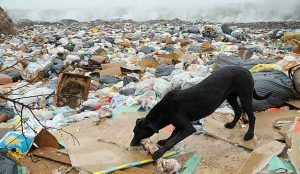
Consequences of environmental inaction regarding the illegal landfill
The case of Fontana and Puerto Tirol exposes a widespread reality in the country: more than 60% of Argentine municipalities still dispose of their waste in open-air landfills. These sites not only degrade the environment but also turn neighboring neighborhoods into hotspots for infectious and respiratory diseases.
The proliferation of vectors such as rats, flies, and mosquitoes, along with spontaneous fires, exacerbates the risks for the population. In dry seasons, the released gases contribute to the greenhouse effect and regional air pollution.
The judicial condemnation thus represents a warning: municipalities will have to assume their environmental responsibility or face exemplary sanctions. The adequate management of waste is not only a legal obligation but an ecological and health urgency that affects the quality of life of the entire community.
The ruling sets a relevant precedent in terms of environmental justice. In a context where waste has become one of the main sources of ecological degradation, the sentence seeks not only to repair a specific damage but also to drive a structural change towards responsible waste management in Chaco and throughout the country.


