



Agroecology in Tres Arroyos is making a strong impact. The Municipality of this town in the Province of Buenos Aires, through its Production and Sustainability Department, confirmed this week its adhesion to the National Network of Agroecological Municipalities (RENAMA).
After completing the administrative procedures this week, the city will now be able to collaborate with other localities to promote public policies that promote and protect agroecology.
Participating in this network will allow designing strategies for the transition towards a sustainable agri-food system that promotes a more harmonious relationship with the environment.
Why does Tres Arroyos bet on agroecology?
In a context where the profitability of producers decreases and soil fertility and biodiversity are affected, agroecology emerges as a new productive paradigm.
This approach seeks to develop self-sufficient agricultural systems, based on natural ecosystem processes and reducing the dependency on external inputs. Additionally, it focuses on social and environmental justice.
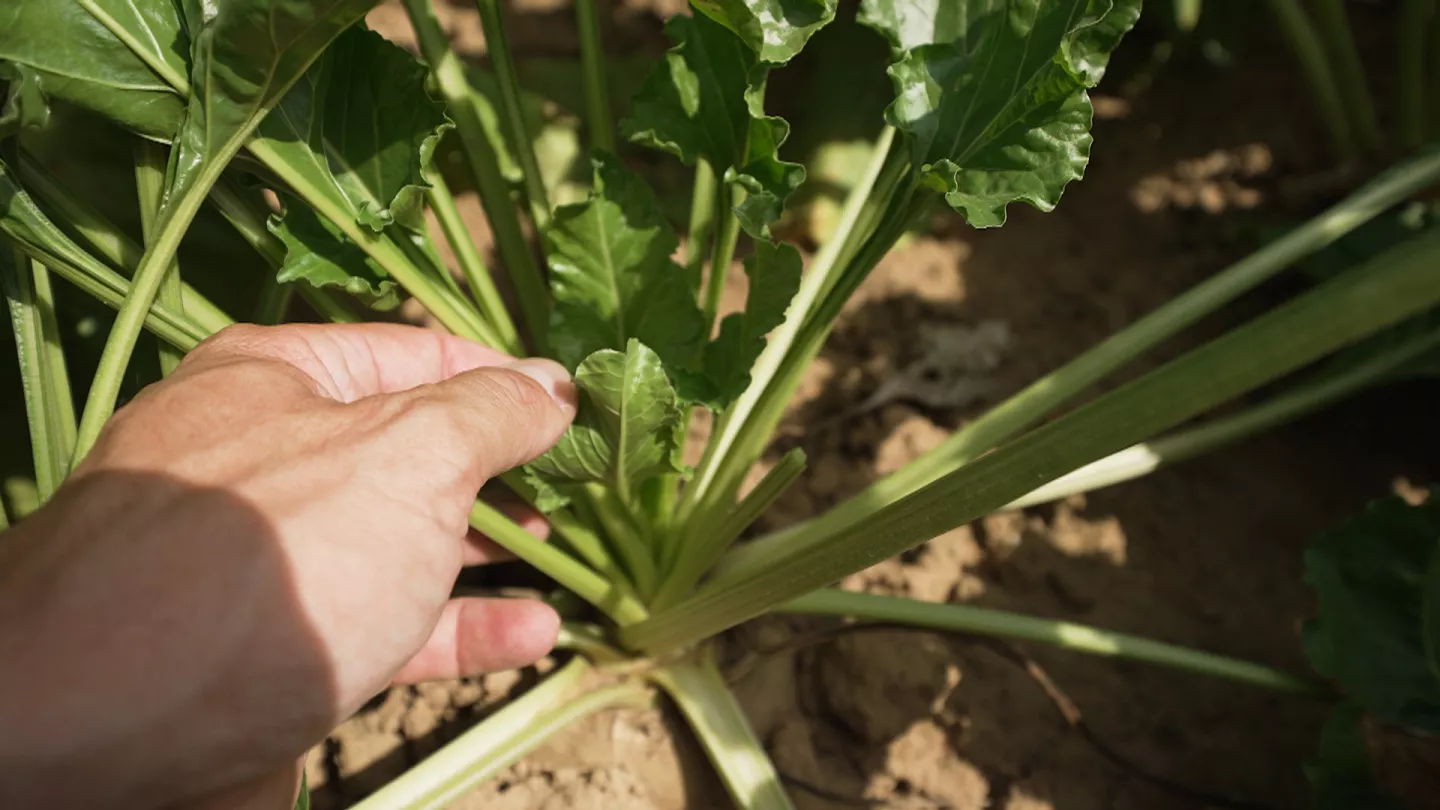 Moving towards a more sustainable agriculture.
Although the 2018 census indicated that only 2% of agricultural establishments in the country adopt forms of biodynamic or organic agriculture, there is a growing interest from thousands of producers in a more sustainable transition. At the same time, millions of people globally demand healthy and quality food.
From the Production and Sustainability Department of Tres Arroyos, they ensure that the municipality has the potential to meet this demand.
“We will promote the necessary strategies to transition along this path, avoiding putting our future productive capacity at risk and even regenerating what has been damaged,” they stated from the department.
“Our municipality has the potential to meet this demand, avoiding putting its future productive capacity at risk and even regenerating what has been damaged,” they added.
What is agroecology and what are its benefits
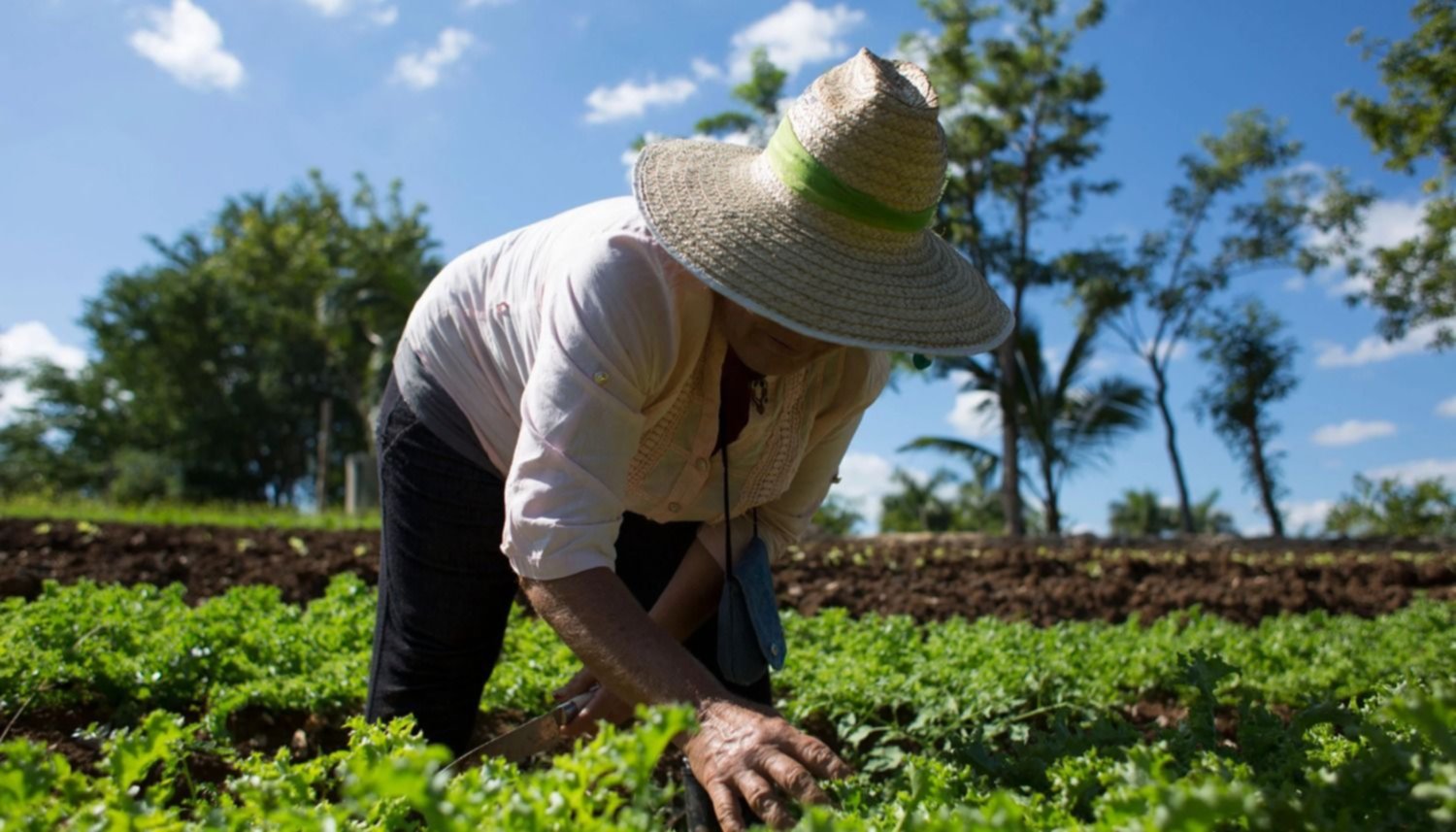 The benefits of agroecological practices.
Agroecology encompasses a comprehensive and multidisciplinary approach that goes beyond a simple set of agricultural techniques.
That’s why it is considered a science, a practice, and a social movement. Its main objective is to optimize interactions among plants, animals, humans, and the environment, to create sustainable and socially equitable agricultural systems.
Unlike conventional agriculture, agroecology promotes the reduction or elimination of external inputs such as synthetic fertilizers, pesticides, and genetically modified organisms. It focuses on practices such as:
- Crop diversification: Crop rotation and intercropping to break pest and disease cycles and improve soil health.
- Nutrient recycling: Use of compost, green manure, and animal integration to maintain soil fertility.
- Soil and water conservation: Techniques that prevent erosion and optimize water resource use.
- Biological control: Use of natural enemies for pest control.



