



Brazil achieved a historic milestone: it has exited the Hunger Map compiled by the Food and Agriculture Organization (FAO) of the United Nations. This marks a positive turning point in the fight against hunger and extreme poverty.
President Luiz Inácio Lula da Silva celebrated the news as a collective victory of the Brazilian people, a result of a strong commitment to comprehensive public policies.
According to the latest report presented by FAO, the country managed to significantly reduce the number of people experiencing undernourishment, thanks to food assistance programs, economic revitalization, and direct support to the most vulnerable populations.
Brazil, returning to the Hunger Map and recovery with Lula’s government
Brazil had already exited the Hunger Map in 2014, during Lula’s previous term, but re-entered it in 2021 as a consequence of the economic crisis, the COVID-19 pandemic, and the weakening of key social programs during the government of Jair Bolsonaro.
In 2022, more than 33 million Brazilians were experiencing hunger, according to official data.
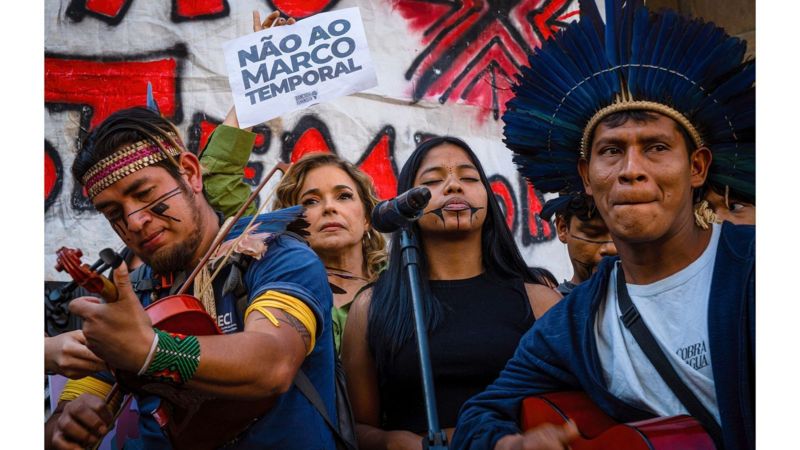 Brazil, out of the Hunger Map: environmental policy.
Since returning to power in January 2023, Lula prioritized the reconstruction of the welfare state, reviving the Bolsa Familia program. He promoted food subsidies, encouraged family farming, and strengthened food security councils that engage with social movements and local governments.
Lula’s plan not only aims to eradicate hunger but also to promote sustainable production and protect the environment.
A key part of the strategy is to promote agroecological family farming, reclaim degraded lands, and link local production with supplying school and community kitchens.
This translates into integrated social and environmental benefits. It combats poverty, improves nutrition, promotes food sovereignty, and halts the advance of intensive agricultural practices that degrade ecosystems, especially in the Amazon region.
A reference model for Latin America
With this new exit from the Hunger Map, Brazil once again positions itself as a model of inclusive and sustainable social policies, with a real impact on the most vulnerable sectors.
FAO and international organizations highlighted that the Brazilian experience can inspire other Latin American countries facing similar challenges.
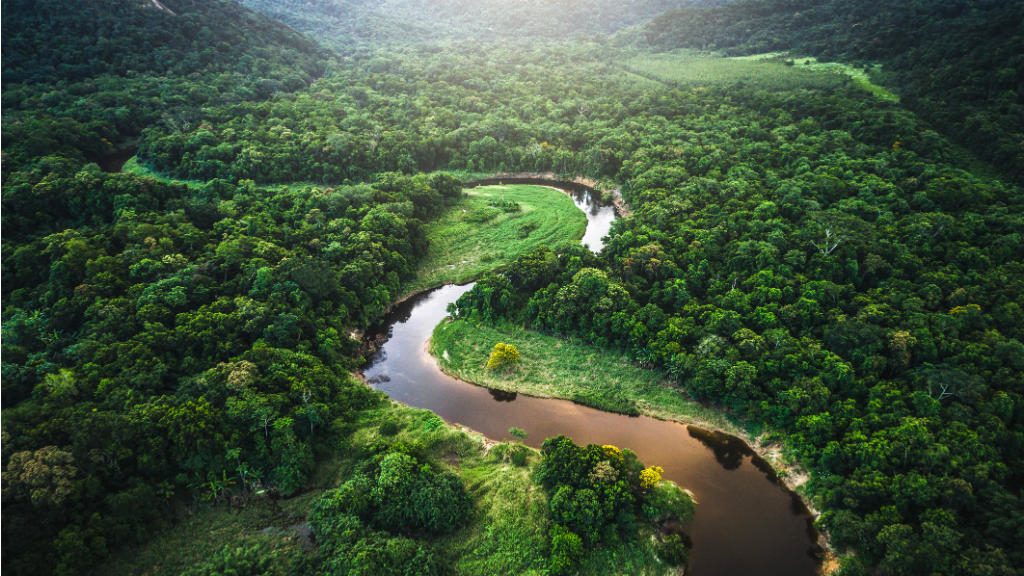 Brazil holds the majority of the Amazon within its territory.
“The fight against hunger is a battle won with political will, social justice, and popular participation,” stated Lula in his speech. He also emphasized that “no one can be happy or free with hunger.”



