



The beginning of autumn marks a period of climatic transition that impacts the respiratory health of many people. During this season, the presence of environmental allergens increases, which can cause annoying symptoms.
Among the most common factors are pollen from certain plants, dust mites, and molds that thrive in humidity. Therefore, the change of season often coincides with an increase in medical consultations for allergies.
Additionally, temperature variations and spending more time in enclosed spaces increase exposure to these agents.
In this context, adopting preventive measures is key to getting through autumn with well-being and reducing allergic reactions.
The most common allergies during autumn
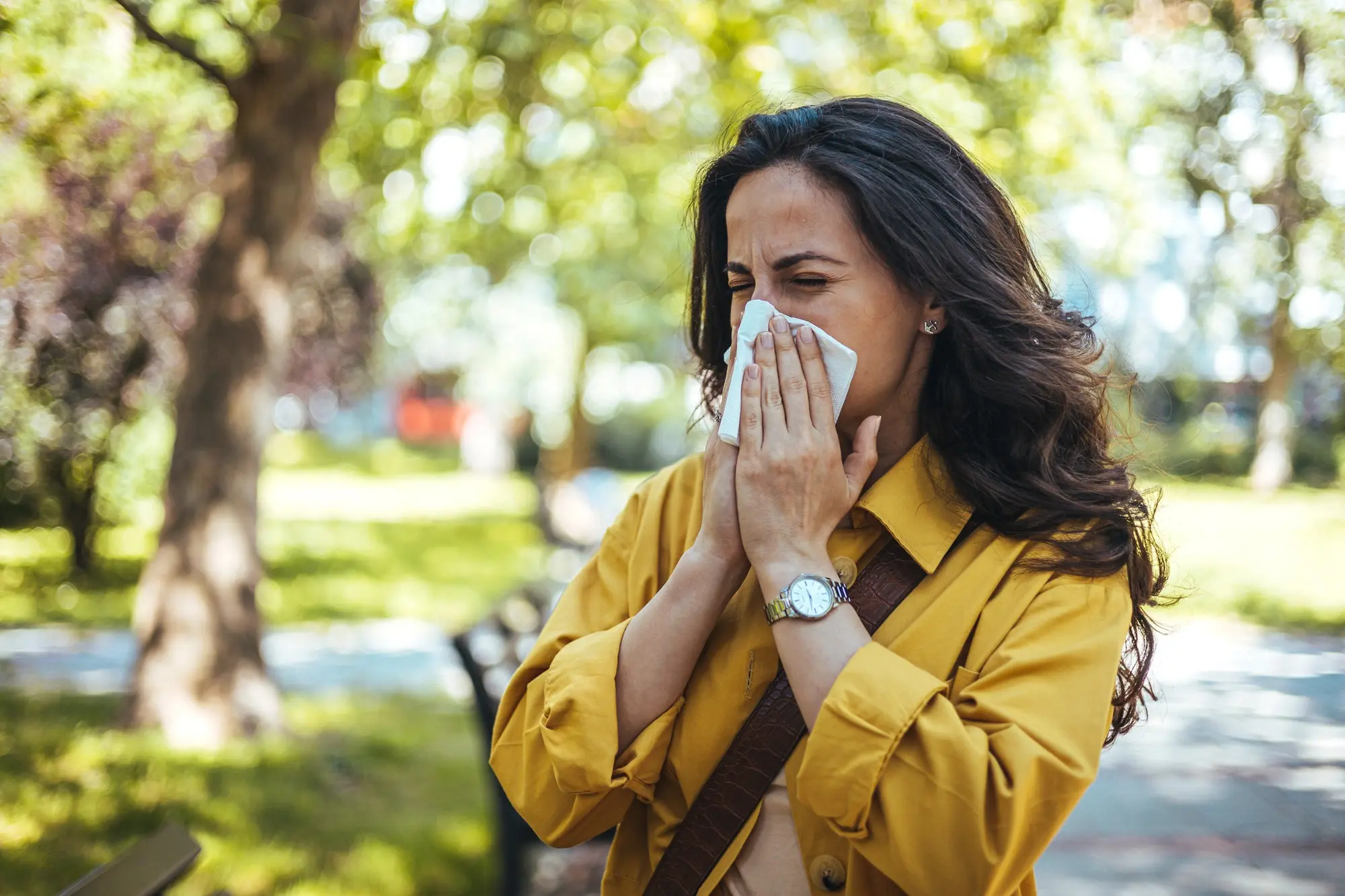
One of the most common conditions during this time is allergic rhinitis, which causes sneezing, nasal congestion, and itching in the nose. This reaction is often triggered by the inhalation of particles present in the air, such as pollen or household dust.
There is also an increase in asthma cases, especially in people who already have respiratory sensitivity. In autumn, dry leaves and humidity promote the growth of microscopic fungi that release spores into the environment.
These particles can irritate the respiratory tract and trigger symptoms such as persistent cough or difficulty breathing. Another common condition is allergic conjunctivitis, which causes redness, tearing, and itching in the eyes.
Therefore, the combination of environmental factors makes autumn a particularly challenging season for those who suffer from allergies.
Environmental factors influencing allergies
The change in temperature and increased humidity directly influence the presence of allergens. During this season, the decomposition of fallen leaves creates ideal conditions for the growth of fungi.
Additionally, the wind can carry spores and dust particles that end up in homes and enclosed spaces.
At the same time, spending more time indoors increases exposure to mites present in carpets, mattresses, and curtains. Urban pollution can also worsen symptoms by irritating the respiratory tract.
Consequently, the environmental surroundings play a central role in the occurrence and the intensity of seasonal allergies.

How to prevent allergies in autumn
Prevention begins with reducing exposure to allergens present in the environment. Ventilating spaces during times of low dust or pollen concentration helps improve indoor air quality.
It is also advisable to frequently clean surfaces, carpets, and textiles where mites tend to accumulate. Another useful measure is washing bedding with hot water to eliminate microscopic particles.
Additionally, keeping dry leaves away from patios and home entrances can reduce the presence of fungi. Those with respiratory allergies should avoid tobacco smoke and other pollutants that irritate the respiratory tract.
In this way, small everyday actions can help reduce symptoms during the season.
Keys to a healthy change of season
Autumn also represents an opportunity to strengthen health habits. Maintaining a balanced diet rich in fruits and vegetables supports the functioning of the immune system.
Adequate hydration helps keep respiratory mucous membranes in good condition and facilitates defense against environmental irritants. Additionally, engaging in moderate physical activity contributes to improving respiratory capacity and overall well-being.
Getting enough sleep and reducing stress can also decrease susceptibility to allergic reactions. Finally, in the presence of persistent symptoms, it is advisable to consult with health professionals to receive appropriate diagnosis and treatment.
With prevention, environmental care, and healthy habits, the change of season can become a period of positive adaptation for the body and everyday well-being.




