



The kingdom of fungi, an interconnected and unexplored network, sustains global ecosystems and offers solutions to environmental and medical crises.
Scientists like the biologist Merlin Sheldrake and teams from the Royal Botanic Gardens, Kew (London) are investigating these organisms, which have survived five mass extinctions over a billion years. Their adaptability could be crucial in facing climate change and pollution.
The underground kingdom
Fungi form microscopic networks called mycelium, which extend thousands of kilometers underground. “They are nature’s most extraordinary chemists,” says Sheldrake.
They release digestive enzymes that break down organic matter, recycling nutrients. 90% of plants depend on them: they exchange sugars for minerals through root symbiosis.
This collaboration creates “wood networks,” where old trees nourish young ones through shared mycelium.
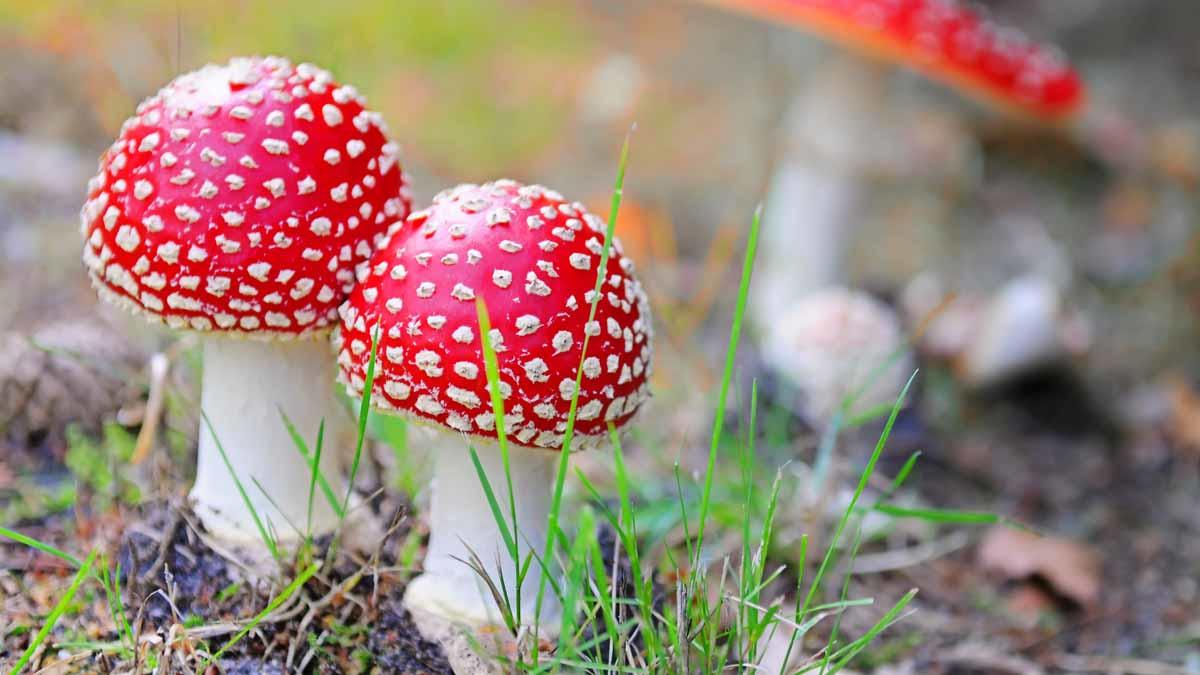
From Tasmania to Yunnan: ancestral biodiversity
In Tarkine (Tasmania), forests with 65-million-year-old mycelium host unknown species. Meanwhile, Yunnan (China) is home to over 6,000 species of fungi.
Biologist Peter Mortimer, from the Kunming Botanical Institute, revealed revolutionary findings: “We discovered four new species that digest plastic.”
These fungi break down sheets in the laboratory, offering a way to reduce 400 million tons of plastic waste annually.
Medicine and materials of the future
Fungi have already saved lives: penicillin fights bacterial infections, while other compounds treat cancer or epilepsy. In New York, the company Ecovative Design innovates with sustainable materials.
“We grow recyclable alternatives to plastic using mycelium,” explains CEO Eben Bayer. Scientist Molly Bolton adds: “They could be used in medical implants and even organs.”

Threats and urgency
Despite their resilience, fungi face deforestation: a soccer field-sized area of forest is lost every two minutes.
These ecosystems absorb 5 billion tons of CO₂ annually. Sheldrake warns: “We are burning the library of life, like Alexandria.”
Their extinction would compromise the water cycle, as fungal spores generate clouds and rain in global forests.
The race to map fungal diversity is vital. With only 5% of known species, each discovery reveals hidden solutions in millenary networks. Protecting them is not optional: it is preserving the foundations of terrestrial life.


