



As part of a comprehensive air quality monitoring plan in Gualeguaychú, the Municipality, through the Environment Subsecretariat, is taking further steps with concrete actions.
It will be the first city in Entre Ríos to implement a plan of this kind, starting with the installation of strategic sensors to measure key indicators.
This historic program will provide precise and ongoing data to protect public health and the environment.
Air Quality in Gualeguaychú: the project and the first step with sensors
Starting on September 21, the municipal government will launch the system by installing six strategic sensors in key locations such as the Industrial Park, Barrio Don Pedro, and downtown.
 Air quality device. (Photo: Gualeguaychú press).[/caption>
The monitoring will be carried out by the Atmospheric Studies Laboratory of INQUINOA (CONICET – UNT) for six months. The campaign’s main objective is to establish a baseline of atmospheric conditions and the most relevant pollutants. The collected data will be used to:
- Detect critical pollution events
- Design preventive and corrective strategies
- Promote public and private policies that encourage change
The plan includes the use of real-time sensors to measure gaseous compounds and particulate matter, complemented with laboratory analysis.
Moreover, among the next steps, they will install a high-precision automatic weather station. This station will record climatic parameters, providing reliable and valuable information for environmental management and urban planning in the city.
The importance of air quality and the relationship between pollution and lung cancer
Lung cancer is the leading cause of incidence and mortality from this disease worldwide. In recent years, subtype patterns have changed significantly, and a relationship between air pollution and this condition has been demonstrated.
In 2022, 2.5 million cases of lung cancer were diagnosed, corresponding to an annual incidence rate of 23.6 cases per 100,000 people.
According to the Agency, a part of the World Health Organization (WHO), the patterns of this type of cancer have changed significantly in recent decades.
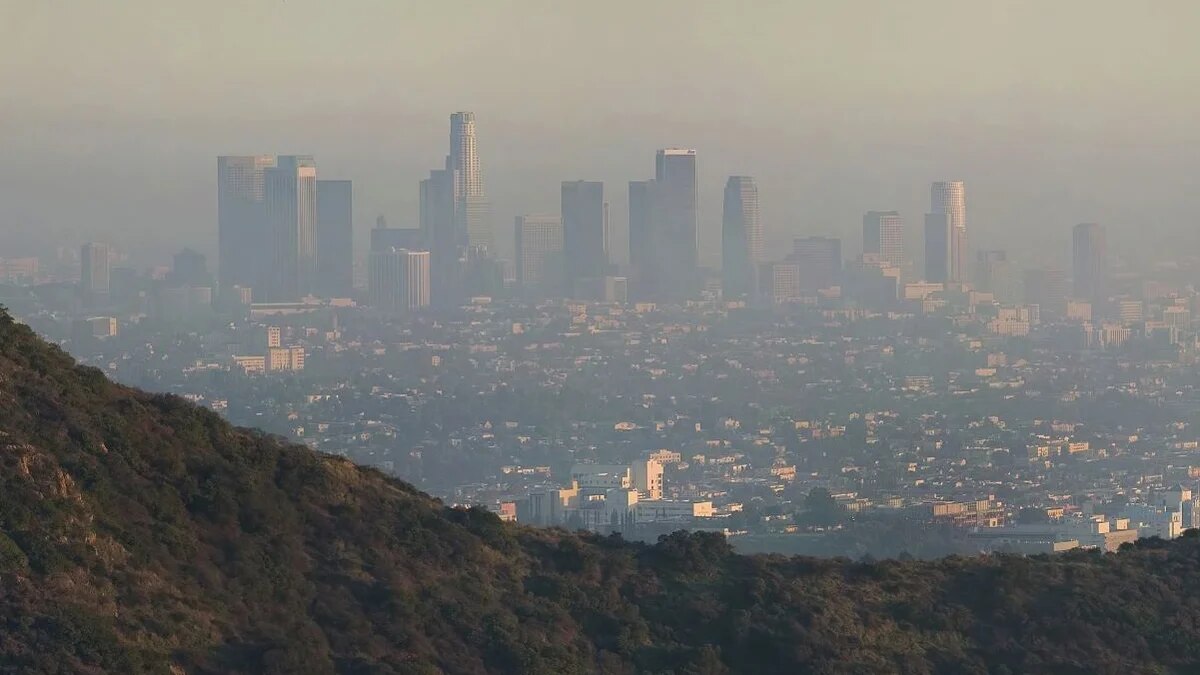 The importance of measuring air quality.
The entity explained that changes in cigarette manufacturing and tobacco consumption patterns over the past few decades have influenced lung cancer incidence trends by subtype.
Moreover, there is increasing evidence of a causal link between environmental pollution from particulate matter and a higher risk of adenocarcinoma.


