



With the arrival of **spring**, **respiratory allergies** once again take center stage in public conversation.
The **high concentration of [pollen in the air](https://noticiasambientales.com/ciencia/investigacion-revela-los-impactos-ecologicos-del-polen-de-pino-en-la-patagonia/)**, especially from the **London plane tree**, can trigger **immune reactions** in sensitive individuals, affecting their **quality of life**.
It is estimated that **one in four people** experience allergic symptoms during this season.
## What is respiratory allergy and how does it manifest?
An exaggerated response of the immune system to **harmless environmental agents**.
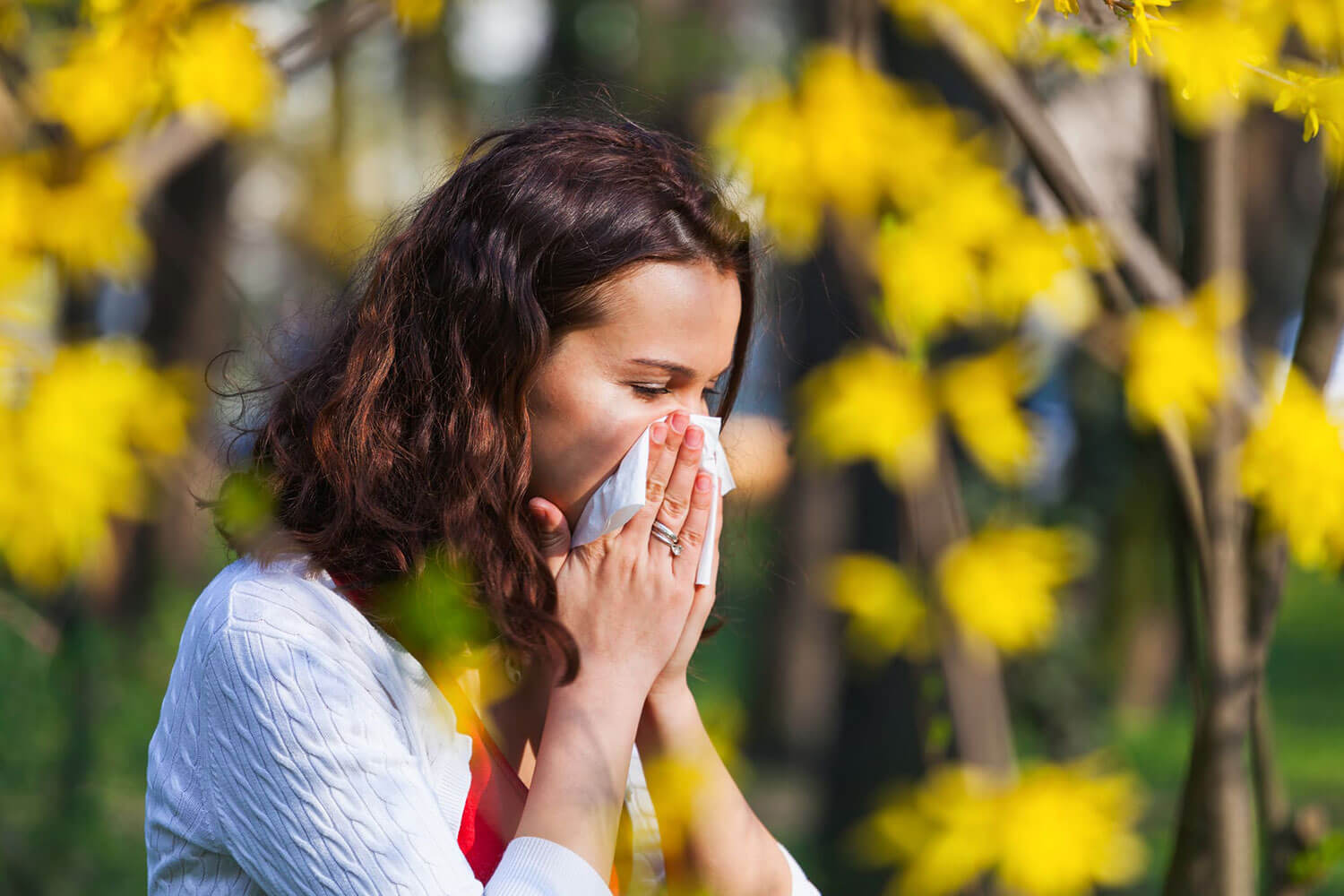
Respiratory allergy is the body’s reaction to **elements present in the air**, such as pollen, which are **harmless to most people**. This response generates symptoms such as:
– **Allergic conjunctivitis**: itchy eyes, redness, and tearing
– **Rhinitis**: nasal congestion, sneezing, mucus, and itching
– **Allergic asthma**: difficulty breathing, dry cough, and wheezing
“Exposure to pollen can cause symptoms similar to a cold, but with an immunological basis,” explains **Dr. Joan Bartra**, a specialist in Pulmonology and Respiratory Allergy at the Clínic Hospital.
## Diagnosis and prevention: keys to reduce the impact
Identifying the triggering agent and minimizing environmental exposure.
**Prevention** begins with an accurate **diagnosis**, which allows knowing what type of pollen one is sensitive to. Once identified, it is recommended to:
– Use **masks and sunglasses** to reduce contact with pollen
– Avoid outdoor activities during **high pollen times**
– Keep windows closed at home and in the car
– Check the **local pollen calendar** to anticipate critical days
– Shower and change clothes when returning home to remove adhered particles
## Available treatments: personalized relief according to each case
**Effective medications** to control symptoms without affecting the pace of life.
The most commonly used treatments include:
– **Second-generation antihistamines**: relieve symptoms without causing drowsiness
– **Topical nasal corticosteroids**: act locally and have few side effects
– **Nasal decongestants**: useful in specific cases, but should be used with caution
It is essential to **follow medical instructions** and avoid self-medication, as each patient requires a **personalized approach**.
## Allergies: multifactorial origin and onset at any stage of life
Allergies are not innate. They can **manifest at any time**, from childhood to adulthood. Although there is a **hereditary component**, **environmental factors** such as pollution and prolonged exposure to allergens also play a role.
“Allergy is the result of multiple interacting factors, not a single cause,” experts point out.




