



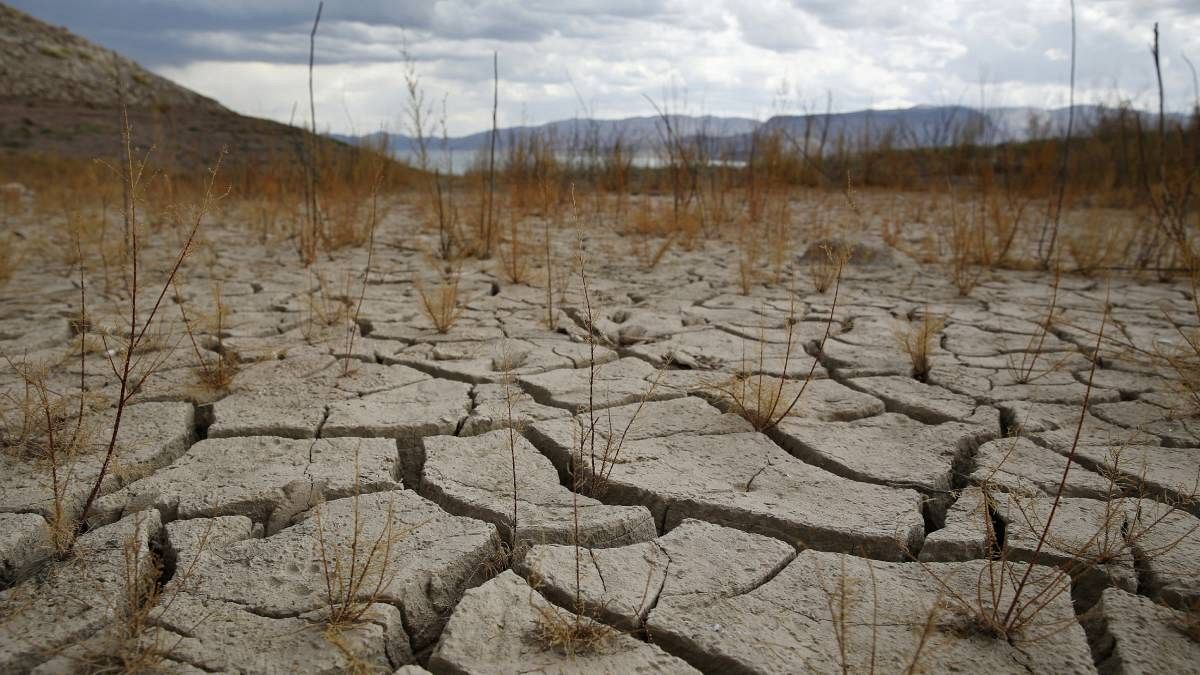
The Food and Agriculture Organization of the United Nations (FAO) presented its annual report in Rome, revealing that around 1700 million people live in regions where agricultural yields are decreasing due to land degradation induced by humans.
The document describes this situation as a persistent and silent crisis, with direct impacts on agricultural productivity, ecosystem health, and global food security.
A crisis that transcends the environmental
The report emphasizes that land degradation is not only an ecological problem but also a challenge for rural livelihoods and sustainable development.
The loss of agricultural productivity intertwines with poverty, hunger, and malnutrition, especially affecting vulnerable communities.
“Sustainable land management requires enabling environments that encourage long-term investment, innovation, and shared responsibility,” stated QU Dongyu, Director-General of the FAO.
Global and regional impact
The study estimates that degradation has reduced crop yields by at least 10% in vast areas of the planet, with Asia being the most affected region due to its high population density and accumulated degradation debt.
However, the report presents a hopeful scenario: restoring just 10% of degraded lands could produce enough food for 154 million people each year.
Main causes of degradation
The FAO points out that land degradation results from a combination of natural and human factors, with the latter becoming increasingly dominant:
- Deforestation.
- Overgrazing.
- Unsustainable agricultural practices.
- Inadequate irrigation and soil salinization.
These activities reduce the soil’s ability to produce food, causing erosion, compaction, and nutrient loss.
Effects on agriculture
- Yield reduction: up to 50% less production on degraded soils.
- Lower crop quality: smaller, deformed, and less nutritious products.
- Increased costs: need to apply amendments and corrective techniques.
- Loss of fertility: nutrient depletion and limitation of root development.
Impact on farmers and communities
Soil degradation directly affects farmers, especially smallholders:
- Income loss: lower yield means fewer economic resources.
- Food insecurity: more vulnerable rural communities dependent on external aid.
Consequences beyond agriculture
The impact of degradation transcends the agricultural sphere:
- Increased risk of natural disasters: landslides and floods.
- Water degradation: sediments and nutrients contaminate water bodies.
- Loss of biodiversity: reduction of species in soils and aquatic ecosystems.
Strategies to reverse the crisis
The report proposes sustainable and integrated land management, with policies adapted to each agricultural context. Among the suggested measures:
- Restoration of degraded soils.
- Climate-resilient agricultural practices.
- Investment in innovation and sustainable technologies.
- Shared responsibility among governments, farmers, and civil society.
Conclusion: an urgent call to action
The FAO warns that land degradation is a silent but devastating threat to global food security. Restoring and protecting soils not only increases agricultural production but also strengthens rural livelihoods and contributes to sustainable development.
The challenge is clear: countries must act immediately and in a coordinated manner to prevent the soil crisis from becoming an irreversible obstacle to feeding future generations.


