



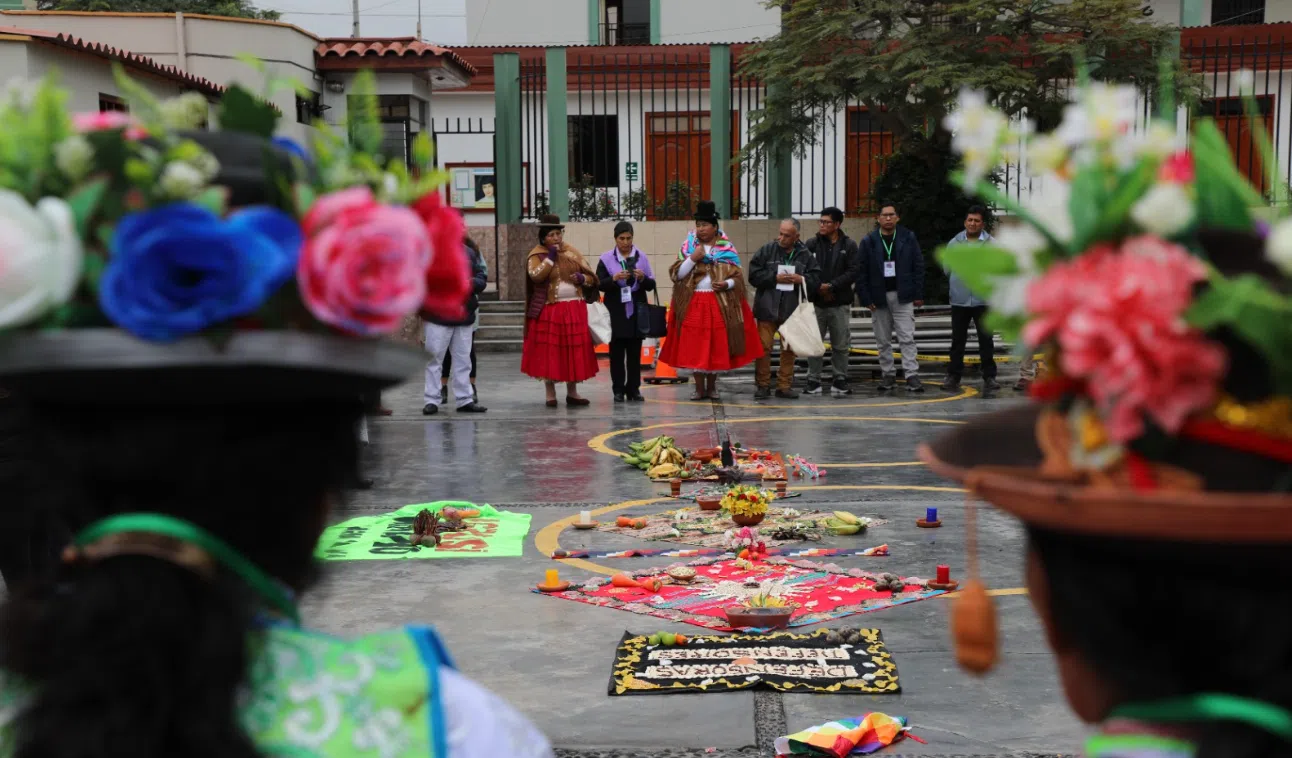
The International Meeting of Human Rights and Environmental Defenders takes place on May 27 and 28 in Lima, bringing together activists from Peru, Colombia, Brazil, Bolivia, Ecuador, and Chile.
The objective is to articulate strategies against pollution and, at the same time, against the criminalization and threats faced by those who defend water, territories, and community rights.
The event’s organization emphasized: “Being an environmental defender in Latin America is not only about defending the river or the forests, it’s about defending the future of everyone”.
High-risk context
Latin America accounts for 82% of environmental defender murders worldwide, according to Global Witness (2024). The main risks include:
- Extractive projects: mining, oil, and illegal logging.
- Illicit economies: drug trafficking and illegal mining.
- Criminalization and stigmatization: judicial persecution and direct threats.
- Lack of state protection: insufficient mechanisms to ensure safety.
In Peru, the Intersectoral Mechanism for the Protection of Human Rights Defenders created in 2021 remains limited: only 10 of the 36 defenders who requested measures managed to access them, while 18 indigenous leaders have been killed since its implementation.
Pillars of defenders’ work
- Guardians of ecosystems: they protect forests, water sources, and biodiversity.
- Defense of human rights: they safeguard livelihoods and indigenous cultures against extractivism.
- Climate action: they are the first line of defense against climate change.
- Environmental democracy: they promote public policies and the implementation of the Escazú Agreement, which obliges States to ensure safe environments for their activity.
Strategies of the meeting
The space in Lima seeks to:
- Strengthen the collective protection of defenders.
- Promote public and international advocacy.
- Evaluate new regional challenges.
- Demand the active role of States in ensuring safe conditions.
A complex regional context
In countries like Colombia and Brazil, environmental defenders face threats linked to the expansion of the agricultural frontier, the advance of illegal mining, and the violence of armed groups. In Bolivia and Ecuador, conflicts revolve around extractive projects in indigenous territories, while in Chile tensions are related to the exploitation of water resources and the expansion of the forestry industry.
Regional articulation allows for the sharing of experiences and the construction of common strategies, recognizing that problems transcend borders and require collective responses.
Importance of their work
Environmental defenders are fundamental pillars for the preservation of ecosystems and the survival of communities in Latin America. Their work protects vital natural resources and the global climate future. Additionally, their actions strengthen environmental democracy and citizen participation, raising awareness of the need for more sustainable development models.
The meeting in Lima represents a key step in articulating regional strategies and consolidating the defense of the environment and human rights in high-risk contexts. The work of environmental defenders is vital to confronting the climate crisis, preserving biodiversity, and ensuring the survival of local and indigenous communities.
In a continent where criminalization and violence are frequent, their resistance and regional articulation become a symbol of hope and an indispensable tool for environmental justice.



