



The Gramma tortoise, a long-lived female from the Galápagos Islands, died on November 20 last year at the age of 141 at the San Diego Zoo, California.
This emblematic specimen arrived at the institution between 1928 and 1931 as part of the first group of Galápagos tortoises in the park. During that period, this iconic zoo specimen began to be known as the famous “Gramma tortoise”.
Her departure moved thousands of visitors who had known her for decades. Indeed, for many, the connection with the Gramma tortoise was unforgettable.
The inhabitants of San Diego mourned the death of one of their most beloved residents. Indeed, the news of the farewell to the tortoise named Gramma united the city in its grief.
The Gramma tortoise had been there for a hundred years and witnessed the gazes of children who, five decades later, returned to see her with their grandchildren and children.
“The legendary legacy of the Gramma tortoise at the zoo spans almost the entire history of the institution itself,” the zoo noted in an Instagram post.
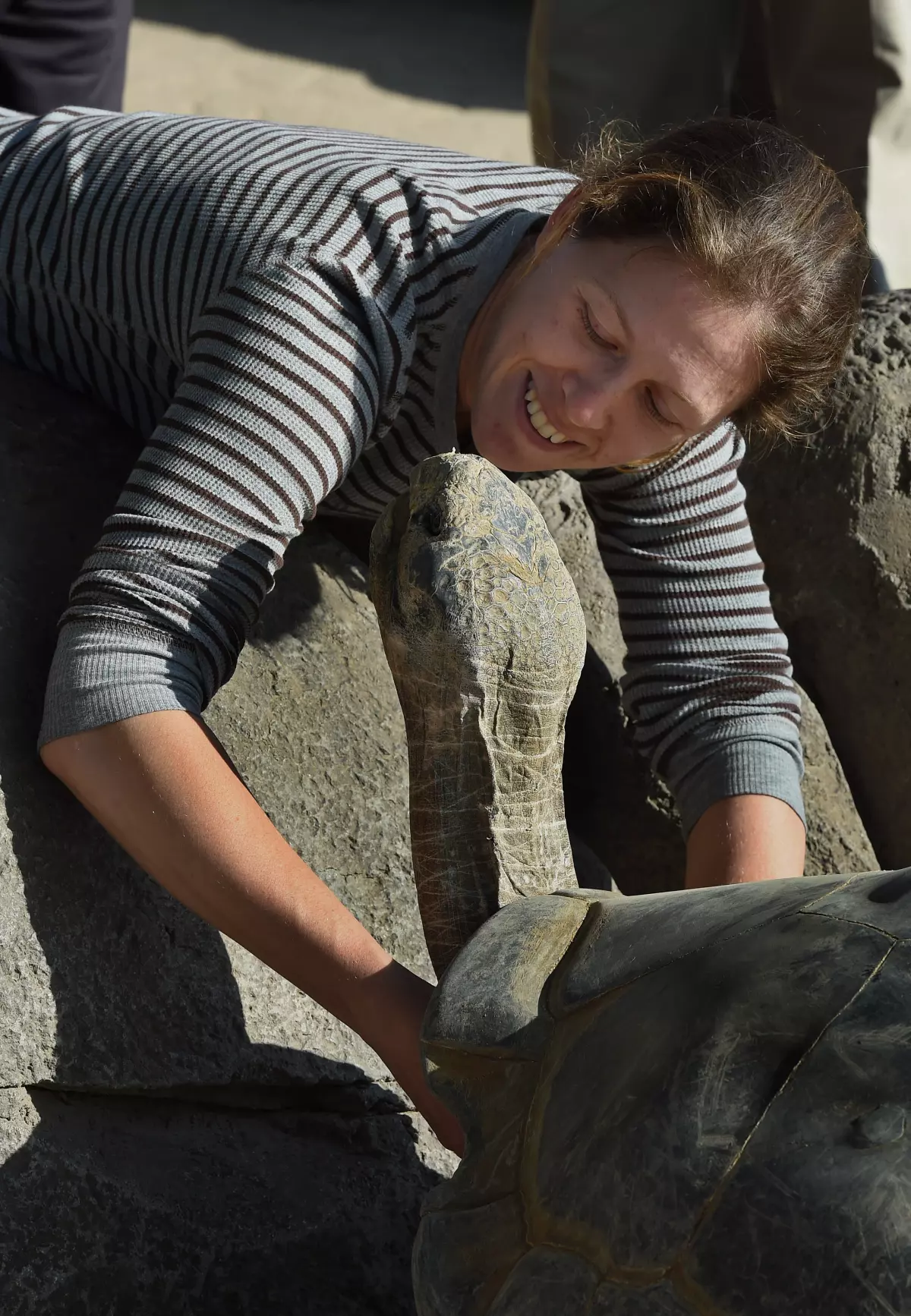
The Gramma tortoise, witness to generations and cultural changes
Visitors shared stories about the charming tortoise. “There are no words. She is unique. It is an honor to have known her,” wrote a user on social media.
A man recalled: “When I was a child, in the 60s, I rode on her shell at the children’s zoo, when that behavior was acceptable and promoted by the San Diego Zoo.”
The visitor added that he cried when the ride ended. He shed tears of joy as an adult when human access was no longer allowed.
“She enjoyed a very long and comfortable life over the last 50 years,” he recalled about the Gramma tortoise.
An invaluable scientific legacy
The Gramma tortoise was the protagonist of an extensive report by Mongabay, a platform dedicated to conservation and environmental sciences.
Her story illustrated the extraordinary resilience of this species, capable of living over a hundred years thanks to unique biology. Indeed, the tortoise known as Gramma inspired scientists worldwide.
For decades, this specimen was part of monitoring programs that assessed her health, behavior, and adaptation to the environment. Thus, the study of the Gramma tortoise enriched the knowledge about animal longevity.
Her slow progress and diet based on local vegetation were fundamental records to understand how these animals manage to survive so long.
The biological factors explaining the longevity of these tortoises include:
- Slow metabolism that reduces cellular wear
- Ability to store large amounts of water
- Robust immune system and resistance to diseases
- Physiology adapted to extreme scenarios of dehydration and scarcity
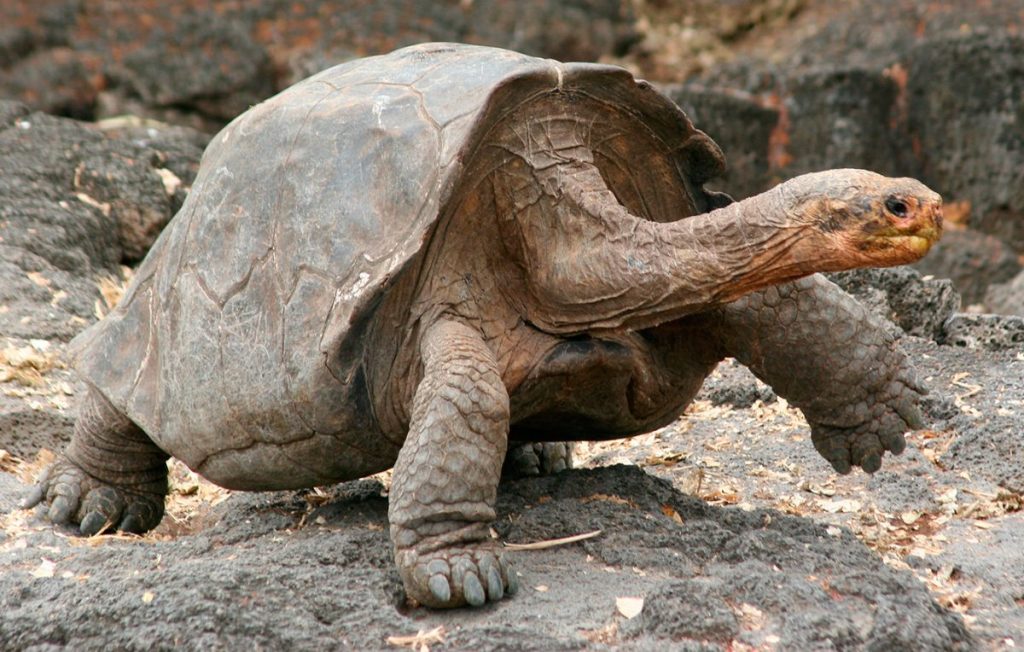
For researchers, the behavior of Gramma served as a valuable environmental indicator. In fact, the information provided by the Gramma tortoise helped identify ecosystem changes.
Throughout her years of life, she allowed for the evaluation of ecosystem changes and variations in the availability of natural resources.
Due to their extensive lifespan, these animals are considered by experts as true historical records of the state of the environment.
Conservation: a permanent task
Conservation programs in the area achieved, during the lifetime of this specimen, encouraging steps: from the control of invasive species to the recovery of degraded areas. Thanks to the survival example of the Gramma tortoise, environmental awareness was reinforced.
However, these tortoises remain vulnerable to the introduction of invasive species, such as rats and goats, which compete for food or destroy key vegetation.
The story of the Gramma tortoise reminds us of the importance of preserving their habitat in the face of threats such as human activity and climate change.
Her existence symbolized the natural wealth that fascinated the entire world. Nonetheless, today the challenge remains to conserve unique species like the Gramma tortoise for the future.
The legacy of Gramma continues to drive the mission to safeguard the home of future generations in the Galápagos Islands.



