



The publishing conglomerate Condé Nast, responsible for iconic magazines such as Vogue, GQ, and Vanity Fair, announced that its content will no longer include new animal fur in editorial and advertising productions. The measure, celebrated by environmental organizations, reflects a profound change in the fashion industry towards more ethical and sustainable practices.
The new policy establishes exceptions only for reused fur or fur from indigenous communities, in order to respect cultural traditions without promoting global animal trade. This commitment adds to a growing trend in the international fashion world, where major brands and media are starting to distance themselves from animal-derived materials.
The decision comes after years of pressure from activists and consumers demanding transparency and ecological responsibility in a sector historically associated with animal suffering and pollution. In a context of climate change and environmental awareness, the fashion industry is seeking to reinvent itself to reduce its ecological footprint.
With this resolution, Condé Nast joins other media outlets like ELLE and InStyle, which had already adopted similar policies. This gesture, more than symbolic, redefines what “luxury” means in an era where empathy and sustainability are gaining ground over extravagance and animal exploitation.

A more conscious and sustainable fashion
The progress of these policies shows that fashion is changing its paradigm. Brands and media outlets that abandon the use of fur are sending a clear message: luxury can be compatible with environmental ethics. The trend is moving towards plant-based, recycled, or lab-developed materials capable of reproducing the texture and quality of fur without causing animal harm.
The challenge, however, lies in ensuring that these alternatives maintain low levels of environmental impact and promote a chain of responsible production. The transition also involves rethinking consumption: prioritizing durability, recycling, and fair trade over fast fashion.
In this new scenario, Condé Nast’s gesture not only marks an editorial change but a cultural one. Fashion, which for decades was a symbol of status at any cost, is beginning to look at the planet as its main runway.
The global wave against fur fashion
More and more countries and cities are legislating against the use, sale, or production of animal fur. Italy, Norway, the United Kingdom, and the Netherlands are among the pioneers in banning fur farms, promoting a transition to synthetic or recycled materials. In France and Ireland, laws already establish the gradual closure of these types of farms.
In America, California became the first state in the United States to ban the sale and manufacturing of products with real fur, while cities like São Paulo, Los Angeles, and New York are advancing similar regulations. In Israel, the measure is even broader: since 2021, the country prohibits the import and commercialization of fur for fashion purposes, becoming the first in the world to do so at a national level.
These regulations not only respond to an ethical concern but also an environmental one. Fur production entails a high ecological cost, due to the use of toxic chemicals in tanning and the emission of polluting gases. By eliminating this practice, governments aim to reduce pollution and promote alternatives based on textile innovation and recycling.
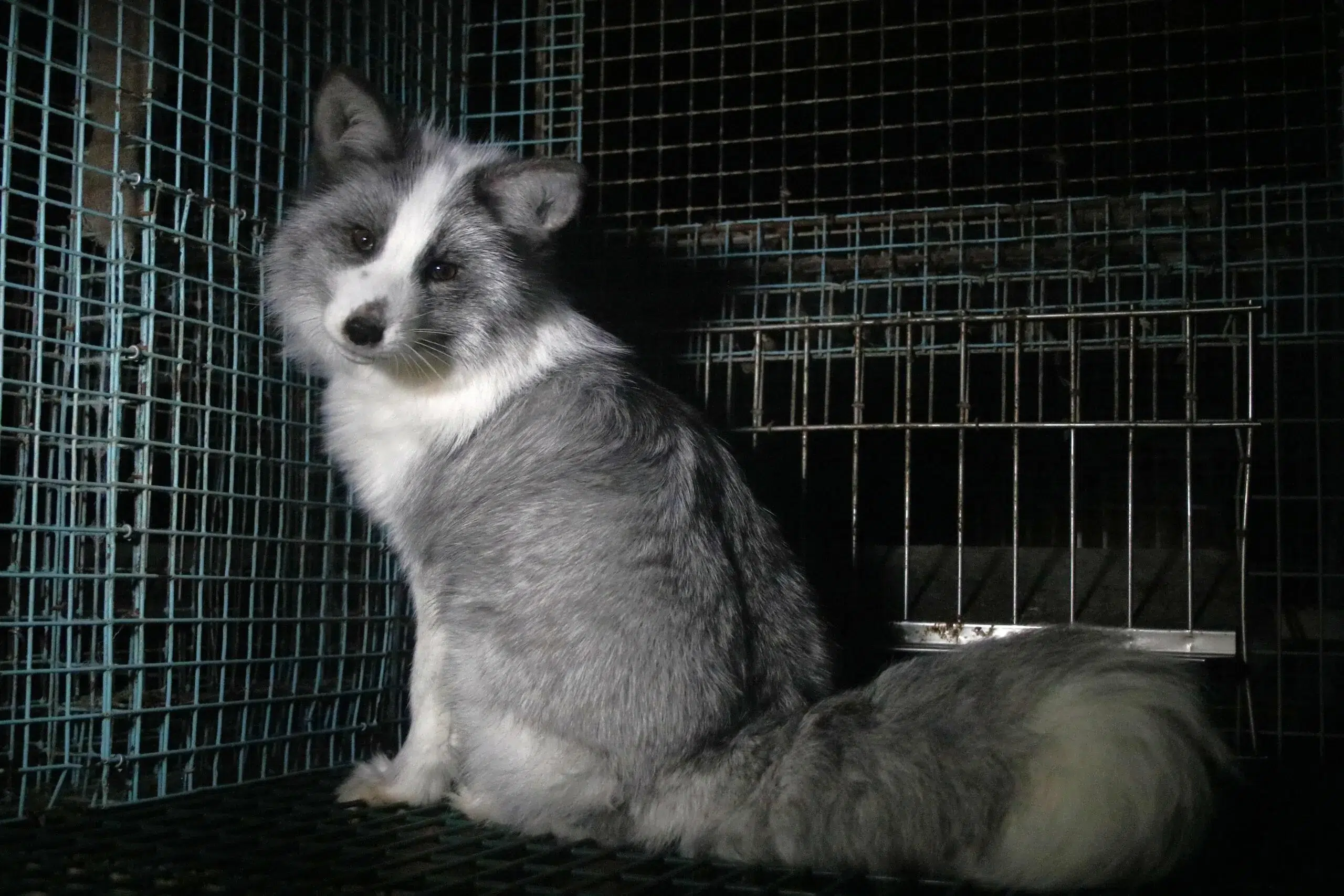
In Argentina, is it allowed?
In Argentina, the use of fur is prohibited depending on the type of animal and the circumstances, as the use of fur from domestic animals is allowed. However, the commercialization and use of fur from wildlife is prohibited unless a special authorization is obtained.
The main law regulating the use of fur in Argentina is Law No. 22,421 on Wildlife Conservation, which declares the protection, conservation, and rational use of wildlife to be of public interest. It also prohibits hunting, capturing, and transforming wild animals and their products without permission, and establishes a framework for wildlife conservation and rational use.
Law No. 14,346 is also applied, which prohibits mistreatment and cruelty to animals, applying to all animals, including those used for obtaining fur. Both laws, along with provincial regulations and specific rules, control the hunting, trade, and transformation of wildlife and its products, including fur.



