



The Urugua‑í Wildlife Reserve, located in Misiones, achieved an environmental milestone: it operates completely with solar energy.
This milestone was reached this month, after the installation of 12 photovoltaic panels that replaced the previous diesel generator.
Transition to Solar Energy
This project is in line with the sustainability principles promoted by the Argentine Wildlife Foundation, which recently installed the solar panels to supply energy to the facilities.
The place is used by conservationists and researchers in the protected area.
Previously, the reserve relied almost exclusively on a fuel generator. Now, the photovoltaic system provides clean energy and significantly reduces CO2 emissions.
Ecological and Social Importance
The Urugua‑í Reserve protects around 3243 hectares of Misiones jungle and the middle course of the Urugua‑í Stream. It harbors endangered species such as tapir, jaguar, and yacutinga, while also serving as a center for environmental research and education.
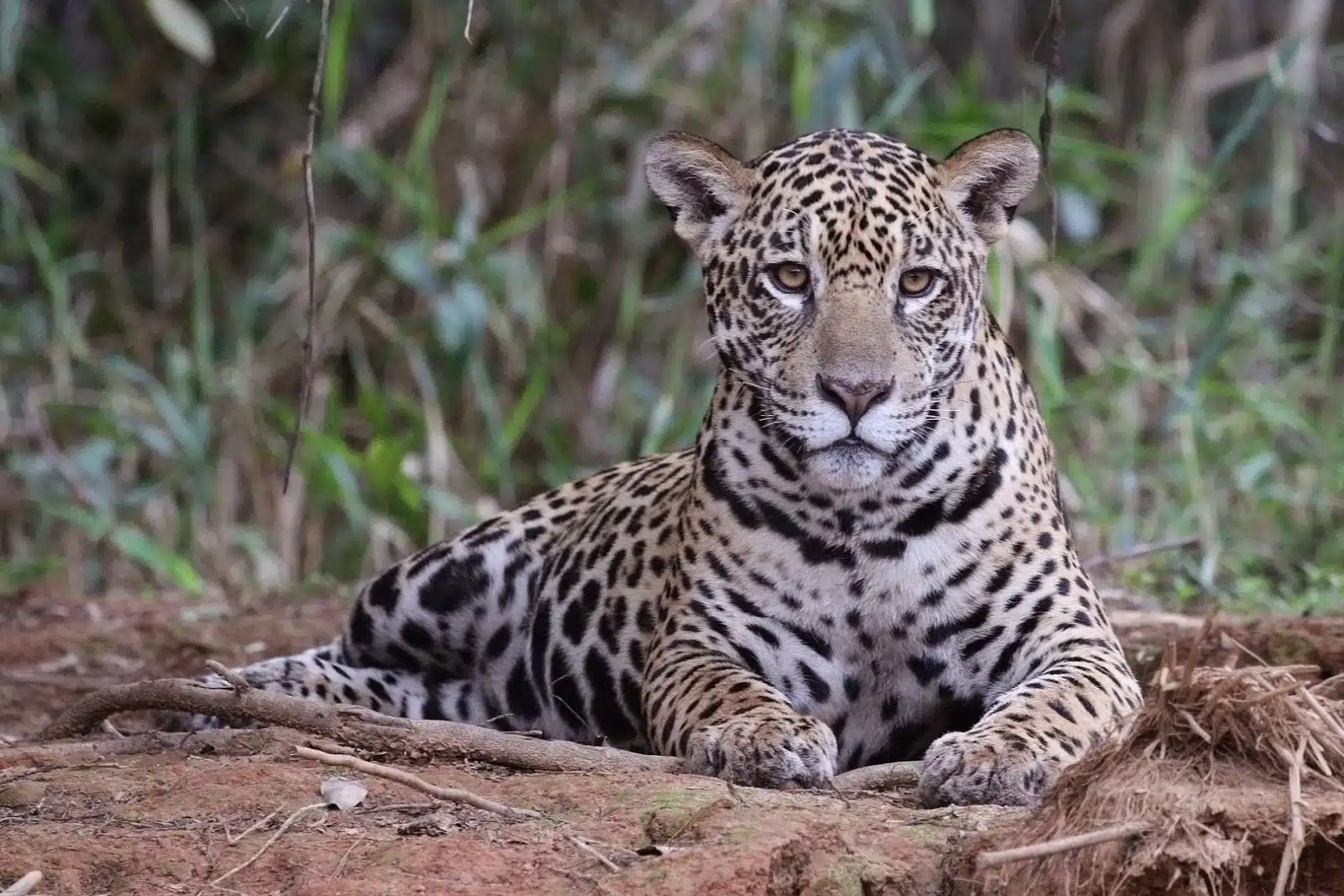 The reserve hosts endangered species.
The adoption of solar energy not only supports biodiversity conservation, but also reinforces the institutional message of:
-
Mitigating climate change
-
Protecting protected areas
-
Promoting sustainable practices in environmental entities
Impact and Replicability
The main direct impact is the reduction of emissions. Eliminating the use of the generator means lower greenhouse gas emissions.
This case also serves as an institutional example, as its management model combines ecosystem conservation with energy transition, being a potential pilot plan for other reserves.
About the Reserve
The Urugua‑í Reserve was created in 1997. It preserves 3243 hectares of Misiones jungle, the flora and fauna that inhabit it, and protects the middle course of the Urugua-í Stream.
“We contribute to the conservation of a very important landscape for populations of endangered animals like the jaguar, the tapir, and the yacutinga, along with other provincial and private protected areas,” they explain on the reserve’s website.

“We protect a key stretch of the stream that is beneficial for people as it provides water for the population, crops, recreation, and energy generation,” they describe.
It is a space to generate knowledge and train individuals for the study and conservation of the Misiones Jungle. “Its purchase and creation were carried out jointly with the company Arauco Argentina S. A. and is managed by the Argentine Wildlife Foundation,” they clarified.
The reserve was created to preserve an important section of the middle basin of the homonymous stream, a sector that had been excluded in the design of the Urugua-í Provincial Park, and a portion of the natural landscape.
They were established as a model of a protected natural area by promoting research activities, training of human resources, and community outreach.



