



For the first time, the European Union generated more electricity with solar and wind than with fossil fuels. The report from the energy studies center Ember confirms that in 2025 renewables produced almost half of the EU’s electricity, despite the decline in hydroelectric power and increased use of gas.
Wind and solar contributed a record 30% of European electricity, surpassing fossils by just one percentage point.
This progress marks a turning point in the transition to clean energy, although experts warn that the still outdated European power grid limits the speed of progress.
Coal in Retreat
Coal continues its decline: its generation fell to a historic low of 9.2%. In 19 EU countries, electricity from coal already accounts for less than 5% of the total. Over the last decade, the decline in coal was not offset by an equivalent increase in gas or other fossils.
However, in 2025 gas generation increased by 8% compared to 2024, due to the lower performance of hydroelectric power (-12%), affected by the lack of rainfall. This raised the European electricity sector’s gas import bill to 32 billion euros, 16% more than the previous year, and drove up wholesale prices in 21 member states.
Differences Between Countries
Although solar and wind surpassed fossils in the EU as a whole, this only happened in 14 of the 27 member states. For the first time, Netherlands and Croatia were among them.
In contrast, countries like Estonia, Bulgaria, Greece, Ireland, Slovenia, Latvia, Romania, Slovakia, Italy, Czech Republic, Poland, Cyprus, and Malta still rely more on fossils. However, the report notes that Greece, Bulgaria, and Slovenia are close to the turning point thanks to strong solar growth.
Sweden has long led the renewable push, producing more electricity with solar and wind than with fossils since 2010. Luxembourg reached that milestone in 2017, Finland and Lithuania in 2022, while Portugal, Spain, Austria, France, and Belgium achieved it in 2023. Hungary and Germany crossed that threshold in 2024.
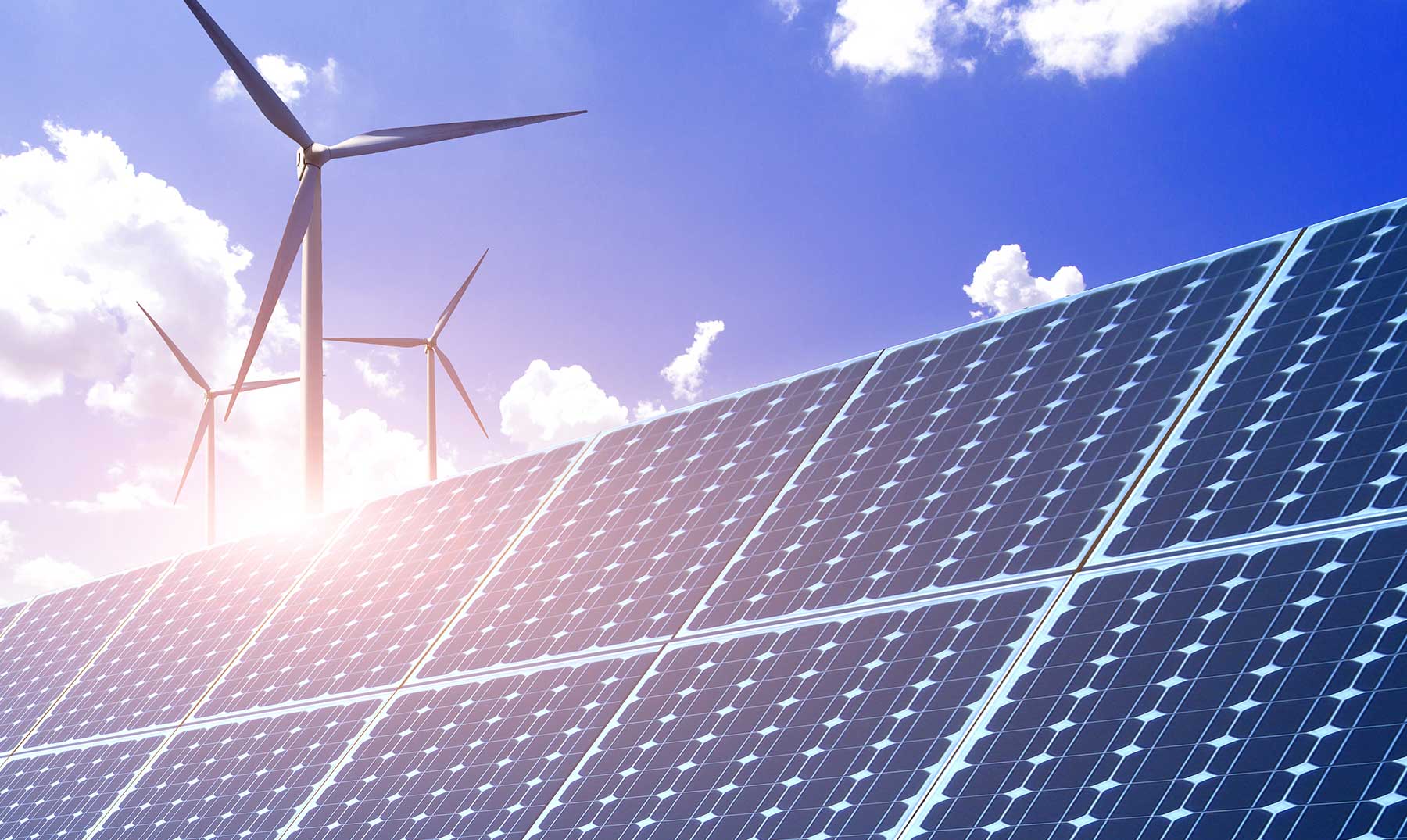
Benefits of Solar and Wind Energy
Solar and wind energy are fundamental pillars of the energy transition:
- Environmental sustainability: they replace coal, oil, and gas, preventing polluting emissions and greenhouse gases.
- Inexhaustible and local resources: the sun and wind are free and local, reducing dependence on energy imports.
- Economic competitiveness: increasingly cheaper than conventional sources, they drive green jobs in manufacturing, installation, and maintenance.
- Specific benefits:
-
- Wind: ideal for large-scale production, supplying cities and industries.
- Solar: versatile and resilient, allowing decentralized solutions in homes and thermal applications.
Additionally, both technologies require very little water to operate, protecting water resources compared to conventional plants.
The record reached in 2025 confirms that the European energy transition is advancing strongly, although it faces challenges such as modernizing the grid and reducing gas dependency.
Solar and wind are not only key to combating climate change but also to ensuring energy sovereignty, economic competitiveness, and a cleaner future.



