



At an official side event organized by the World Federation for Animals (WFA) at the COP30 in Belém, Brazil, Ambassador Tadeous T. Chifamba, on behalf of Zimbabwe’s Minister of Environment, Climate and Wildlife, Dr. Evelyn Ndlovu, announced that African leaders have agreed to lay the groundwork for a Global Declaration on Wildlife for Climate Action, which will be presented at COP31 next year.
The announcement was supported by Ambassador Lamin B. Dibba, Permanent Representative of Gambia to the UN, on behalf of the Minister of Environment, Climate Change and Natural Resources, Rohey John Manjang.
Political Commitment from the African Union
Support for this initiative was agreed upon at the inaugural African Union summit on biodiversity, held in Botswana in November, where Heads of State adopted the Gaborone Declaration of African Leaders on Biodiversity.
In paragraph 44, the leaders committed to:
“Support the Wildlife Agenda and Declaration for Climate Action and call on the rest of the world to support Africa and its wildlife resources in this cause.”
This commitment reflects the growing recognition that protecting wildlife and restoring habitats is a cost-effective and nature-based solution to address climate change, directly supporting the goals of the Paris Agreement.
The Role of Fauna in Climate Action
Wild animals play essential roles in ecosystem resilience and natural carbon sequestration:
- Elephants, antelopes, and large herbivores: disperse seeds, regenerate forests, and maintain grasslands that sequester carbon in soils.
- Marine species and fish: support blue carbon ecosystems in mangroves and coastal wetlands, which protect coasts and store carbon.
- Termites: create mounds that extract nutrients and water, allowing the establishment of tree species and the formation of resilient habitats.
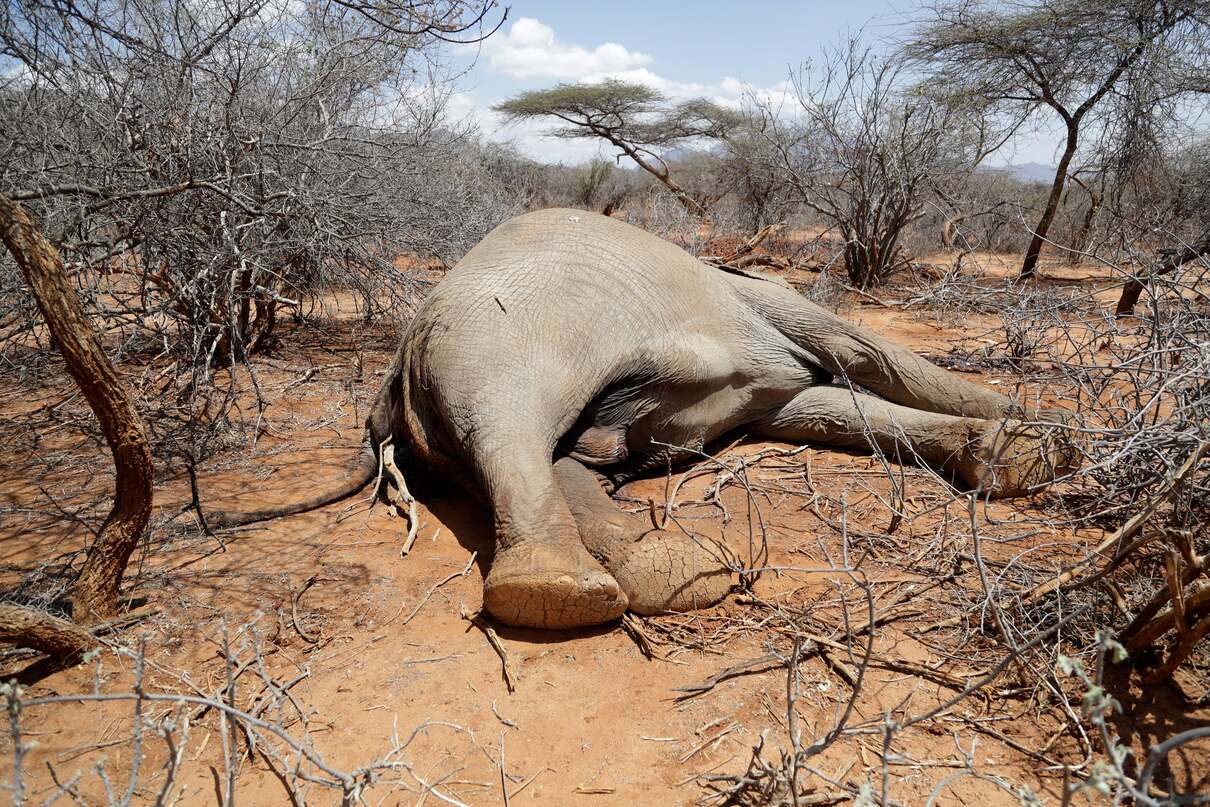
However, fauna faces increasing threats: habitat loss, poaching, and illegal wildlife trade, requiring urgent collective action. Recent studies reveal that Africa is experiencing a continental collapse of nutrient cycles and seed dispersal, endangering both biodiversity and the livelihoods of millions of people.
Voices at COP30
The side event, titled “From Synergies to Action: Animals as the Missing Link”, brought together international figures such as Tristan Tyrrell (Convention on Biological Diversity), Dr. Ana Cristina Mendes de Oliveira (Federal University of Pará), Tricia Croasdell (World Animal Protection), and Dr. James Yeates (WFA).
- Ambassador Chifamba:
“Healthy wildlife populations are engines of climate stability. With this new Declaration, African leaders have taken a giant step in recognizing fauna as an ally in climate action. We invite the world to support us on the road to COP31.”
- Ambassador Dibba:
“In Gambia, we see how climate change affects our wildlife and ecosystems. The socioeconomic impact is enormous: nature tourism supports communities and local businesses. When biodiversity decreases, we lose economic resilience and cultural identity.”
- Dr. James Yeates (WFA):
“This announcement is a triumph for animals. Protecting them is not just an act of compassion but fundamental to the planet’s future.”
Projection Towards COP31 and Agenda 2063
The upcoming Declaration on Wildlife for Climate is based on the commitments made at the 20th African Ministerial Conference on the Environment (AMCEN) in Nairobi and aligns with the African Union’s Agenda 2063: The Africa We Want.
This framework recognizes that Africa’s unique natural resources —including its wildlife— must be protected and valued to ensure climate resilience, biodiversity conservation, and sustainable development.
The announcement at COP30 marks a political and environmental milestone for Africa, which seeks to position wildlife as an essential component of global climate policy. The Declaration to be presented at COP31 represents a historic opportunity.


