



In order to protect the urban and natural environment, the Córdoba Deliberative Council approved an update to the Citizen Coexistence Code. The new regulations significantly increase the penalties for those who contaminate the surroundings, focusing on stopping illegal dumps, waste burning, and land abandonment.
The initiative aims not only to punish but also to prevent harmful behaviors that degrade the landscape and affect public health. Among the main objectives are the reduction of pollution, the recovery of degraded spaces, and the promotion of responsible waste management.
The regulations establish fines ranging from $525,200 to $42,000,000 depending on the infraction and the extent of the damage. The highest penalty is applied to large waste generators who fail to comply with the required management plans.
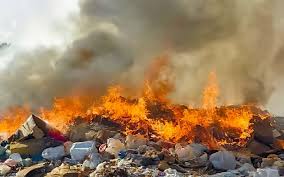
Severe penalties are also foreseen for burning leaves, pruning waste, and other waste without precautionary measures, a practice that generates air pollution and fire risks.
A Fund to Restore Contaminated Areas
To allocate the resources collected from these penalties, the Environmental Recovery and Waste Dump Sanitation Fund was created. The money will be exclusively used to clean affected areas, restore public spaces, and carry out awareness campaigns.
This fund plays a central role in the municipal strategy: ensuring that the penalties not only have a punitive effect but also directly contribute to reversing the damage caused.
Through inspection operations and coordination with organizations such as Civil Defense, the municipality aims to eradicate illegal practices and change ingrained habits in neighborhoods where informal dumpsites have become part of the daily landscape.
The strengthening of the regulations also aims for companies to assume their environmental responsibility and to balance efforts among all social sectors.
Environmental Objectives of the New Ordinance
These measures respond to a series of specific objectives, among which the following stand out:
- Prevent and reduce environmental pollution. Limiting garbage dumps and uncontrolled burning improves air, soil, and water quality, reducing the impact on public health.
- Restore degraded urban spaces. Areas taken over by waste can be transformed into safe and green spaces, generating social, ecological, and aesthetic benefits.
- Promote a culture of shared responsibility. The regulations encourage citizen and corporate commitment to proper waste management.
Additionally, the regulation aims to anticipate environmental crises, avoid higher expenses in health and cleaning, and move towards a more sustainable city model. Córdoba thus joins the group of municipalities that integrate sustainability as a central axis of their public management.
 Waste burning. Photo: Consonante.org.
Waste Burning: A Risk That Can Be Avoided
Among the most harmful practices for environmental health is the uncontrolled burning of waste. This action, although common in many neighborhoods, represents a direct threat to both the ecosystem and human health.
The combustion of dry leaves, pruning waste, tires, or household waste releases atmospheric pollutants that affect air quality. Among them are fine particles and toxic compounds such as dioxins and furans, highly dangerous for the respiratory system.
Furthermore, open burning increases the risk of fires, especially in times of drought or extreme heat. A small fire can spread rapidly and affect homes, grasslands, or nearby natural areas.
The new ordinance aims to discourage these practices through exemplary penalties, but also aims to raise awareness about the importance of responsible waste management. Citizen participation is key: reducing, separating, and correctly disposing of waste prevents irreversible impacts on the environment.



