



The government of Ecuador suspended mining activities in three provinces on Monday due to the severe pollution caused by illegal mining.
The decision affects areas of the Amazon and the south of the country where heavy metals in dangerous concentrations were detected.
The resolution, signed by the Minister of Environment Inés Manzano, applies to the provinces of Napo (Amazon), El Oro and Loja (southern border with Peru).
The measure aims to stop the accelerated environmental deterioration in these regions.

Heavy metals exceed permissible limits
A technical report revealed the presence of copper, lead, arsenic, cadmium and cyanide in the Calera, Amarillo, and Napo rivers.
According to the official document, these substances “exceed the maximum permissible limits” established by environmental regulations.
The Ministry of Environment ordered inspections and sanctioning processes to combat illegal mining in Ecuador. The actions include:
- Suspending irregular operations
- Seizing machinery and mineralized material
- Intercepting illegal mining
- Preventing further environmental damage
The impact of illegal mining on indigenous communities in Ecuador
Activist Leo Cerda, communications leader of the Kichwa Shakan Amaru Cachi community, described the environmental impact as “severe”.
According to his statement to The Associated Press, the contamination of the Napo River causes “diseases, allergies, miscarriages” among more than 100,000 inhabitants of the riverbank due to its contamination.
Cerda denounced that in Napo there are 288 mining concessions and environmental licenses granted irregularly.
“They were granted because there is corruption in the control bodies,” he stated, requesting an institutional purge.
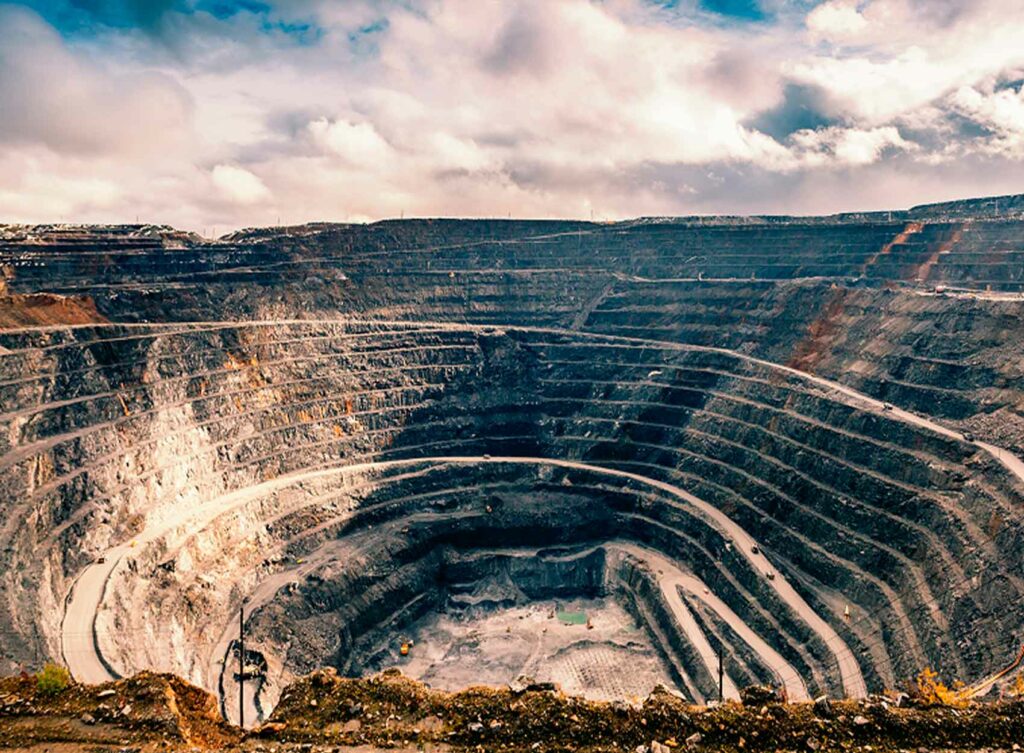
The link between illegal mining and organized crime
Illegal mining in Ecuador is linked to organized crime groups involved in drug trafficking, which has increased violence in the affected areas.
The activist pointed out that companies “are joining with transnational gangs and are financing violence in the country”.
Criminal organizations steal fuel to operate mining machinery. “It’s all ill-gotten money,” Cerda denounced about these illegal operations.
In 2024, two mayors of mining cities in El Oro were murdered, as well as another in a mining area of Azuay. These crimes highlight the dangerousness of the context linked to illicit extraction.
An uncontrolled problem since 2023
Despite the fact that in June 2023 the government of Guillermo Lasso declared illegal mining a serious threat to the State, its expansion did not stop.
High gold prices have driven the proliferation of this activity.
The Chamber of Mining of Ecuador supported all actions to fight against illicit extraction. It acknowledged that this generates “serious environmental, social and security problems” that require “a firm response from the State“.
The illegal exploitation of gold is recorded in at least 11 provinces: Napo, Sucumbíos, Zamora Chinchipe, Morona Santiago (Amazon), Imbabura, and Loja (Andean region), among other affected areas of the country.


