



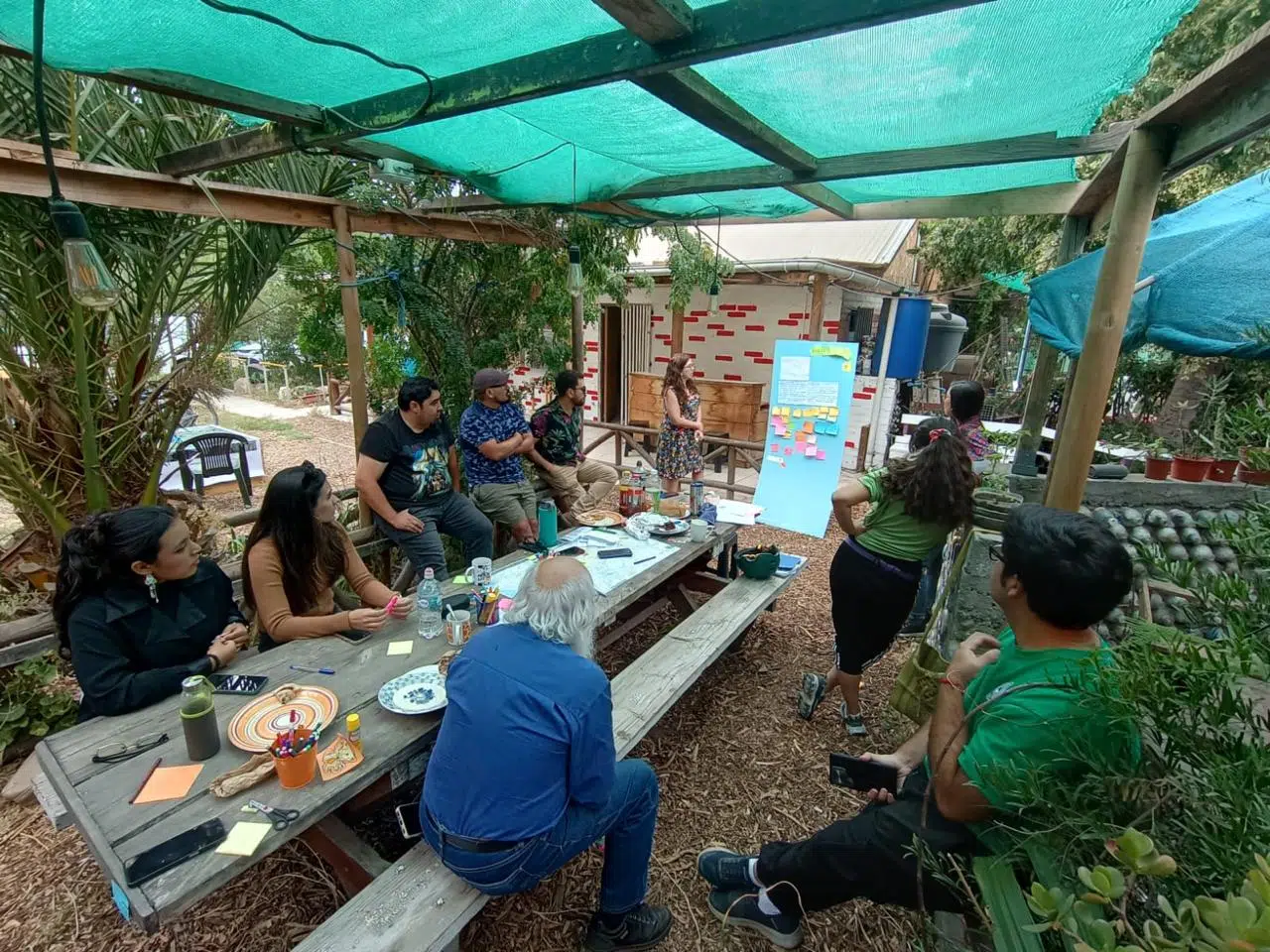
With the participation of community leaders and local organizations, the Maipo River Basin Meeting was held in Maipú (Chile), an event organized by Fundación Glocalminds, Humedal Estacional El Pajonal, Seres del Zanjón, and the Karakol Environmental and Cultural Group to protect water and wetlands.
The meeting highlighted the collective power of the territory, bringing together local knowledge, environmental practices, and community networks that, when united, reveal concrete opportunities for collaboration and the safeguarding of water and ecosystems.
Living Basins Maipú: Wetlands at Risk
The initiative “Living Basins Maipú” focuses on the protection of vital wetlands in the commune, such as El Pajonal, Mapocho El Trebal, and La Máquina, which are essential for biodiversity and water regulation. These areas face serious threats:
- Extraction of aggregates.
- Accumulation of garbage.
- Road projects affecting their integrity.
In response, local organizations are promoting their recognition as Urban Wetlands, managing the water and wildlife of the area, part of the Maipo Basin.
Water Crisis and Collaborative Work
In the context of the water and climate crisis, the communities that inhabit and protect the basin have been working together since October to:
- Analyze the water balance of the territory.
- Verify the impacts on ecosystems, biodiversity, and communities.
- Defend the right to water security.
This process aims to strengthen the care of water and the ecosystems that sustain life.
Community Action Plan for Regeneration
In upcoming meetings, progress will be made in designing a Community Action Plan for Regeneration, which will include:
- Strategic work axes.
- Clear goals for protection and regeneration.
- Monitoring indicators built from territorial collaboration.
The plan will emphasize water care, ecosocial justice, and strengthening the community fabric.
Voices of the Organizations
Claudio Gaete, president of the Karakol Environmental and Cultural Plaza Group, highlighted:
“These meetings allow us to gather with colleagues from different territories, exchange experiences, and strengthen collective learning. The connection provides us with a comprehensive view of the basin and allows us to understand that what impacts one sector affects everyone. We are an interconnected system, where collaborative work is key to defending the territory.”
Meanwhile, Diana Rojas, president of the Seres del Zanjón community and facilitator of Glocalminds, stated:
“Fundación Glocalminds positions itself as a collaborator, providing methodological tools and support in systematization, with the aim of sustaining the territorial articulation driven by the organizations themselves over time. Its role is to strengthen the conditions for the collective process to be maintained, grow, and project, respecting the autonomy and decisions of the territory.”
The Maipo River Basin Meeting reaffirms the importance of community articulation to address the water crisis and protect urban wetlands. The construction of a collective action plan and the integration of local knowledge are decisive steps to ensure water security, ecosocial justice, and biodiversity protection in Maipú and throughout the Maipo basin.


