



A recent study reveals a concerning fact regarding the planet’s water. From 1850 until now, the levels of mercury in rivers have doubled.
The research was published in Science Advances and led by researchers from the University of Nanjing and Tulane University.
It reveals that the levels of the substance transported by rivers to the ocean have gone from about 390 tons to over 1000 today, more than double the preindustrial levels.
Mercury in rivers: what does the report say and why is it concerning
Using the global model MOSART-Hg, scientists measured the riverine flow of mercury from the preindustrial era to the present day. They validated their projections with marine sediment data.
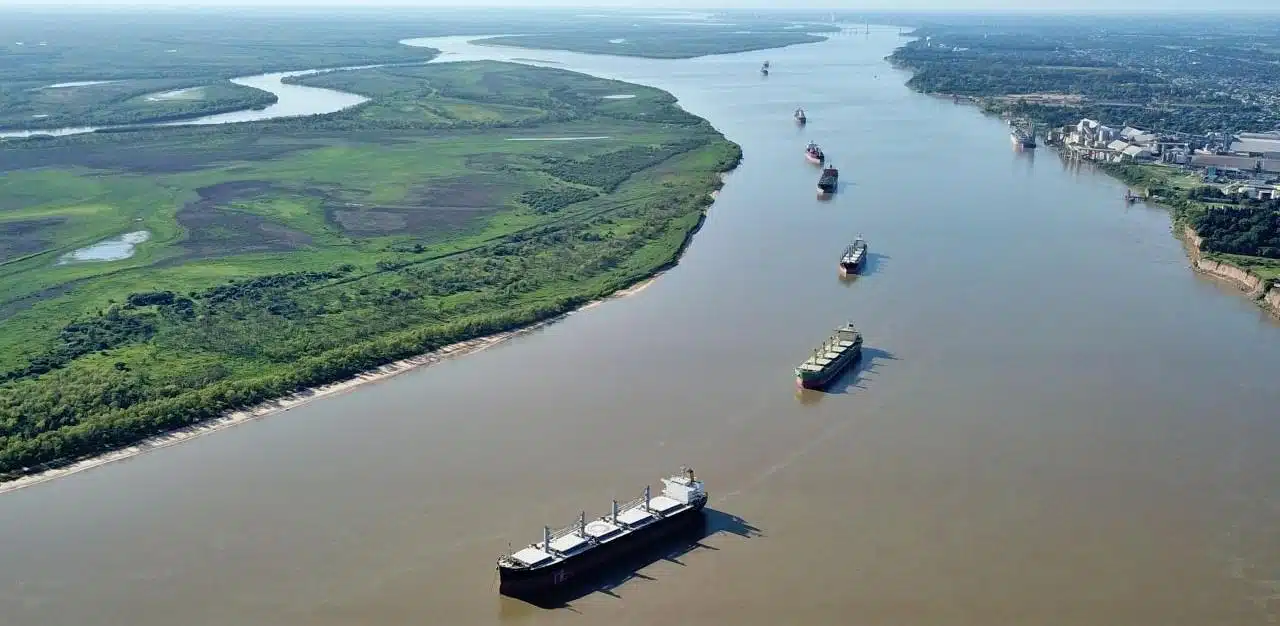 Why mercury levels in rivers are concerning.
This meticulous analysis determines that today rivers carry almost a thousand tons of mercury per year. This represents a 150% increase, largely driven by industrial, mining discharges, and accelerated soil erosion.
The most affected regions are North and South America, accounting for 41% of the global increase, followed by Southeast Asia (22%) and South Asia (19%).
In the Amazon basin, the Amazon River currently transports over 200 tons of mercury per year, three-quarters of which come from human activity, especially artisanal mining.
The river that most increased its mercury levels
In the Yangtze River (China), the mercury flow has more than doubled compared to the preindustrial era.
This increase represents a serious risk to human health and wildlife. Mercury is highly toxic and accumulates in fish as methylmercury, a neurotoxic substance that amplifies along the food chain.
Thus, it severely affects human populations that depend on fish, especially pregnant women and children.
Additionally, migratory birds in East Asia and North America face increasing levels in their riparian environments.
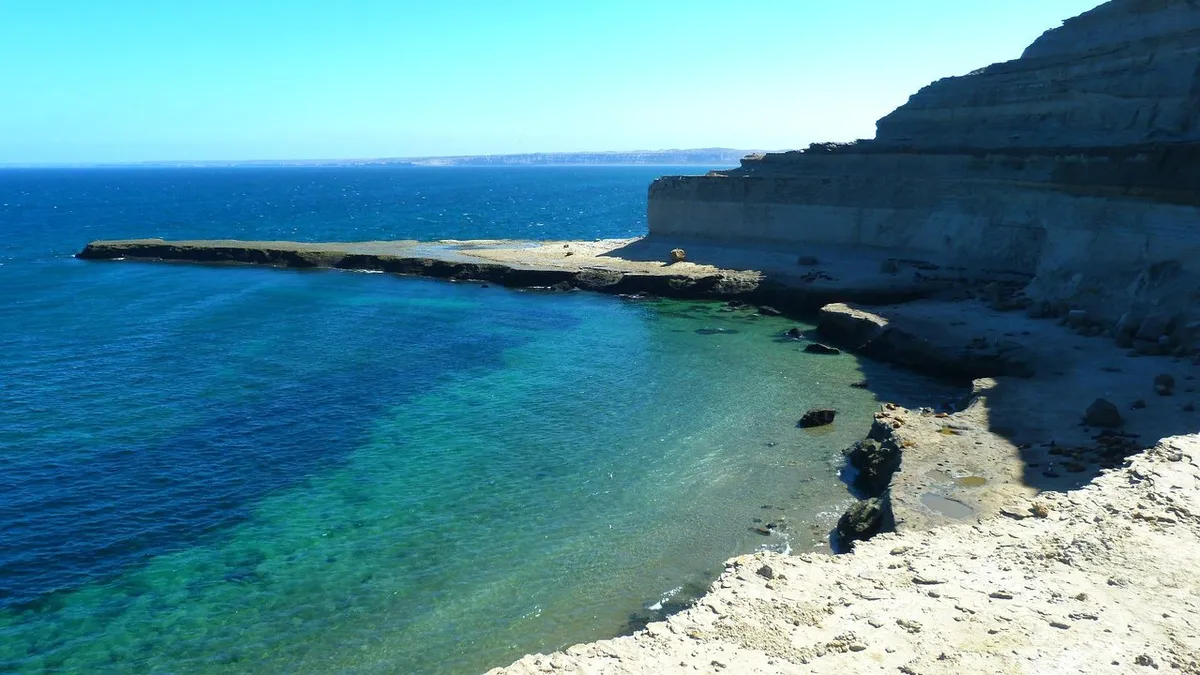 The danger of mercury in water.
The exceptions
Although the trend is global, there are exceptions: in the Mediterranean region, a reduction in mercury compared to the preindustrial era was detected, probably due to sediment retention in dams like the Aswan High Dam on the Nile.



