



On the closing of the COP30 in Belém, Brazil, environmental NGOs launched harsh criticisms against the results of the climate summit.
The environmental organizations deemed the agreements reached at the event insufficient in light of the global climate urgency.
In particular, the absence of clear references to fossil fuels in the final documents generated disappointment among environment defenders.
Among them, the World Wildlife Foundation (WWF) described the summit’s balance as “modest” and warned that the progress made is not enough to tackle the current climate crisis.
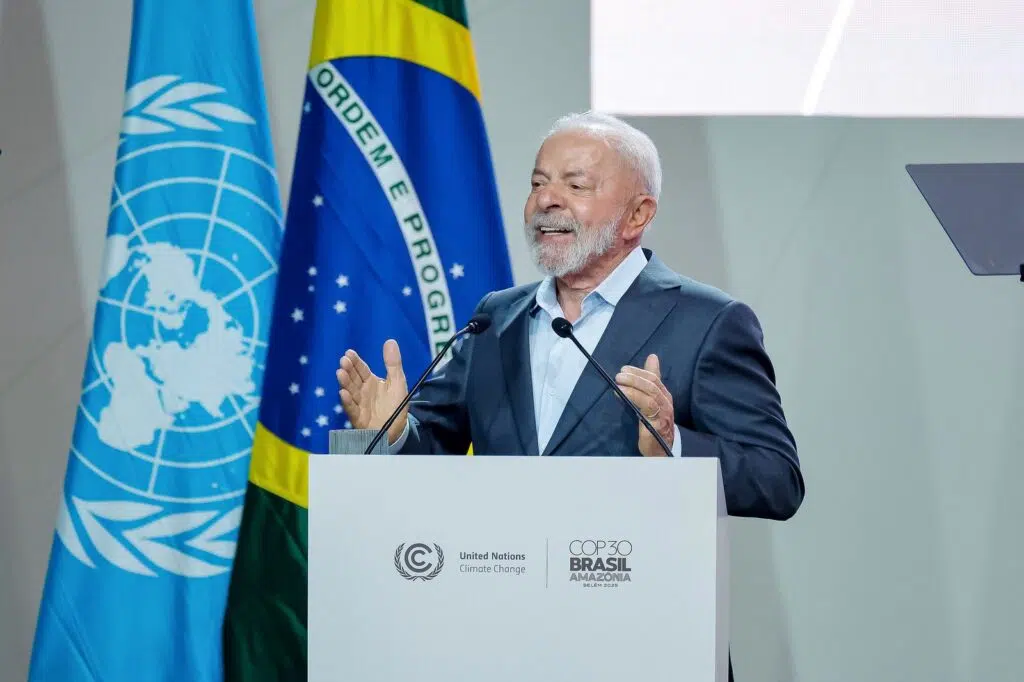
COP30: NGOs criticize weak results and lack of ambition
“We are left with a weak document lacking in substance,” stated Manuel Pulgar-Vidal, WWF spokesperson and former president of COP20.
According to the representative, this is due to “the opposing forces to climate ambition and implementation.”
During the summit, the major point of conflict arose when Arab countries vetoed the Brazilian proposal to establish a “roadmap” to eliminate fossil fuels.
This decision left a significant gap in the climate commitments that the international community expected to achieve in Belém.
Greenpeace, for its part, lamented this gap and considered that Brazil’s alternative initiative, created outside the formal negotiation channel, represents merely a “consolation prize“.
“It is not the progress we expected and that the world desperately needs,” stated Carolina Pasquali, director of Greenpeace in Brazil.

Climate financing: another pending issue at COP30
Besides the issue of fossil fuels, NGOs pointed out another significant failure of COP30: the lack of increases in climate financing.
This demand is a constant from developing nations, which require resources to implement actions against climate change.
The absence of concrete financial commitments represents an obstacle for the most vulnerable countries to adapt and mitigate the impacts of global warming.
The achievements of the summit
Despite the criticisms, NGOs identified some positive aspects of COP30 in Belém:
- Intense social mobilization: numerous protests in favor of the environmental cause were held throughout the summit
- Indigenous participation: indigenous peoples had a prominent presence in activities and discussions
- Just transition mechanism: a system was created to ensure that climate measures consider the interests of affected workers, especially in the hydrocarbon sector
“COP30 takes a hopeful step towards justice, but it does not go far enough,” commented the Climate Action Network.
This balance reflects the tension between those who prioritize the gradual elimination of fossil fuels and the producing countries that seek to protect their hydrocarbon-based economies.
The Belém summit thus leaves a bittersweet taste: advances in social participation and labor justice, but setbacks in the most urgent commitments to stop global warming.


