



A technical report prepared within the framework of the Sustainable Pacific project, funded by the Global Environment Facility (GEF), implemented by the UNDP and executed by WWF Mesoamerica, warns that Panama’s Pacific coast faces increasing environmental pressures.
Among them are overfishing, marine pollution, and the expansion of invasive species, factors that threaten the sustainability of one of the country’s most productive ecosystems.
Main identified threats
- Overfishing: illegal, unreported, and unregulated fishing, along with bycatch, affect fish populations and marine organisms, jeopardizing food security and the livelihoods of coastal communities.
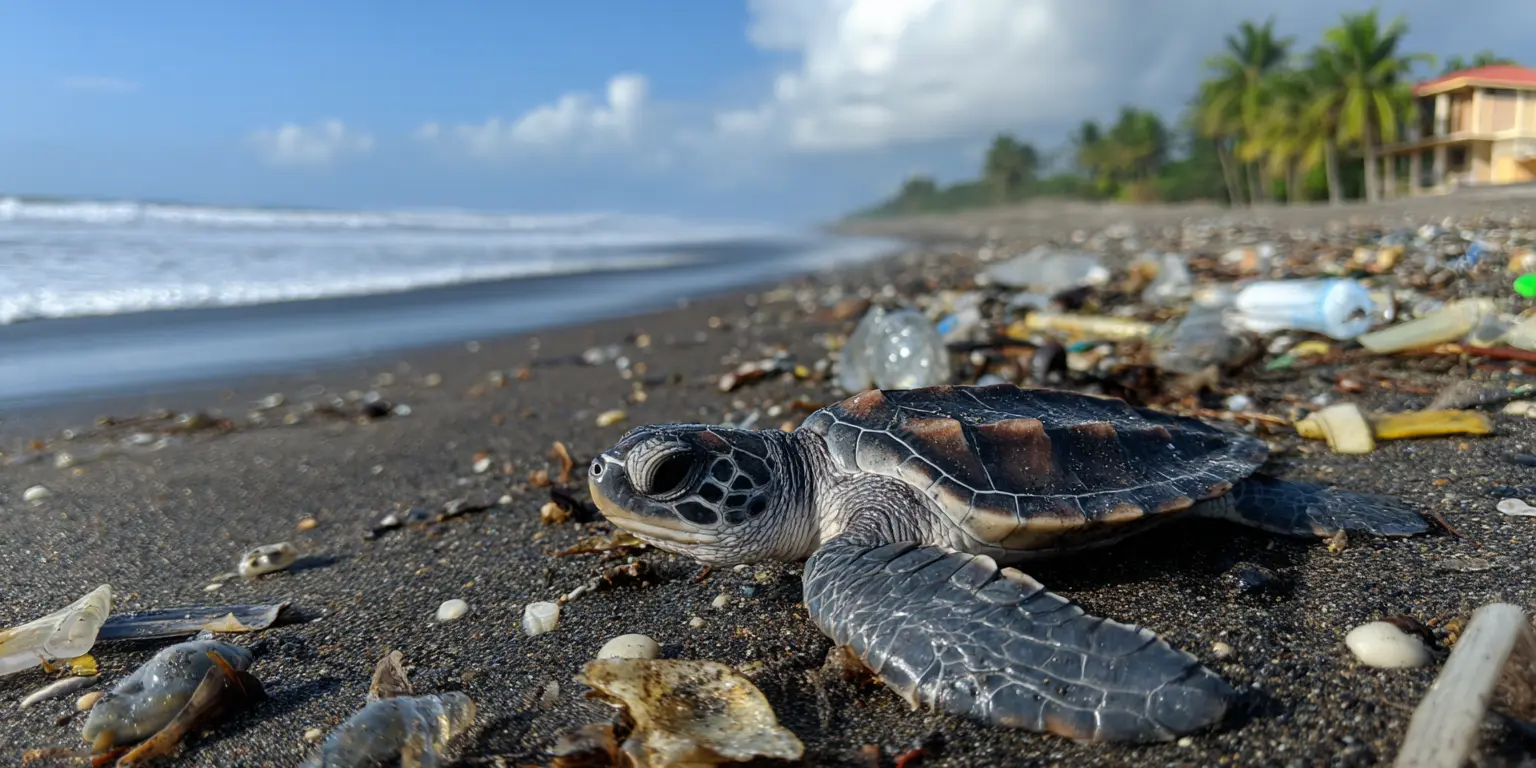
- Marine pollution: discharges of wastewater, agricultural runoff, and solid waste, especially plastics, deteriorate water quality and coastal ecosystems.
- Invasive species: introduced by international maritime transport, through ballast water or attached to ship hulls. Cases like Didemnum perlucidum in the Gulf of Chiriquí, capable of displacing corals, or mollusks like Anomia peruviana and Saccostrea sp., raise concerns. The North American mud crab (Rhithropanopeus harrisii) and marine parasites like Perkinsus and Raillietiella frenata have also been detected.
Critical ecosystems
The Panamanian Pacific hosts essential habitats such as mangroves, coral reefs, seagrass beds, and areas of high biological productivity. These ecosystems perform vital functions:
- Refuge and reproduction of marine species.
- Protection of coasts against erosion.
- Carbon capture, contributing to climate change mitigation.
Social and economic dimension
The Pacific Ocean supports key activities:
- Artisanal fishing: provides 85% of the fish consumed in local communities.
- Coastal tourism: an important source of employment and regional development.
- Aquaculture: a growing sector that depends on the health of marine ecosystems.
The diagnosis reminds that Panama is part of the Large Marine Ecosystem of the Central American Pacific Coast (GEM-PACA), shared by nine countries from Mexico to Ecuador, requiring coordinated regional management.
Study recommendations
The report proposes measures to strengthen environmental governance and the sustainable management of marine resources:
- Strengthen scientific monitoring systems.
- Enhance inter-institutional coordination.
- Combat illegal fishing with stricter policies.
- Reduce coastal pollution and improve water quality.
- Promote the blue economy, encouraging the participation of local communities, women, and youth in environmental management.
The Deputy Minister of Environment, Oscar Vallarino, highlighted that the Panamanian Pacific is one of the country’s greatest natural heritages and a source of livelihood for thousands of families. The study provides a solid scientific basis to guide public decisions and move towards a sustainable development model.
The sustainability of the Panamanian Pacific will depend on coordinated actions between government, private sector, communities, and international organizations, transforming scientific evidence into concrete commitments for conservation and development.



