



The Constitutional Court of Peru declared unconstitutional a municipal ordinance that excluded the Amazon region of Ucayali from conservation initiatives. This measure prevented the creation of protected natural areas and indigenous reserves in one of the territories with the highest biodiversity in the country.
The demand was filed by the College of Sociologists of Peru, rejecting the ordinance issued in 2023 by the provincial municipality of Ucayali-Contamana. The ruling reaffirms the importance of following national and international criteria for the recognition of indigenous territories.
The ruling also highlighted irregularities in the publication of the ordinance, which was only disseminated on digital platforms without meeting the legal advertising requirements. This lack of transparency was key to declaring its invalidity.
Furthermore, it was emphasized that the identification of indigenous peoples must be carried out by the Ministry of Culture, through the Vice Ministry of Interculturality, as established by current legislation and ILO Convention 169.
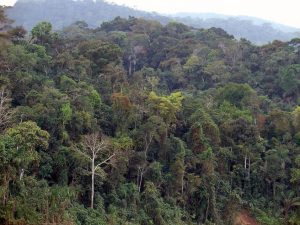
Environmental Protection with Legal Support
With this resolution, the Constitutional Court reinforces the commitment of the Peruvian State to the protection of the Amazon and the rights of indigenous peoples. Ucayali thus regains its place within ecological conservation policies.
The Amazon region of Peru encompasses more than 60% of the national territory and is one of the areas with the highest biodiversity on the planet. Home to hundreds of indigenous communities, it hosts a vast variety of ecosystems, rivers, and tropical forests that play a key role in global climate regulation.
Currently, the Peruvian Amazon faces strong threats due to deforestation, illegal mining, drug trafficking, and agricultural expansion. These factors not only affect biodiversity but also endanger the lives and rights of the indigenous peoples living in the region.
Despite these challenges, there are ongoing efforts to expand protected natural areas and strengthen indigenous reserves. However, effective territory protection requires greater institutional coordination, political will, and respect for the prior consultation processes established by law.

