



Después de 63 years, the province of Santa Fe has a new Constitution, approved by the Reform Convention.
The last reform was in 1962, and the new text seeks to update itself in the face of contemporary challenges, including human rights, technology, and environmental protection.
Environmental rights enshrined in the new Constitution of Santa Fe
The environmental chapter introduces key principles: the right of every person to live in a healthy and balanced environment, the universal access to safe drinking water, and the state obligation to promote mitigation and adaptation policies to climate change.
It also guarantees the preservation of wetlands, forests, and biodiversity, and incorporates the intergenerational principle, ensuring that environmental decisions consider the rights of future generations.
A critical context: uncontrolled industrial waste and landfills
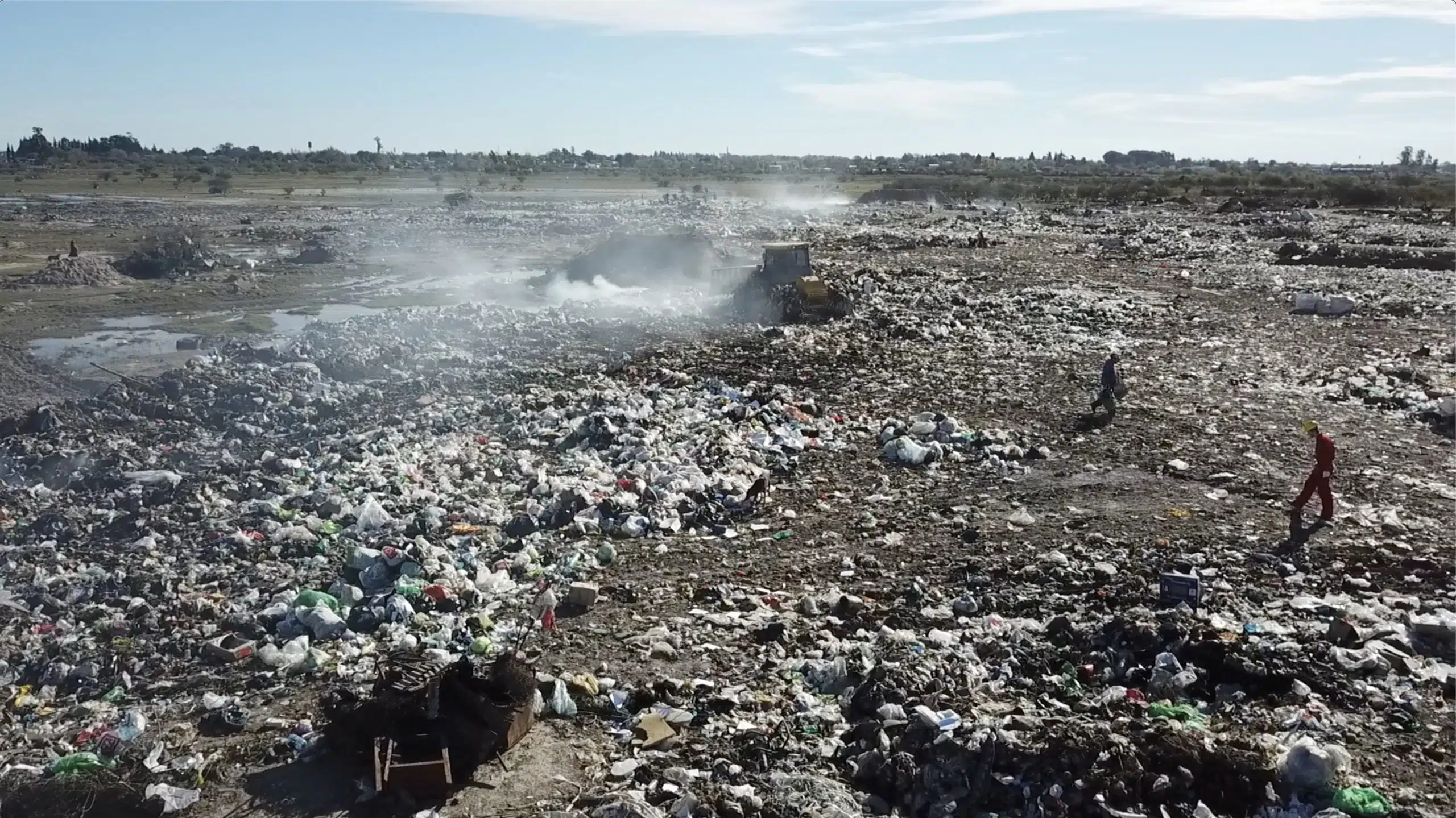
Argentina generates 25 million tons of industrial waste per year, but only 4% receives adequate treatment.
The reform occurs in a concerning scenario. In Santa Fe, the capital’s landfill is nearing its limit and should be replaced by 2027.
Nationally, there are more than 5,000 open-air dumps, and according to a report by the Hazardous Waste Observatories of UNR and UBA, 96% of industrial waste is discarded without control, worsening soil and water contamination.
Claims from the environmental and business sectors
From Catries and Caitpa, chambers that group industrial waste handlers and transporters, they celebrate the constitutional reform but warn that principles must be translated into concrete policies.
“The illegal dumping of hazardous waste undermines the right to a healthy environment,” said Claudia Kalinec, president of Catries. Only 9.22% of industries treated their waste correctly last year.
“We need a system of fines and penalties more costly than treatment, so companies stop choosing to pollute,” added Kalinec.
Metropolitan management and interjurisdictional coordination
For specialists, this context opens an opportunity to establish regional waste management policies, with coordination between municipalities, province, and Nation.
The new Constitution should set clear guidelines for integrated management, avoiding fragmented or short-term solutions.
Informal circuits and hazardous waste without traceability
Thousands of industries operate outside the legal framework, generating silent pollution.
According to estimates by Catries and Caitpa, a significant portion of industrial generators is not registered or does not comply with traceability requirements.
This means that waste such as tannery sludge, solvents, agrochemicals, and heavy metals end up in informal dumps or mixed with household waste, without control or treatment.
From norm to action: the commitment to future generations
The Constitution sets a course, but the key lies in implementation.
“Without real control, we will continue with the same pollution problems we denounce today,” concluded Gustavo Solari, president of Caitpa.
The constitutional reform of Santa Fe represents a historic advance, but its impact will depend on political will, effective oversight, and territorial articulation. Only then can the right to a healthy environment be guaranteed and ecosystems protected for future generations.



