



During the COP30 in Belém, Brazil, the “City of Youth” is established as the first global space entirely dedicated to the environmental leadership of the new generations.
Conceived as a meeting, training, and mobilization point, it brings together young activists from different countries committed to climate justice and the sustainability of the planet.
The project, located at the Curro Velho Office Center, seeks to strengthen youth leadership in global climate discussions. Between November 9 and 21, the place transforms into a living laboratory of ideas, with debates, plenaries, workshops, and cultural expressions that integrate art, politics, and ecology.
The initiative marks a historical precedent: it is the first international camp focused exclusively on youth within the framework of a United Nations Climate Change Conference.
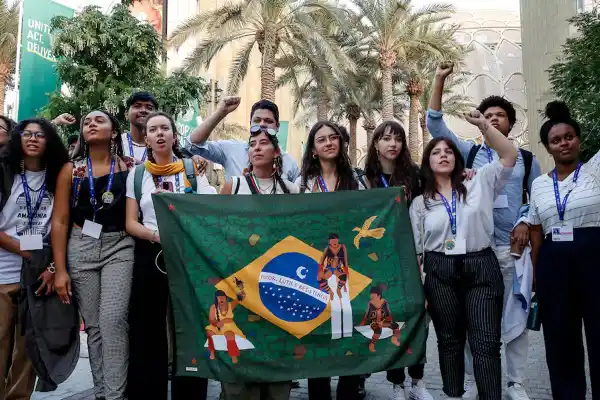
Youth protagonists of a sustainable future
Driven by young climate leader Marcele Oliveira, this proposal is the result of collaboration between the Cultural Foundation of Pará, the National Youth Secretariat of Brazil, and international organizations such as the United Nations Population Fund (UNFPA).
The space seeks to ensure the representation of young people from the Global South, especially those who often face economic or logistical barriers to participating in international events. Thus, the “City of Youth” becomes a platform for equity and access to global debate.
Through activities such as graffiti workshops, seed paper, screen printing, and participatory forums, participants combine creativity with activism, building concrete proposals to influence environmental public policies.
A laboratory of ideas for climate justice
The program includes thematic plenaries on gender, territory, biomes, culture, and environmental racism, with the participation of social leaders and government representatives. These meetings aim to outline collective strategies in the face of the climate crisis, integrating local and community perspectives.
In addition to the debates, culture plays a central role. Exhibitions of music, dance, and popular art reflect the diversity and richness of Latin American youth. From the rhythm of carimbó to the colorful Boi Vagalume, each expression reinforces the idea that sustainability is also built from cultural identity.
The meeting will conclude with the Youth Letter to COP30, a document that will gather the main proposals and commitments developed during the days of collective work.
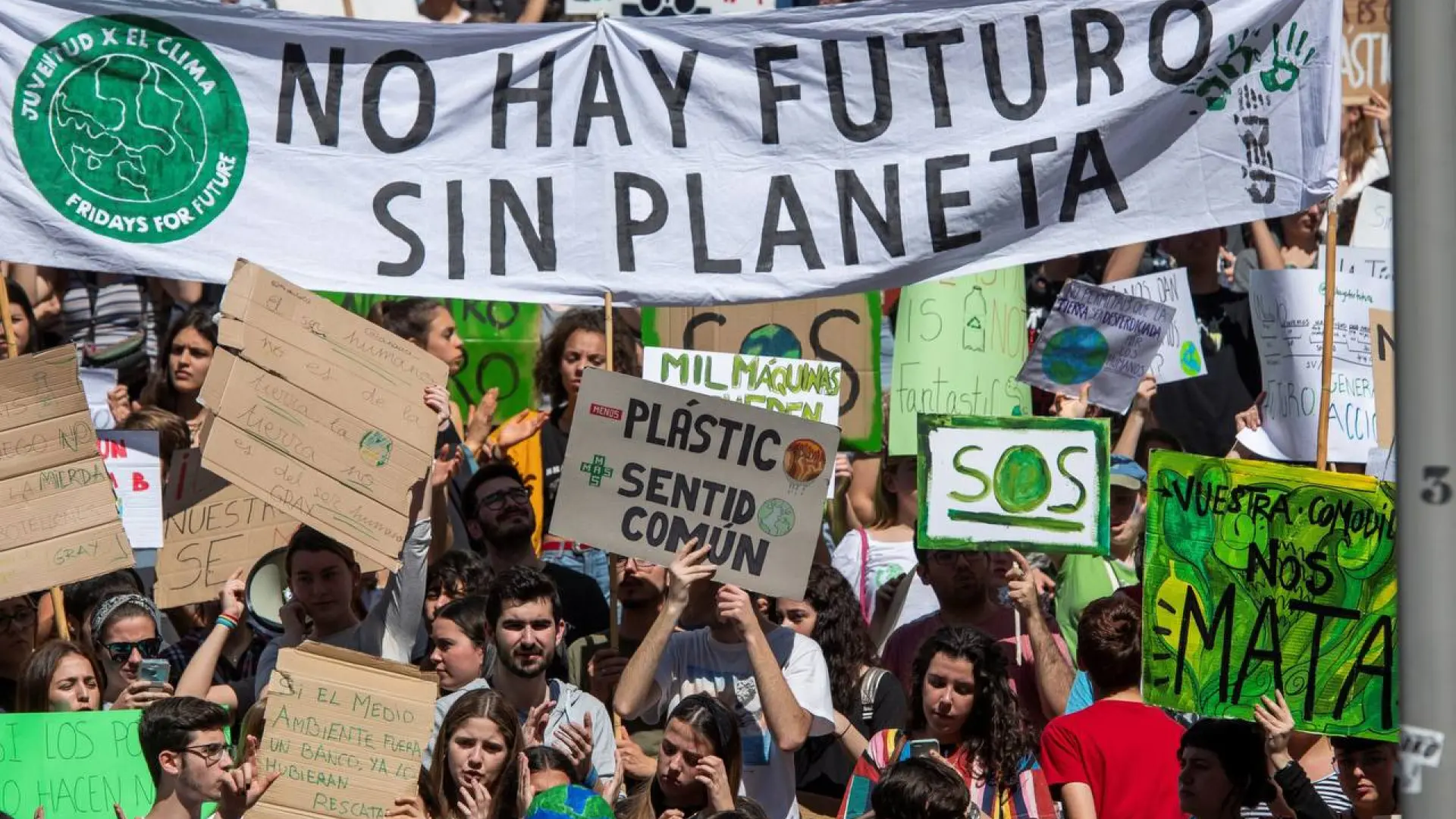
Towards real and transformative youth participation
More than a parallel event, the “City of Youth” symbolizes a paradigm shift in climate governance. For the first time, young voices not only observe decisions: they formulate, debate, and present them to international bodies.
This space promotes intergenerational dialogue, social inclusion, and the construction of sustainable leadership. By recognizing the transformative capacity of young people, it drives a new way of understanding climate action, more horizontal, participatory, and fair.
From the Amazon, this meeting demonstrates that the planet’s environmental future is written collectively, with young people at the center of the debate.
Environmental and social benefits of the initiative
The creation of the “City of Youth” generates impacts that transcend the event. Firstly, it expands environmental education and ecological awareness among new generations, strengthening the understanding of the links between social and climate justice.
Secondly, it fosters international networks of youth cooperation, essential for the continuity of climate change mitigation and adaptation projects in different territories.
Finally, the space reinforces the role of youth as a key actor in the defense of Amazonian ecosystems and in the transition towards a sustainable model based on equity, participation, and respect for diversity.



