



Current Status and Transition of ENSO
The phenomenon El Niño Southern Oscillation (ENSO) presents strong signals of a transition towards neutral conditions.
According to the report of March 2, 2026, there is a 90% probability that this phase will consolidate during the March-April-May 2026 quarter.
After a period under the influence of La Niña, oceanic and atmospheric indicators confirm a sustained weakening of the cooling in the equatorial Pacific Ocean.
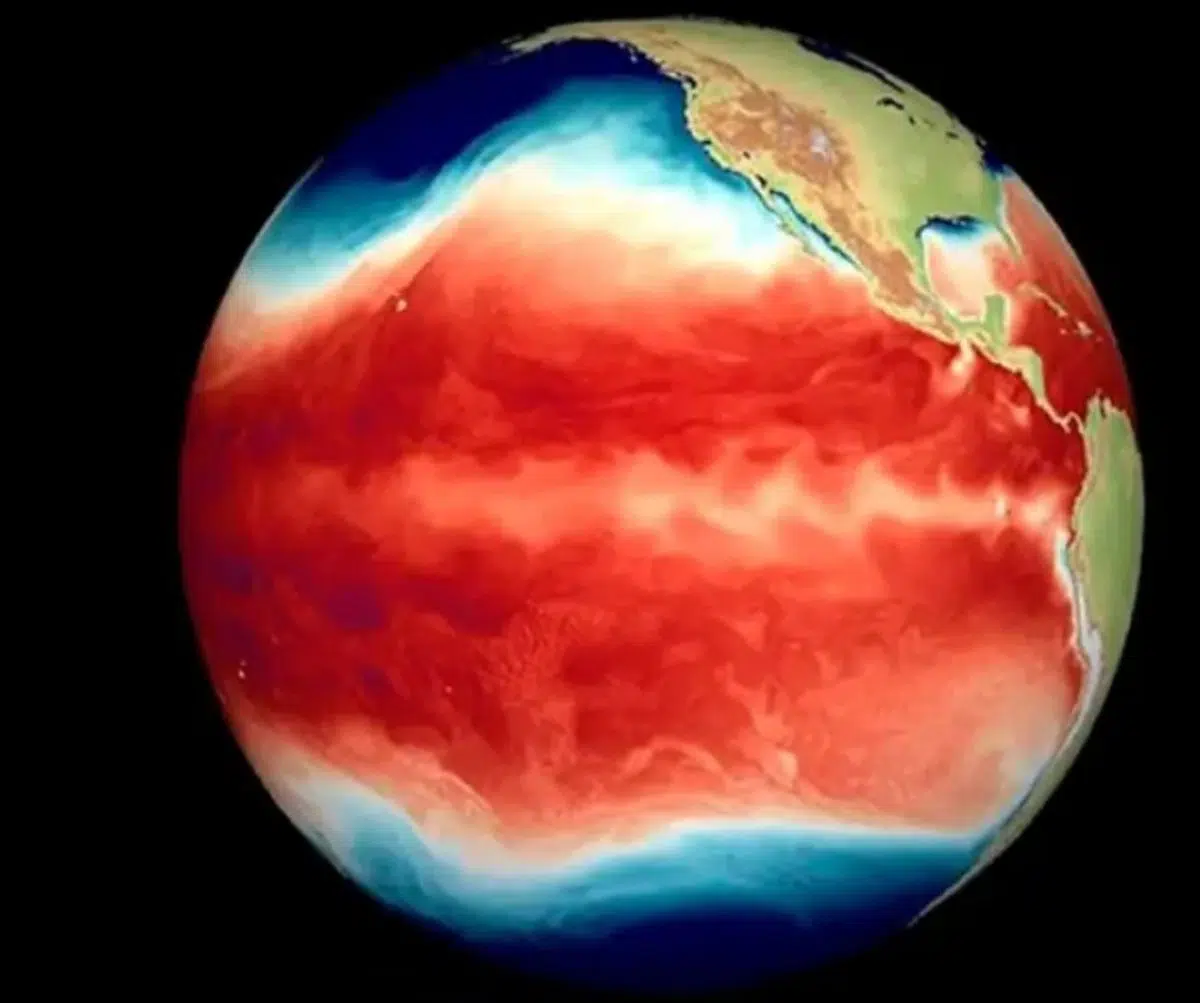
Ocean and Wind Behavior
-
Sea Surface Temperature (SST): Cold anomalies lost intensity in January and February. Currently, the cooling is limited to the area of 150°W, while near the South American coast and west of the dateline warmer waters are observed.
-
Trade Winds: They remain slightly intensified between 150°W and 160°E, but with much less vigor than during the peak months of La Niña, favoring the neutrality scenario.
-
Subsurface Level: Temperatures above normal were detected west of 140°W. This warm core has begun to rise to the surface, accelerating the end of the cold phase.
Technical Indicators and Measurements
| Indicator | Value / Status | Temporal Reference |
| Niño Region 3.4 | -0.6°C | Last weekly measurement |
| Niño Region 1+2 | +0.7°C (Positive anomaly) | February 2026 |
| Southern Oscillation Index (SOI) | +12 | As of February 28 |
| Oceanic Niño Index (ONI) | -1°C | November-December-January quarter |
The convective activity (cloudiness and rainfall) also reflects this change: although a cold phase pattern persists, it is in retreat, with increased activity near Australia, Indonesia, and South America.
Outlook for Autumn 2026
The dynamic and statistical models of the National Meteorological Service (SMN) project that the Niño Region 3.4 will reach anomalies of +0.2°C, a value representative of the neutral phase.
The end of the La Niña episode that began in 2025 could moderate the climatic extremes typical of that phase.
However, specialists emphasize that neutrality does not imply an absence of risks, so constant monitoring is vital to anticipate variations in regional precipitation and temperatures.


