



The collapse of the Fundão dam in Mariana (Minas Gerais) in 2015 released more than 40 million m³ of mining waste into the Doce River, affecting communities and ecosystems in Minas Gerais and Espírito Santo. Nearly a decade after the disaster, the impacts continue to emerge. A recent study found toxic metals in bananas and other crops near the Doce River estuary in Linhares.
Researchers from USP, UFES, and the University of Santiago de Compostela analyzed between 2019 and 2024 the transfer of potentially toxic elements (PTEs) —cadmium, chromium, copper, nickel, and lead— from the soil to the edible parts of plants such as banana, cassava, and cocoa.
The results showed:
- Bananas and cassava: accumulate higher concentrations in roots and tubers.
- Cocoa: elevated levels in leaves and fruits, with copper and lead concentrations exceeding FAO limits.
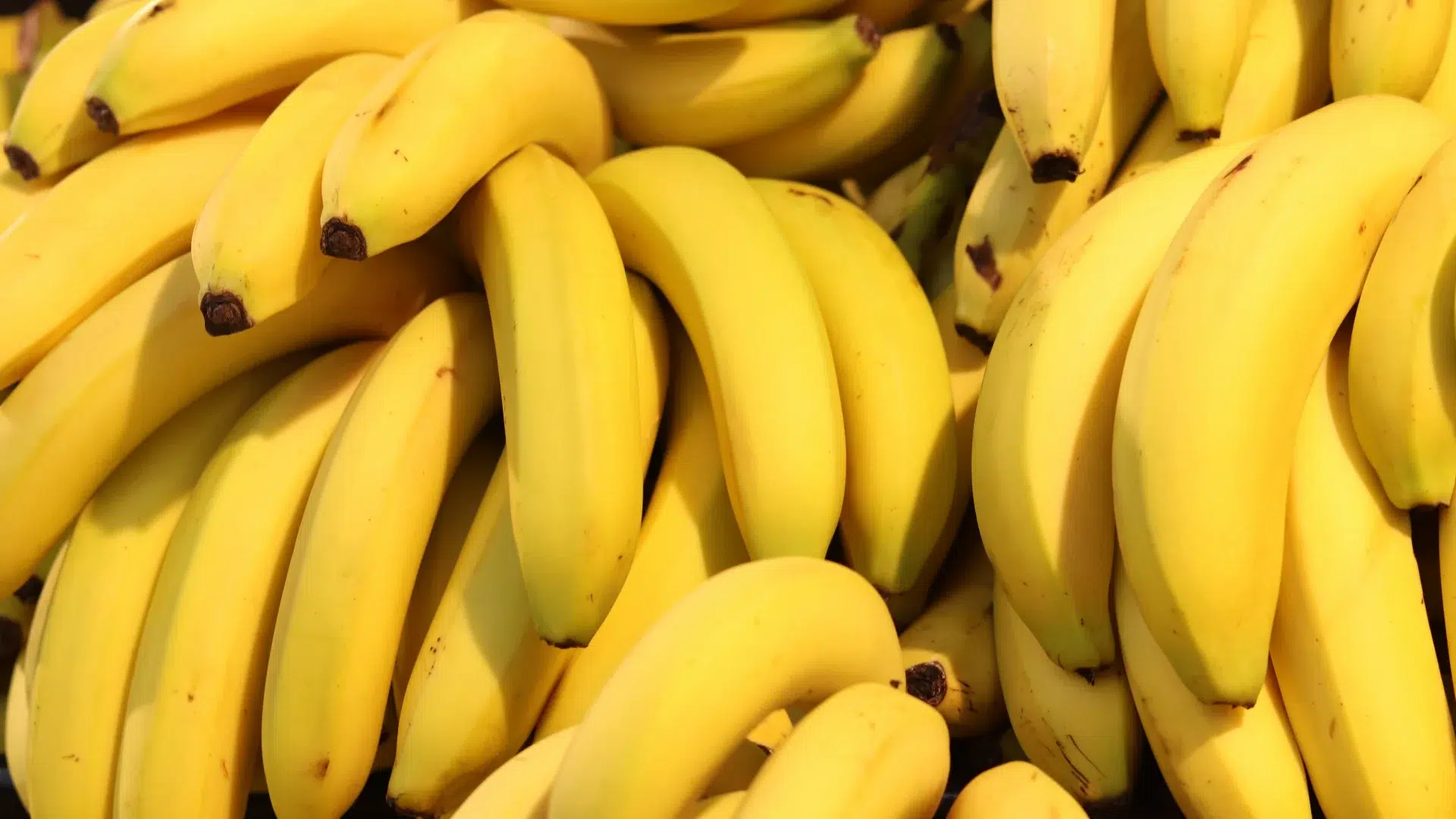
- Bananas: lead and cadmium reached concerning levels for child consumption.
The total risk index (TRI) indicated that, although the risk remained low for adults, in children under six years old, the TRI exceeded the safety threshold, mainly due to lead.
Health Risks
Lead is the main contributor to the elevated risk: even mild exposures can cause irreversible neurological effects, reducing IQ and affecting cognitive development. Cadmium, on the other hand, can damage kidneys and bones with prolonged exposures.
Researchers warn that the detected levels do not pose an immediate danger, but they do justify preventive measures and constant monitoring, as metals remain in the environment for decades and accumulate in human organisms.
Social and Economic Impact
The mining disaster devastated more than 650 km of river course and destroyed entire communities. Thousands of families who depended on fishing and agriculture saw their incomes reduced, and consumer distrust affected small fruit and tuber producers.
Indigenous and riverside communities, historically supplied by the river, were displaced or had to change their water sources, transforming traditional agricultural and dietary practices.
Responses and Challenges
- Renova Foundation, created by Vale, BHP Billiton, and the Brazilian government, manages compensation and remediation programs, although communities report delays.
- CONAMA and the National Mining Agency reviewed oversight procedures, but more than 60% of waste dams still lack public contingency plans.
- Universities and local governments are promoting phytoremediation and crop rotation projects to reduce soil contamination.
- Programs funded by FAPESP aim to map contaminants and establish safe cultivation zones.
The finding of toxic metals in bananas reinforces the need to integrate scientific research into public decision-making. Although the detected risks are localized, bioaccumulation and chronic exposure can have severe long-term effects.
Monitoring lead and cadmium in agricultural products will be essential to ensure food safety and rebuild the trust of affected communities.


