



A Chilean innovation, created by a startup, is making headlines for its contribution to the fight against air pollution. In the southern neighbor country, emissions caused by wood burning are a serious threat to public health.
Every winter, thousands of people suffer from respiratory diseases, hospitalizations, and even deaths as a consequence of this environmental problem. Faced with this reality, the company Blummo contributes by allowing the use of wood without generating polluting smoke.
Wood heating pollution: a health crisis in southern Chile
According to data from the Sustainable Energy Agency, in regions like Los Lagos, 95% of households use wood as their main source of heating. Although this is deeply rooted in the local culture, it is also the main cause of air pollution in the central-southern area of the country.
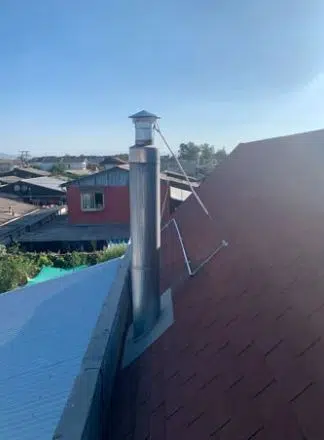 One of Blummo’s filters. (Photo: Blummo).
Wood stoves and cookers emit fine particulate matter (PM2.5), highly harmful to health, especially for children, and the elderly. In many cases, not even rainfall can clean the air, leaving a gray sky laden with smoke throughout the winter.
Blummo, the Chilean innovation providing a technological solution
Blummo emerges as an innovative response to this problem. Their technology, based on electrostatic principles, ionizes smoke particles and adheres them to the duct walls, preventing them from reaching the outside air. This solution achieves a reduction of up to 90% in polluting emissions from wood heating systems, without the need to change the type of energy.
“We don’t want to eliminate wood, we want to eliminate smoke. And we are achieving it,” says the Blummo team to the website austerra.org.
Additionally, the installation of the device is simple and compatible with existing kitchens and stoves since it integrates directly into the chimney without requiring complex modifications.
How Blummo works
Blummo’s technology is already operational in homes in more than six regions of Chile, and the results are remarkable: the traditional smoke columns emanating from the roofs disappear completely after the device is installed.
The project was recognized among the 500 environmental initiatives with the most potential in Latin America and is supported by CORFO through programs like Semilla Inicia and Expande.
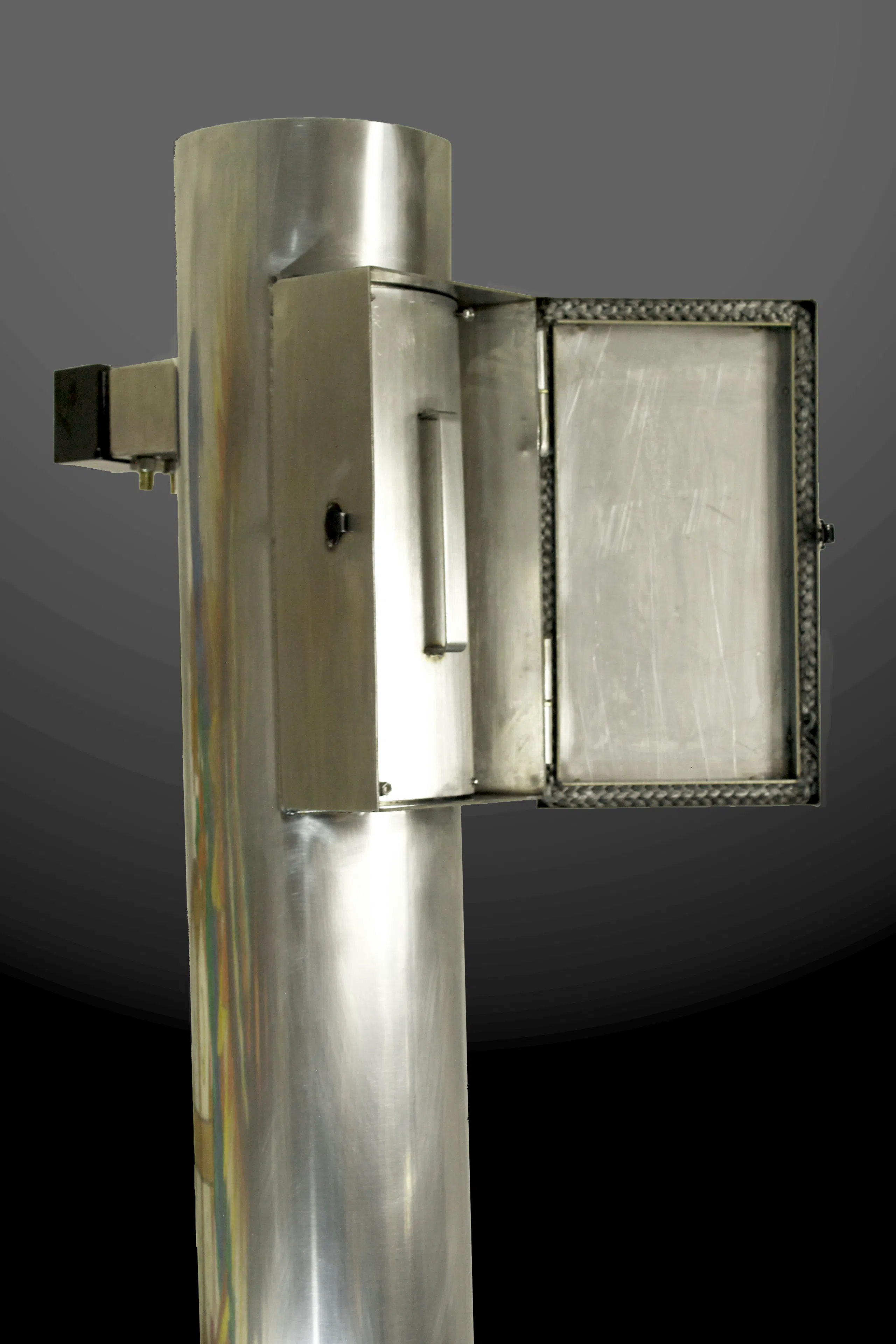 How this technology works. (Photo: Blummo).
Led by Josefina Díaz, an electrical civil engineer from the University of Chile, there is a personal motivation behind the project. “How nice would it be to enjoy that warmth, but with a clean sky, right?” reflects Josefina, recalling her experience in Chiloé, where she noticed how the smoke persisted even after the rain.
In addition to selling their technology directly through the official website, the startup seeks partnerships with municipalities and regional governments to scale their impact and bring clean air to the most affected areas of the country.
The consequences of air pollution: lung cancer cases on the rise
Lung cancer is the leading cause of incidence and mortality from this disease worldwide. In recent years, subtype patterns have changed significantly, and a demonstrated relationship between air pollution and this condition has been shown.
The International Agency for Research on Cancer provided statistics earlier this year and detailed the factors that influenced the rise in cases.
In 2022, 2.5 million cases of lung cancer were diagnosed, corresponding to an annual incidence rate of 23.6 cases per 100,000 people.
According to the Agency, which is part of the World Health Organization (WHO), the patterns of this type of cancer have changed significantly over the last decades.



