



A study by the University of Glasgow, published in Ecology, demonstrated that the presence of native trees in urban green spaces increases the survival of bird chicks and promotes ecological balance in cities.
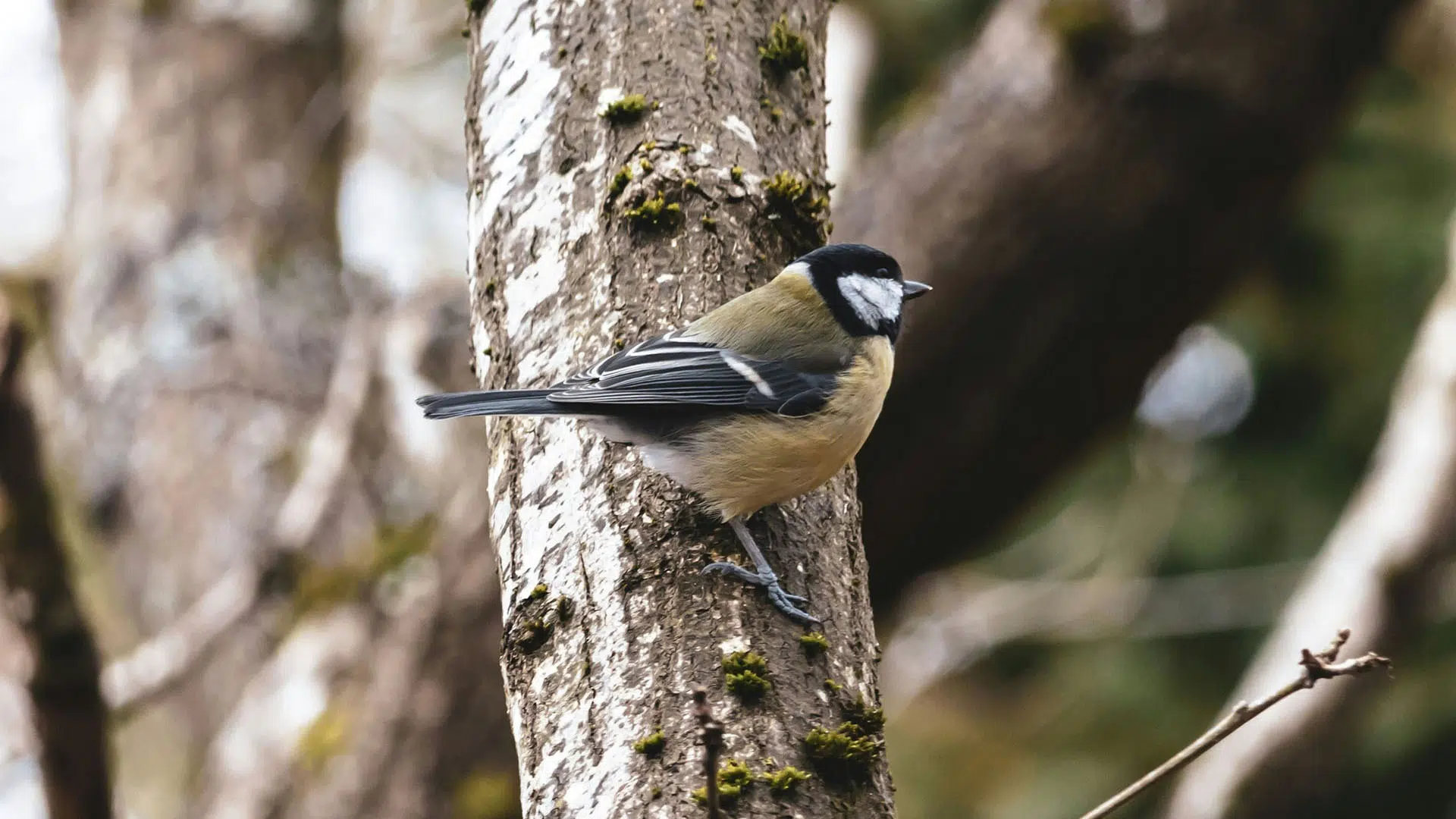
The study focused on the blue tit (Cyanistes caeruleus) and revealed that oaks are especially beneficial for urban biodiversity.
Study Methodology
Over nine years, the team led by Claire J. Branston and Davide Dominoni observed the reproduction of the blue tit in 20 sites, from the center of Glasgow to Loch Lomond National Park. Nest boxes were installed, and variables such as:
- Type and amount of foliage.
- Human population density.
- Local temperature.
- Presence of native or exotic trees.
This range allowed for coverage of an environmental gradient from densely populated urban areas to more natural wooded environments.
Main Results
Places with an abundance of native oaks showed:
- Earlier egg-laying.
- Larger clutches.
- Higher proportion of chicks reaching the fledgling stage.
In contrast, areas dominated by exotic trees recorded fewer eggs and lower chick survival.
The Ecological Explanation
Reproductive success is linked to the greater availability of insects on native trees, especially caterpillars of butterflies and moths, essential food for the chicks. During the breeding season, records confirmed a higher presence of caterpillars in environments with oaks.
Branston stated:
“Our research shows that the presence of native oaks increases the number of chicks that blue tits can successfully raise, as these trees provide them with more food.”
Urban Implications
The prevalence of exotic trees, along with human density and higher spring temperatures, reduces the reproductive success of urban birds. This poses a challenge for the viability of their populations in increasingly transformed cities.
The authors consider these results essential for the management of urban green areas, both in Europe and Latin America, where the planning of new spaces can directly influence the health of local wildlife.
Dominoni emphasized:
“The selection of species should include native plants that host natural populations of caterpillars and invertebrates, to strengthen biodiversity and the resilience of urban ecosystems.”
Management Recommendations
- Prioritize the planting of oaks and native species in new green spaces.
- Avoid the predominance of exotic conifers or fast-growing ornamental trees, which do not support native insect communities.
- Design resilient green areas, capable of supporting bird populations and other wildlife in the long term.
The research reinforces the evidence that local plant composition directly influences the health of urban food chains.
Planting oaks and other native trees not only favors the reproduction of birds like the blue tit but also improves biodiversity and the functionality of urban ecosystems.



