



A new study ranked the 50 cities most prone to mold in the United States, using climate and housing data. The analysis evaluated more than 200 metropolitan areas with six key metrics: annual precipitation, relative humidity, days with high humidity, age of homes, flood risk and storm exposure.
Each city received a composite mold risk score, showing how the combination of environmental and structural factors influences the occurrence of this indoor problem.
Main Findings
- The Southeast is the epicenter of mold: 32 of the 50 most affected cities are in this region, with relative humidity above 70% and annual rainfall over 127 cm.
- Older homes, higher risk: constructions prior to 1980 have a 41% higher probability of mold than modern homes.
- Rain is the decisive factor: cities with more than 127 cm of annual precipitation record recurrent water damage and greater mold exposure.
- Flooding worsens the problem: cities with a flood risk higher than 7/10 are 2.3 times more likely to be among the top 25.
- Prolonged humidity is more dangerous than isolated events: constant exposure to high humidity is the main trigger for mold, more than occasional floods.
Highlighted Examples
- Florida and Louisiana concentrate 15 of the top 20 cities, with risk scores above 65.
- Boston (No. 17) and New York (No. 8) show high mold levels due to the age of their homes (62 years on average).
- In the 10 most affected cities, there are more than 190 days of high humidity per year.
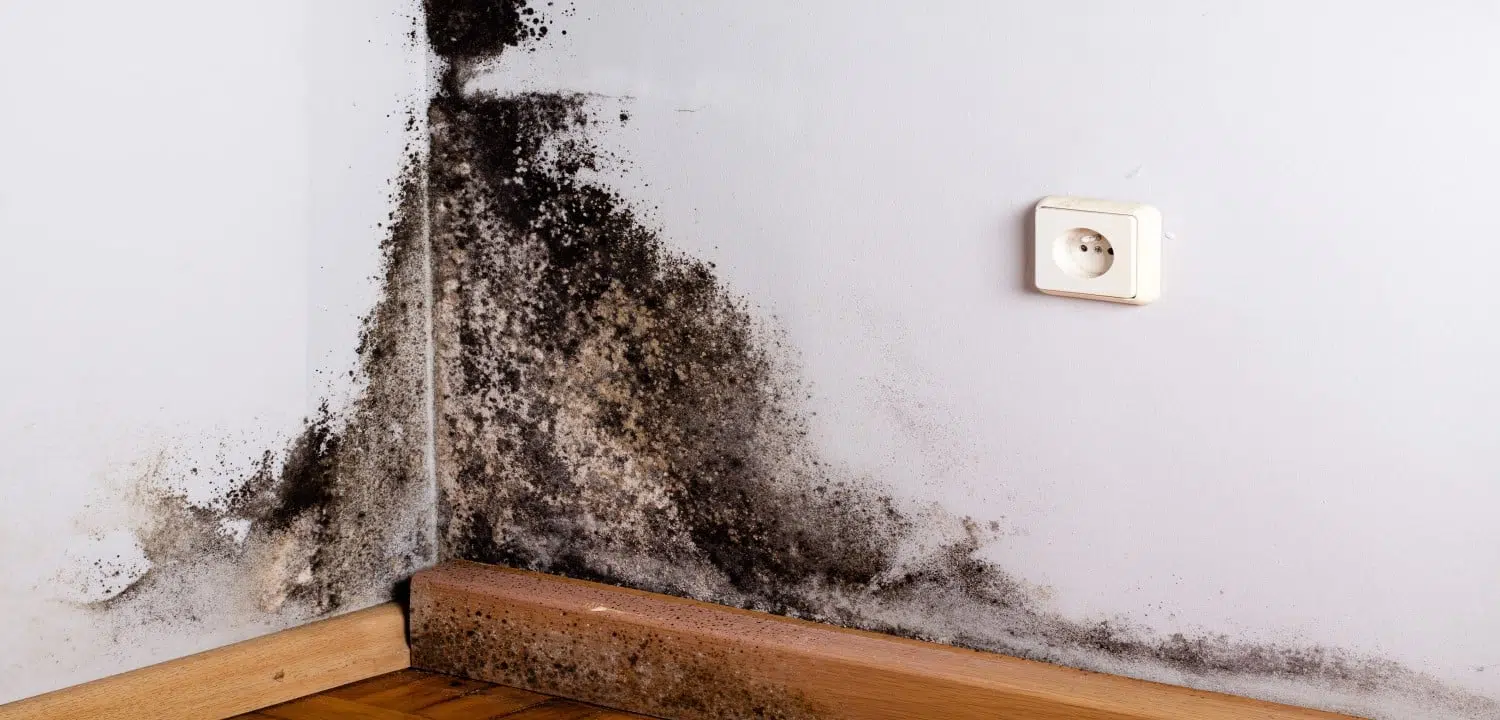
Prevention and Control
The study conducted by American Home Shield emphasizes that prevention works even in high-risk areas:
- Keeping indoor humidity below 60% can reduce mold risk by up to 70%.
- Inspect attics and basements after heavy rains.
- Clean gutters and level the ground to prevent water accumulation near foundations.
- Use dehumidifiers and repair leaks quickly.
Challenges in New Homes
Although modern homes have better vapor barriers, more porous materials like drywall and insulation can promote mold growth if humidity exceeds 65% for prolonged periods. This shows that the risk does not disappear with recent construction but requires regular checks.
The study confirms that mold is a structural and environmental problem affecting millions of homes in the U.S., especially in the Southeast. The combination of intense rainfall, high humidity, and older homes creates a high-risk scenario. However, preventive measures and proper maintenance can significantly reduce exposure, even in the worst-ranked cities.


