



In an effort to revitalize traditional crops and reduce the use of agrochemicals, a young researcher is advancing in a sustainable technique and biotechnology to improve cowpea production. This highly nutritious legume could become a key source of income for small-scale producers if a barrier is overcome: the fungi that prevent its germination.
Cowpea is a resilient plant with low water requirements, ideal for degraded soils and dry climates. Despite its nutritional and ecological potential, its cultivation remains marginal compared to more profitable options. Part of the problem lies in diseases that affect its initial development.
To address this limitation, the combined use of biopolymers and Trichoderma virens is being investigated, a beneficial fungus that fights soil pathogens. Applied as seed coating, these components act as a capsule that stimulates growth and protects the plant from its early stages.
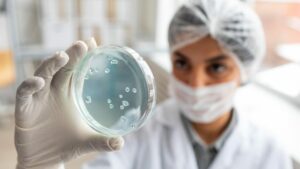 biotechnology
Protected Seeds, Sustainable Harvests
The proposed technique seeks an ecological alternative to the use of fungicides, through conservative biological control. This strategy involves reintroducing beneficial native organisms that strengthen the plants’ root system and improve their performance without contaminating the environment.
The chosen biopolymers, such as alginate and vegetable gums, act as vehicles to release nutrients gradually. This allows the seed to remain hydrated, protected, and stimulated during germination, which could increase sprouting rates and field yields.
In addition to its nutritional value, cowpea contributes benefits to the production system: nitrogen fixation in the soil, use as green manure, and helping to diversify family farming. Its promotion involves strengthening local economies, improving the population’s diet, and recovering cultivation practices adapted to the environment.
Technology in the Service of Farming and the Environment
This advancement is part of a cooperation network among universities, institutes, and producers aiming to generate solutions tailored to the territorial context. The construction of a plant to process cowpea flour demonstrates that there is a path towards local industrialization of this crop.
By working with native species and local microorganisms, the project avoids the use of expensive imported inputs, reducing technological dependence. This is applied science with direct social, ecological, and economic impact on the territories.
Promoting cowpea is not just an agricultural decision but also an environmental one. Investing in this crop with sustainable practices contributes to a more resilient agriculture, with a smaller ecological footprint and greater capacity to adapt to climate change.
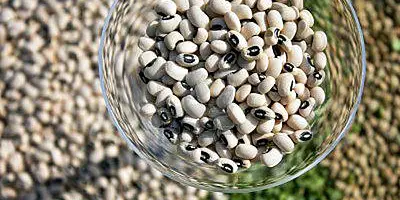 Cowpea. Photo: Composting science.
Biotechnology, Serving to Improve Agriculture
Biotechnology is a discipline that applies knowledge of biology, chemistry, genetics, and other sciences to develop products and processes useful in sectors such as health, agriculture, industry, and the environment. It is based on the use of living organisms or parts of them, such as cells, enzymes, or genes, to solve problems or enhance quality of life.
In agriculture, for example, it allows for the creation of more disease-resistant crops, drought-tolerant varieties, or pest-resistant plants, as well as environmentally friendly biofertilizers and biopesticides. It is also used to optimize food production, develop medicines, produce biofuels, or treat waste through biological processes.
Thanks to biotechnology, more sustainable practices that reduce environmental impact are promoted, improving productive performance and providing innovative solutions to global challenges such as climate change or food security


