



Dry construction is consolidating in Argentina as an innovative method that promotes energy efficiency, reduces environmental impact, and improves quality of life. This system, which eliminates the use of water during construction, speeds up building times and optimizes thermal comfort, positioning the country as a regional benchmark in this trend.
The growth of this construction model is driven by the incorporation of recyclable materials such as steel and high-efficiency thermal insulators. These solutions allow building houses that consume up to 60% less energy for heating and cooling, favoring a lower impact on the environment.
The Steel Framing system, one of the most used variants, stands out for its ability to integrate thick layers of insulation, minimize thermal bridges, and achieve an airtight envelope. Thanks to this, houses built with this method maintain cooler interiors in summer and warmer interiors in winter.
Furthermore, the precision of assembly and the use of industrialized components prevent air and moisture leaks, ensuring healthy indoor environments and no risk of mold formation, thus taking care of the inhabitants’ health.
 Innovation in sustainable construction.
Argentina, at the forefront of sustainable construction
The rise of dry construction is evident. In recent years, the adoption of Steel Framing has grown by over 90% in the country, surpassing the pace of traditional construction. In 2024 alone, more than 14,000 homes were designed under this system, consolidating a trend that is moving towards a more sustainable model.
The growth is observed in residential neighborhoods and low to medium density areas, where its environmental, economic, and comfort benefits are valued. In a global context where energy efficiency is a priority, Argentina continues to strongly bet on low environmental impact alternatives.
Forecasts indicate that in the next five years, dry construction will outpace the sector’s average growth, driven by a greater socio-environmental awareness and the need for housing solutions adapted to climate change.
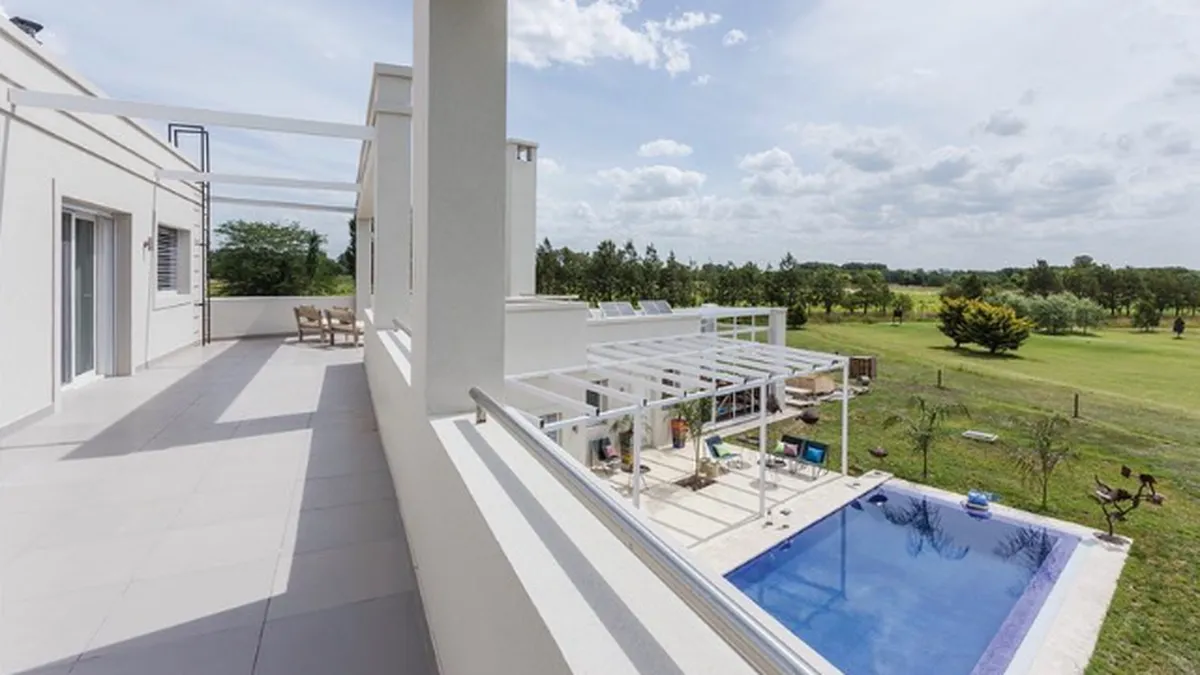 Sustainable construction.
Other options for building while caring for the planet
Sustainable construction encompasses different alternatives, all focused on reducing the environmental footprint without compromising quality. Among them, modular systems stand out, which use prefabricated pieces and minimize construction waste, and bioconstruction, which uses natural materials such as earth, wood, and plant fibers.
Passive houses are also gaining ground, designed to consume the least possible energy thanks to their orientation, insulation, and airtightness. These constructions optimize natural light entry and the use of renewable energies, reducing their ecological impact.
The choice of recycled or recyclable materials and the use of clean energy in production processes are key to achieving truly environmentally friendly buildings. With these options, construction can become an ally of sustainable development, without neglecting quality, safety, and comfort.



