



In a context where sustainability is gaining prominence, the province of Jujuy is advancing with a strategy that places agroecology at the center of its food policy. Through the Ministry of Production and the Directorate of Family Agriculture, the cultivation of food without agrochemicals is promoted, aiming for a productive, healthy, and environmentally friendly model.
This initiative began in tourist areas such as Purmamarca, with peach and quince preserves, and expanded to Huacalera with chemical-free vegetables. More recently, a network of small producers from San Pedro was incorporated, cultivating maize, potatoes, and onions using agroecological techniques.
One of the keys to the process is the use of natural bioinputs, such as bocashi, an organic fertilizer made from plant and animal residues. The goal is clear: to produce healthier foods, improve soil quality, and reduce the dependence on chemical inputs.
 Jujuy promotes agriculture without poison. Photo: Somos Jujuy.
Bioinputs: science, tradition, and future
The implementation of bocashi was accompanied by the development of local machinery for its production, and even by the design of prototypes in technical schools. This technological innovation combines with traditional practices and is being evaluated by agronomy students in comparative trials.
The first results are encouraging. Improvements in crop quality have been recorded, such as a higher sugar content in strawberries or a longer shelf life for lettuces. Furthermore, soils treated with bocashi show signs of recovery, reducing the need to apply fertilizers over time.
In parallel, specific bioinputs for pest control have been created, based on natural extracts like chili, onion, or molle. These formulas allow combating crop diseases without harming the environment or contaminating groundwater.
Agriculture without poison: a productive model that respects the land
The program, which already involves more than 60 producers in different regions of the province, operates in five experimental hectares with a view to expansion. The goal is to consolidate a sustainable production system that benefits both consumers and rural ecosystems.
This agroecological approach not only aims to preserve biodiversity and soil health, but also to guarantee the food sovereignty of local communities. Faced with the advance of extractive models, Jujuy is betting on environmental resilience from the field.
The path taken demonstrates that another way of producing is possible: one that does not pollute, does not deplete resources, and strengthens the bonds between scientific knowledge, traditional wisdom, and ecological justice.
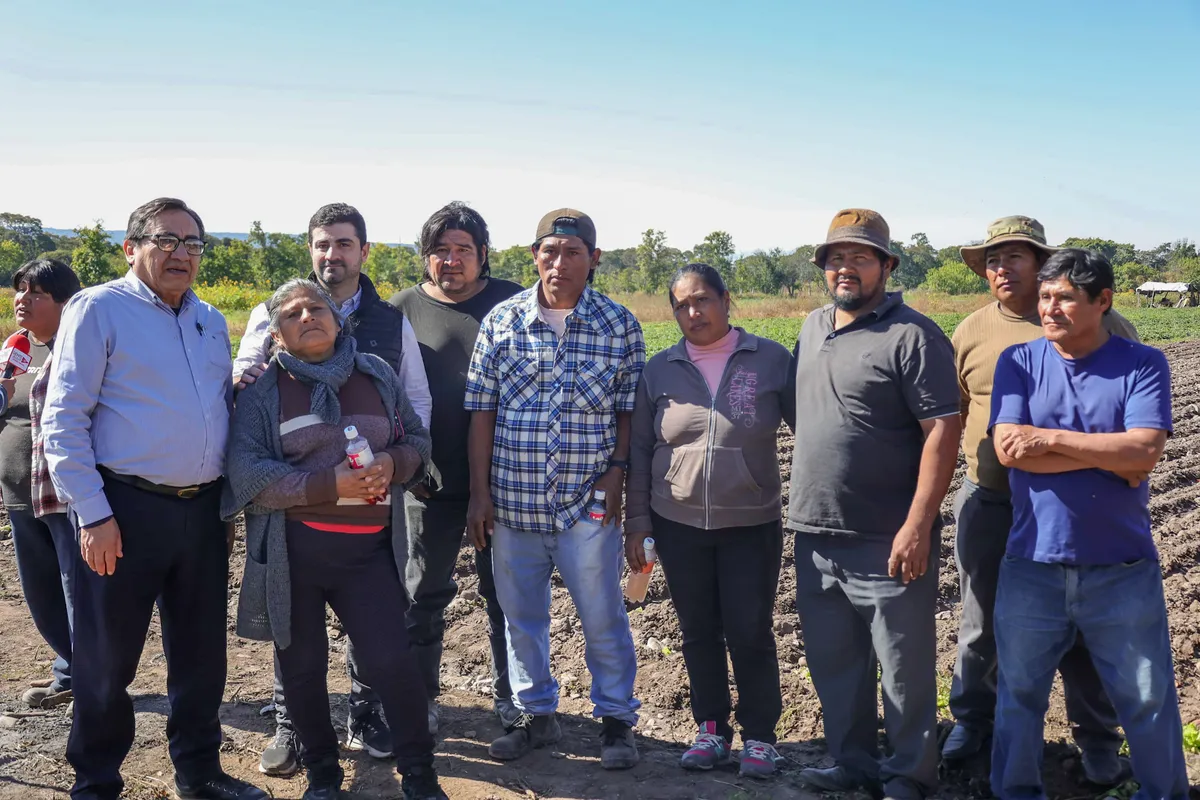 Jujuy promotes an agriculture model that reduces the use of chemical inputs. Photo: Somos Jujuy.
Benefits of chemical-free crops
Agroecological crops, free of synthetic chemical inputs, promote a healthier and safer food production. By avoiding pesticides and artificial fertilizers, the exposure to toxic substances is reduced for both consumers and producers, favoring a more natural and less polluting diet.
Additionally, these methods contribute to the recovery and conservation of soils. Through the use of compost, bocashi, and other bioinputs, soil structure is improved, microbial biodiversity is increased, and erosion is prevented, leading to a more resilient and long-lasting agriculture over time.
From an environmental perspective, the exclusive use of natural inputs significantly reduces water source contamination, protects pollinators, and fosters ecological balance in productive ecosystems. All of this translates into a more sustainable and harmonious agricultural model with nature.


