



In Argentina, the management of hazardous waste faces a critical environmental problem. According to the latest report from the Hazardous Waste Observatory created by the UBA and the UNR, between July 2024 and June 2025, almost 20 million tons of waste were generated, but only 5.57% received adequate treatment. This amounts to just 1.08 million tons treated annually.
The data reflects a structural debt: more than 252,000 companies generate waste, but only about 31,500 hire treatment services, that is, 12.48% of the total.
The Observatory: an unprecedented tool
In the absence of official statistics, the Observatory was created in 2021 through an agreement between the UNR, the UBA, and the business chambers Catries and Caitpa. Its objective is to quantify with concrete data and scientific rigor an invisible problem.
The organization produces bi-monthly and annual reports. The results show that hazardous waste treatment rarely exceeds 8%, and in some periods drops to 4%. The national average is around 5%.
The methodology includes anonymous surveys of 47 treatment plants throughout the country, whose data is integrated into a statistical model that allows extrapolating the information at the national level.
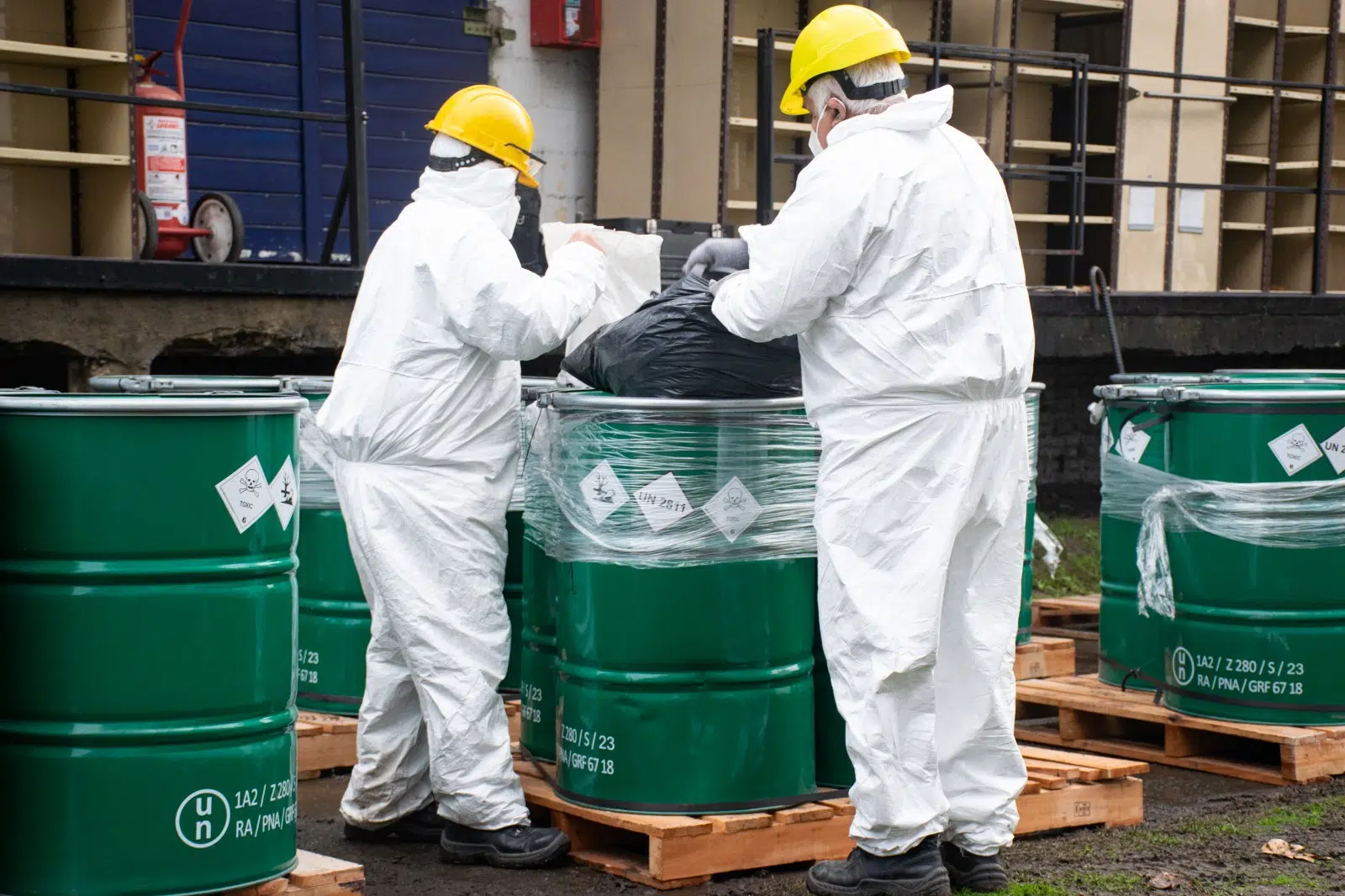
The magnitude of the problem
According to Matías De Bueno, Secretary of Environment of the UNR, the big question is where the 95% of untreated waste ends up: “they are in the rivers, in the air, on the land, in pits and dumps. They are poisonous, polluting, and severely affect health, the environment, flora, fauna, and people.”
The 2025 report shows a sharp drop in the treatment rate, which fell to 6% in the first semester, mainly due to the exit of small and medium-sized enterprises from the system. The number of contracting SMEs fell by 30% in six months.
Consequences and challenges
Poorly managed hazardous waste generates environmental and social costs that are not borne by companies, but by society as a whole. Among the most serious impacts are:
- Pollution of rivers and soils.
- Toxic emissions into the air.
- Risks to public health.
- Affecting flora and fauna.
To reverse this situation, specialists point out the need to:
- Increase controls and traceability.
- Analyze province by province what waste is produced and how it is managed.
- Regulate existing norms, such as Law 25.612 and Law 13.959, still without effective application.
- Invest in treatment technologies and promote corporate responsibility.
The work of the UBA-UNR Observatory is essential to make visible and measure a problem that compromises the country’s environmental future. The data provides scientific evidence and institutional support to design concrete public policies that reduce the harmful impact of hazardous waste.



