



Climate change, along with the increase in pollution and loss of biodiversity, demands a rethink of how resources are used. In this scenario, initiatives like Buply, a brand of Buplasa, become relevant by demonstrating that plastic waste can be transformed into new useful products. The company solidified its proposal by obtaining the INTI-ECOPLAS certification, which endorses the manufacturing of articles made 100% from recycled materials.
The experience “Plástico que va, vuelve” was key to showing how waste can return to everyday life in the form of consumer goods. The journey reflected in practice the principles of the circular economy, where each stage — from responsible consumption to recycling — becomes part of a system that seeks to reduce the environmental impact.
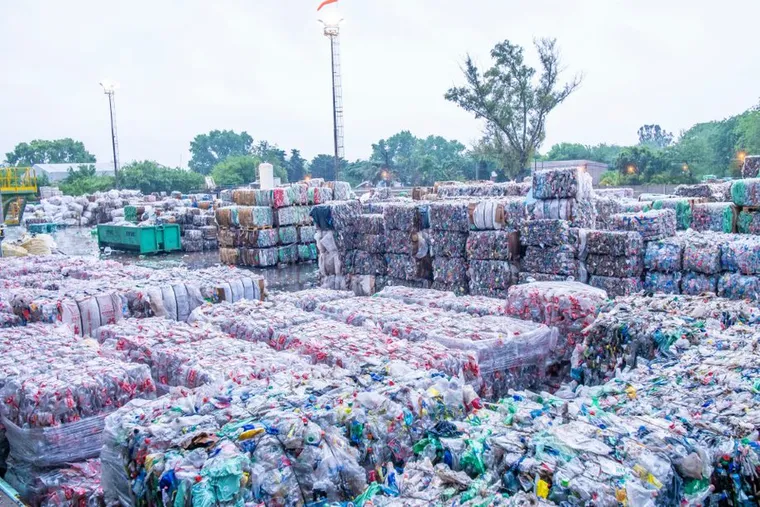
The process begins with active community participation. Neighbors bring their clean and dry plastics to the Buply Station at Unicenter, where they are received, weighed, and classified according to their type. Then, the materials are sent to recycling plants for processing, demonstrating that citizen collaboration is essential to keep this cycle in motion.
In addition to collection, the initiative has an app that allows users to record the kilograms contributed, calculate the positive environmental impact, and access educational data on recycling. To encourage participation, benefits are offered to those who sustain the practice over time, reinforcing the idea that individual habits can bring about collective changes.
From Waste to Resource: How the Model Works
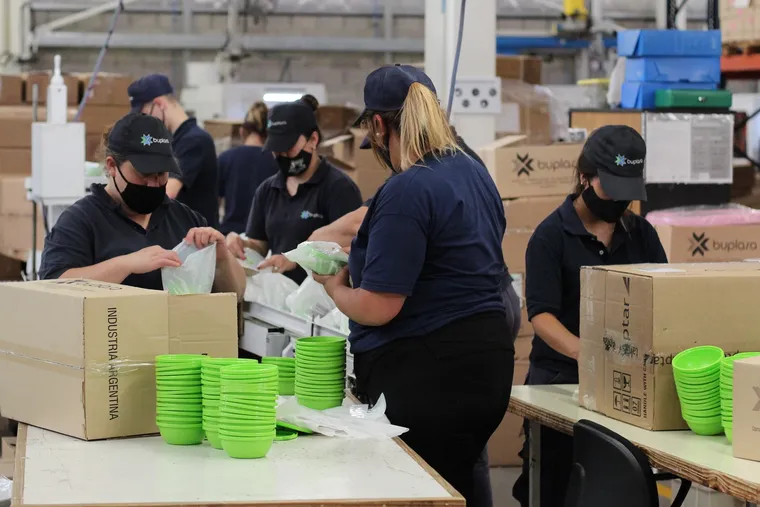
Once classified, the collected plastics reach companies like Ecopek, which processes over 12,000 tons of recycled PET per year. There, bottles and packaging are transformed into industrial inputs that are later turned into household products manufactured entirely from recycled material.
The process not only prevents thousands of tons of plastic from ending up in landfills but also reduces the extraction of natural resources. In the case of items intended for contact with food, bioplastics are used, enhancing the safety and sustainability of the proposal. When these products reach the shelves, they bear labels highlighting their environmental value, allowing consumers to choose more responsible options.
This model aims to close the loop: at the end of their useful life, recycled objects can return to collection stations, where they start the process again. Thus, waste ceases to be a problem to become a valuable resource, capable of reintegrating itself time and time again into the production chain.
What is the Circular Economy and How Does It Work?
The circular economy is a model that seeks to replace the traditional “take-make-dispose” scheme with one in which materials are maximally utilized. Unlike the linear economy, it proposes reducing waste through recycling, reuse, and redesign of products.
Its objective is to extend the lifespan of resources, reduce pressure on ecosystems, and decrease emissions associated with industrial production. In the case of plastic, it involves collecting, processing, and reintegrating the material into the economy instead of burying or incinerating it.
Adopting this approach requires cooperation among companies, governments, and consumers. Every bottle, package, or item that returns to the cycle avoids the exploitation of new raw materials, generates employment in the recycling industry, and contributes to building a more sustainable future.


