



With the arrival of winter, and even more so in the midst of the polar cold wave in Argentina, many families are looking for efficient ways to keep the house warm.
This without increasing energy consumption, nor relying exclusively on traditional heating.
The good news is that there are many ways to ensure that the heat stays inside the home, safely and sustainably. In this article, we provide you with 10 key tips.
Polar cold wave in Argentina: 10 tips to keep your home warm without wasting energy
Given the context of extreme cold, these 10 tips will be essential to keep your home warm in winter.
Furthermore, you will not stop prioritizing caring for the environment, thermal comfort, and saving energy consumption.
-
Make the most of sunlight
During the day, open the curtains to let the sun in and naturally heat up the rooms. At night, close them to retain that heat and block out the cold from outside.
2. Reinforce thermal insulation
Another point to consider is that drafts can make heat escape quickly. Therefore, you can use weatherstripping on doors and windows, hang thick or thermal curtains, and add rugs to insulate cold floors.
 Polar cold wave in Argentina: Can it snow in Buenos Aires?
3. Close off rooms you’re not using
Keeping the doors of unused rooms closed is essential. This allows concentrating the heat in inhabited spaces and prevents energy waste.
4. Ventilate strategically
It’s important to renew the air to prevent humidity and maintain healthy environments. Open windows for 10 to 15 minutes in the morning to achieve efficient ventilation without cooling the house.
5. Use heating efficiently
Opt for appropriate stoves or heaters according to the size of your home. In small spaces, electric or infrared panels can be a good option. In all cases, ensure good ventilation and control the use of gas or electricity.
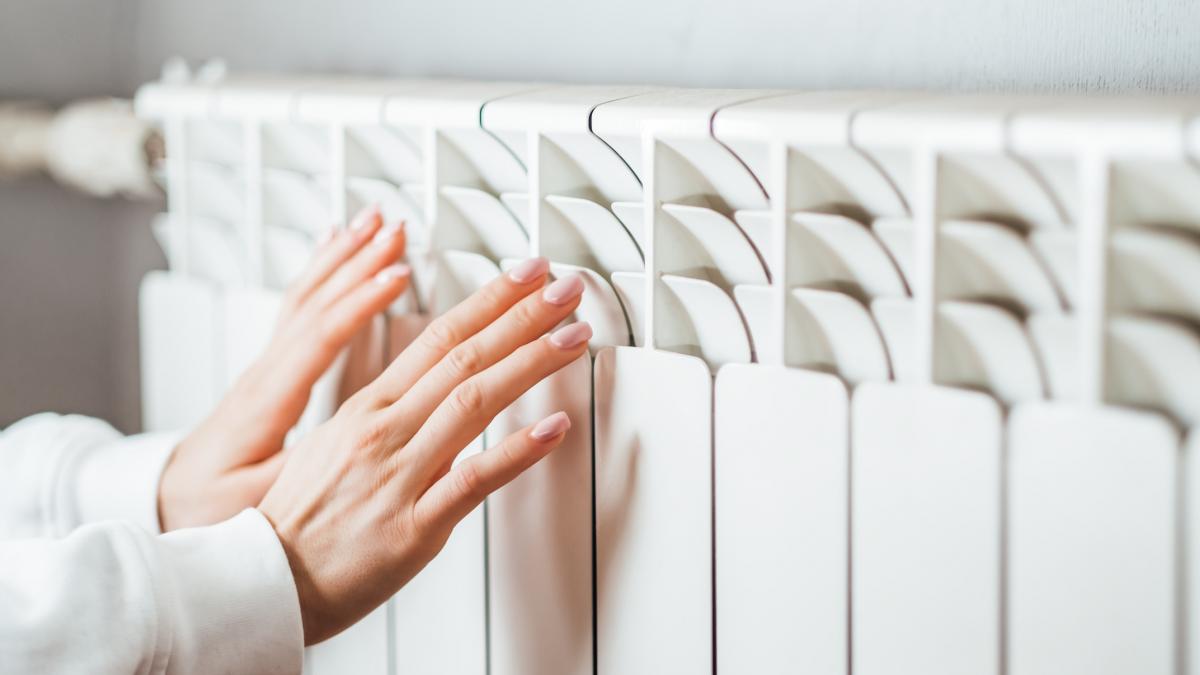 How to keep your home heated.
6. Dress appropriately
Wearing multiple layers of clothing, thick socks, and blankets is a simple way to reduce the need for heating. Personal thermal comfort also contributes to energy savings.
7. Seal cracks and leaks
Another important point is to check for small cracks in ceilings, walls, or windows that can cause significant heat loss.
Seal those spaces to better conserve indoor temperature.
8. Cook at home and use the heat
In addition to preparing homemade meals, using the oven or stove generates residual heat that can help warm up the rooms (always with good ventilation and safety).
9. Invest in sustainable technology
If you are looking for a long-term solution, alternatives such as solar thermal panels, solar water heaters, or biomass heating are ideal for reducing dependence on fossil fuels.
 Investing in efficient technology and renewable energy is always a bet for the future.
10. Close the curtains at night
By closing the curtains, you create an additional thermal barrier that helps retain heat and block the cold from entering through the glass.



