



During the summer, the body faces higher temperatures and greater fluid loss. Therefore, nutrition plays a central role in maintaining hydration and nutritional balance.
Additionally, choosing the right foods helps to prevent fatigue, heat strokes, and dehydration. Thus, eating well becomes a daily care strategy.
In this context, fruits, vegetables, and light preparations gain prominence. It’s not just about drinking water, but about incorporating water through foods.
Fresh fruits: water, vitamins, and natural energy
Summer fruits are direct allies against the heat. Watermelon, melon, strawberries, oranges, and peaches contain more than 85% water. Thus, they hydrate while providing vitamins and antioxidants.
Additionally, their potassium and magnesium content helps replenish minerals lost through sweating. Therefore, they are ideal to consume throughout the day.
Moreover, their natural sweetness reduces the consumption of ultra-processed products. Thus, they improve hydration without overloading the body.
Raw and light vegetables: freshness that nourishes
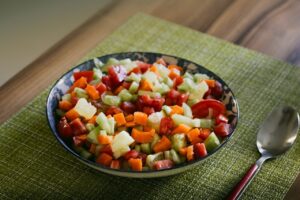
Vegetables also play a key role in the summer diet. Cucumber, tomato, lettuce, arugula, and celery provide water, fiber, and micronutrients. Additionally, they facilitate digestion on hot days.
Incorporating them raw or barely cooked allows for preserving their properties. Therefore, fresh salads become the stars of the daily menu.
Furthermore, combining them with vegetable oils enhances the absorption of vitamins. This way, the dish becomes complete and balanced.

Light proteins and whole grains: energy without excess
During the summer, the body needs energy, but without heavy meals. Therefore, light proteins such as fish, chicken, eggs, and legumes are recommended.
These foods help to maintain muscle mass and satiety. Additionally, when combined with whole grains like rice, quinoa, or oats, they provide sustained energy.
Thus, the feeling of fatigue associated with heavy meals is avoided. The key is in moderate portions and simple preparations.
Beverages and preparations that add hydration
Beyond water, there are options that reinforce hydration. Natural juices, smoothies, and flavored waters with fresh fruits are healthy alternatives. This way, the consumption of liquids without added sugars is increased.
Also, natural yogurts and cold soups, like gazpacho, provide water and nutrients. Additionally, they are refreshing and easy to digest.
In conclusion, a diet rich in fruits, vegetables, light proteins, and whole grains allows you to go through the summer with greater well-being. Thus, each meal becomes a tool to hydrate, nourish, and take care of health.



