



In the heart of the Atacama Desert, the extraction of lithium advances at the pace of global demand for electric vehicle batteries and renewable technologies. But this progress comes at a cost that is already being felt in Andean communities: water scarcity, flora dying, and migratory birds ceasing to reproduce.
Lithium mining in Chile is concentrated in salt flats, large deposits of underground brine rich in minerals. Its extraction requires pumping large amounts of water, raising concerns about the environmental impact in a region already affected by drought.
Local residents report that since the start of this activity, the water table has dropped, wetlands have dried up, and species like flamingos have seen their populations reduced due to lack of food. Biodiversity and the ancestral way of life are being altered.
The Chilean government is promoting a national strategy to increase production, while promising to incorporate less harmful technologies. However, many inhabitants fear that their territories will become natural laboratories and that the long-term impacts will be irreversible.

Green extraction: Is it really possible?
Companies claim to be working on methods of lower impact, such as technologies that allow for the recovery of evaporated water or extracting lithium without using evaporation ponds. Although some pilot tests have shown results, their massive implementation is not yet a reality.
Communities demand deeper social impact assessments, participation in decision-making, and respect for environmental balance. They point out that distributing economic benefits is not enough if the environment is degraded and their ways of life are threatened.
This conflict reflects a global contradiction: lithium is essential for decarbonizing the economy, but its extraction can seriously harm fragile ecosystems if not managed with responsibility and environmental justice.
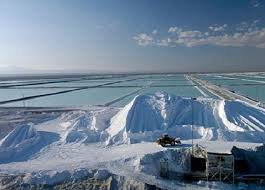
Environmental impact of lithium extraction
The exploitation of lithium in salt flats like the Atacama involves removing brine from underground, which alters underground water flows. This brine takes centuries to form and is key to maintaining moisture in wetlands and lagoons.
The reduction in available water directly affects endemic species like the Andean flamingo and weakens native vegetation, such as algarrobo trees, which have shown signs of deterioration since 2013. This has repercussions on the food chain and the livelihoods of local communities.
Additionally, extraction involves transportation, water evaporation, and chemical waste that can contaminate the environment. Although lithium plays a leading role in the energy transition, its extraction is still not an activity free of environmental consequences. The urgency lies in balancing development with conservation.


