



Since 2008, the Global Handwashing Day is celebrated every October 15 with the support of organizations like UNICEF and WHO, driven by the Global Public-Private Partnership for Handwashing with Soap.
The goal is clear: to promote handwashing as an essential practice for public health, especially in contexts of health vulnerability.
Handwashing: when and why
An everyday action that reduces infections and improves quality of life.
Handwashing with water and soap is one of the most effective and economical ways to prevent diseases such as:
- Diarrhea: 30% reduction
- Acute respiratory infections: 20% reduction
- Child deaths from infections: 27% reduction
According to the PAHO, 88% of diarrhea cases are attributed to poor water or sanitation, which underscores the importance of this practice.
Key moments for handwashing:
- Before eating or preparing food
- After using the bathroom
- After coughing, sneezing, or caring for someone sick
- After touching garbage or contaminated surfaces
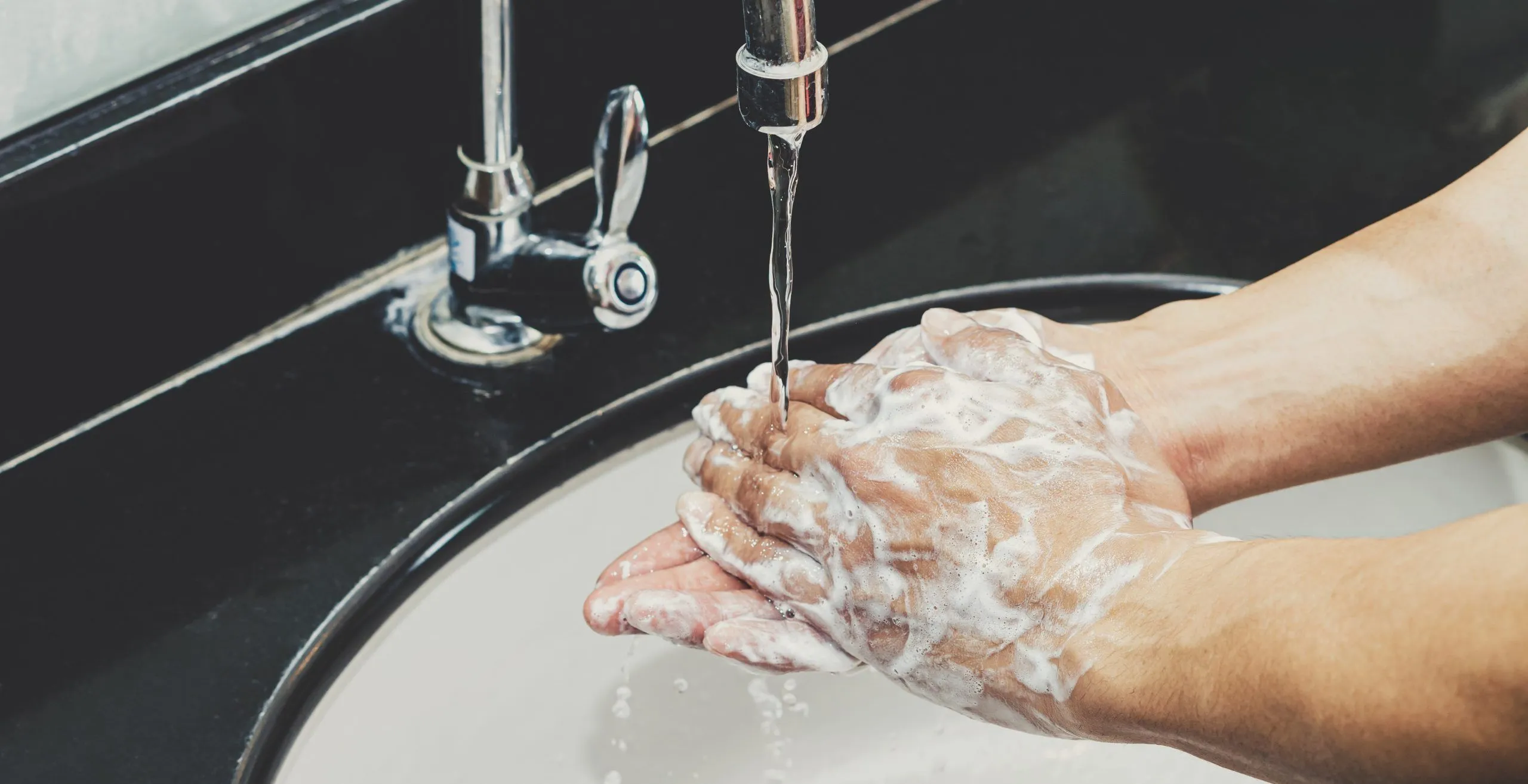
How to wash your hands correctly?
Simple steps for effective and responsible hygiene.
- Wet your hands with clean water
- Turn off the tap while applying soap
- Rub all surfaces for at least 20 seconds
- Rinse with clean water
- Dry with a clean towel or air dry
During the pandemic, multiple tutorials were disseminated, but reaffirming these habits remains key for prevention.
Water: vital and limited resource
Each person consumes more than a million liters per year, but millions still lack access to potable water.
Although 70% of the planet is covered with water, only a small fraction is suitable for human consumption. Much of the freshwater is frozen or in deep aquifers, and scarcity affects millions of people worldwide.
A 10-minute shower can consume up to 100 liters, while handwashing requires only 3 liters. The difference lies in how we use water.
Sustainable habits to care for water
Small everyday actions that generate great impacts:
- Turn off the tap while soaping
- Repair leaks in faucets and pipes
- Reuse water for irrigation or cleaning
- Use only the necessary water for each activity
Caring for water is a shared responsibility, and every gesture counts to protect the environment and ensure equitable access.


