



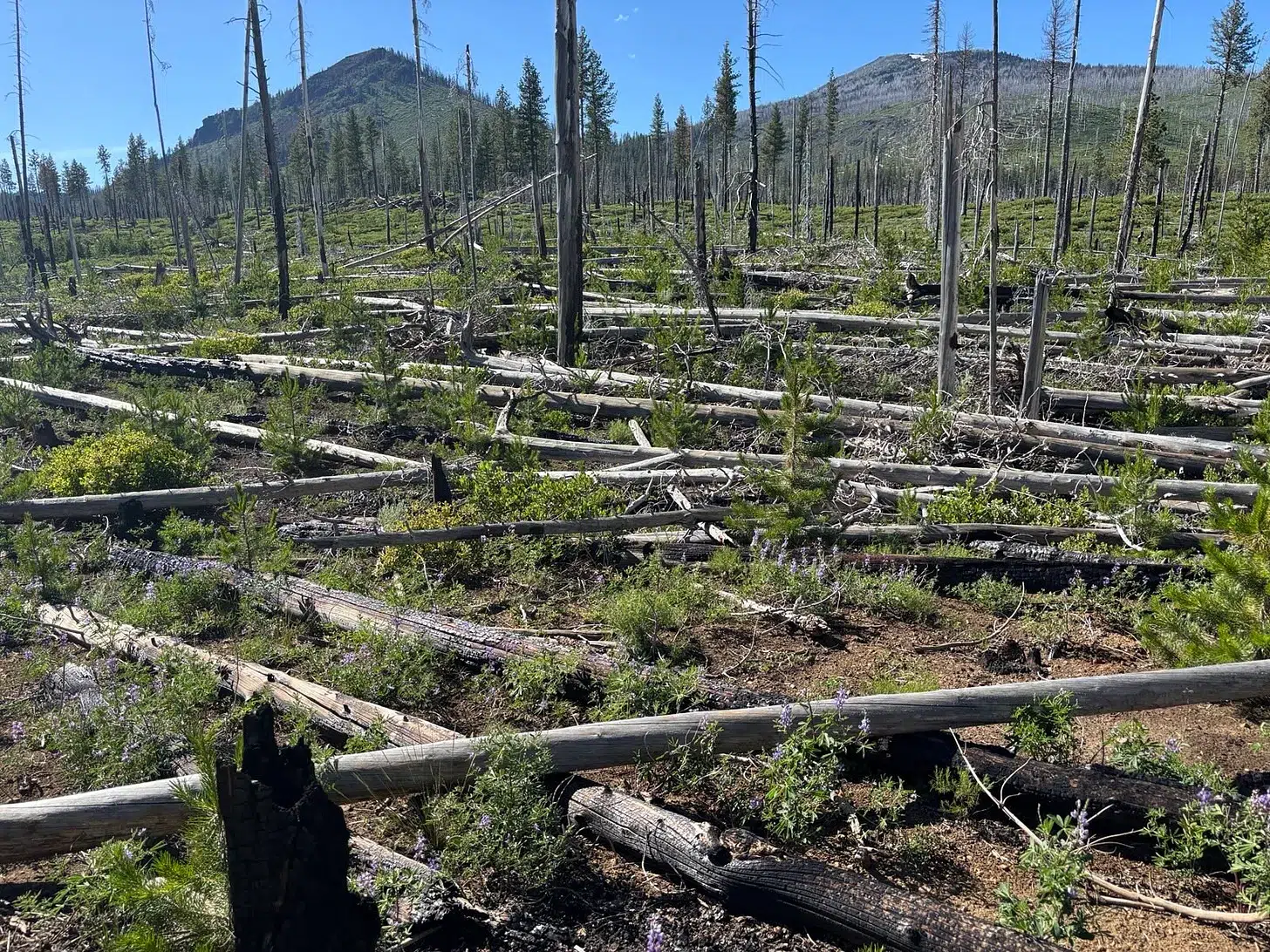
Between 2015 and 2025, South America lost more forests than any other region on the planet, with an estimated disappearance of 41 million hectares (4.1 million per year). According to a report by the UN, the region accounts for the largest global net loss, despite international commitments to halt deforestation by 2030.
The loss includes more than 10 million hectares of primary forests, ancient and dense ecosystems that are irreplaceable for their ability to store carbon, support biodiversity, and regulate the climate.
Primary forests: an irreplaceable value
A primary forest is not just a collection of old trees:
- It stores more carbon than young plantations.
- It supports greater biodiversity.
- It better regulates water.
- It is more resistant to droughts, fires, and pests.
Although reforestation can statistically compensate for the loss, it does not reproduce the ecological richness or carbon storage capacity of these ecosystems.
Drivers of deforestation
The report identifies the main causes as:
- Agricultural expansion: demand for food, livestock, and commercial crops.
- Urbanization and infrastructure: population growth and development projects.
- Climate change: fires, droughts, heatwaves, and pests affecting even stabilized regions.
Financial and political gaps
Global funding for sustainable forest management reached 84 billion dollars in 2023, far below the 300 billion annually needed by 2030. The lack of resources is especially critical in low and middle-income countries, where forests face greater economic pressures.
Moreover, the goal to increase global forest area by 3% by 2030 remains off track. Of the 26 forest targets evaluated, only seven are on track; reversing forest loss and eradicating extreme poverty among communities dependent on them remain far from being achieved.
Warning signs
The report warns that the global terrestrial carbon sink fell in 2023 to its lowest level in two decades, indicating that some ecosystems are losing their capacity to absorb emissions. This compromises the role of forests as allies against climate change.
Progress and hopes
Not everything is negative:
- More protected areas and better monitoring systems.
- Forest restoration programs in countries like Brazil, Chile, Colombia, and Costa Rica.
- Reforms recognizing the role of Indigenous Peoples and local communities in Mexico, Bolivia, and Guatemala.
- Integration of forests into climate and development strategies in different regions.
South America faces a critical challenge: stopping deforestation and protecting its primary forests, essential for biodiversity and the global climate. Although there are advances in restoration and policies, the gap between commitments and reality remains enormous.
The region, which accounts for the largest forest loss on the planet, needs to strengthen financing, governance, and community participation to reverse this trend before 2030.



