



The sand, a key material for modern development, is present in the concrete of cities, in the glass of skyscrapers, in the asphalt of highways, and in coastal walls facing the rising sea levels.
However, a new report from the UN warns that massive sand extraction is destabilizing rivers, eroding coasts, and damaging biodiversity, weakening the ecosystems that protect communities against climate change.
Magnitude of the problem
- Each person uses on average 18 kg of sand per day.
- Global demand tripled between 2000 and 2020.
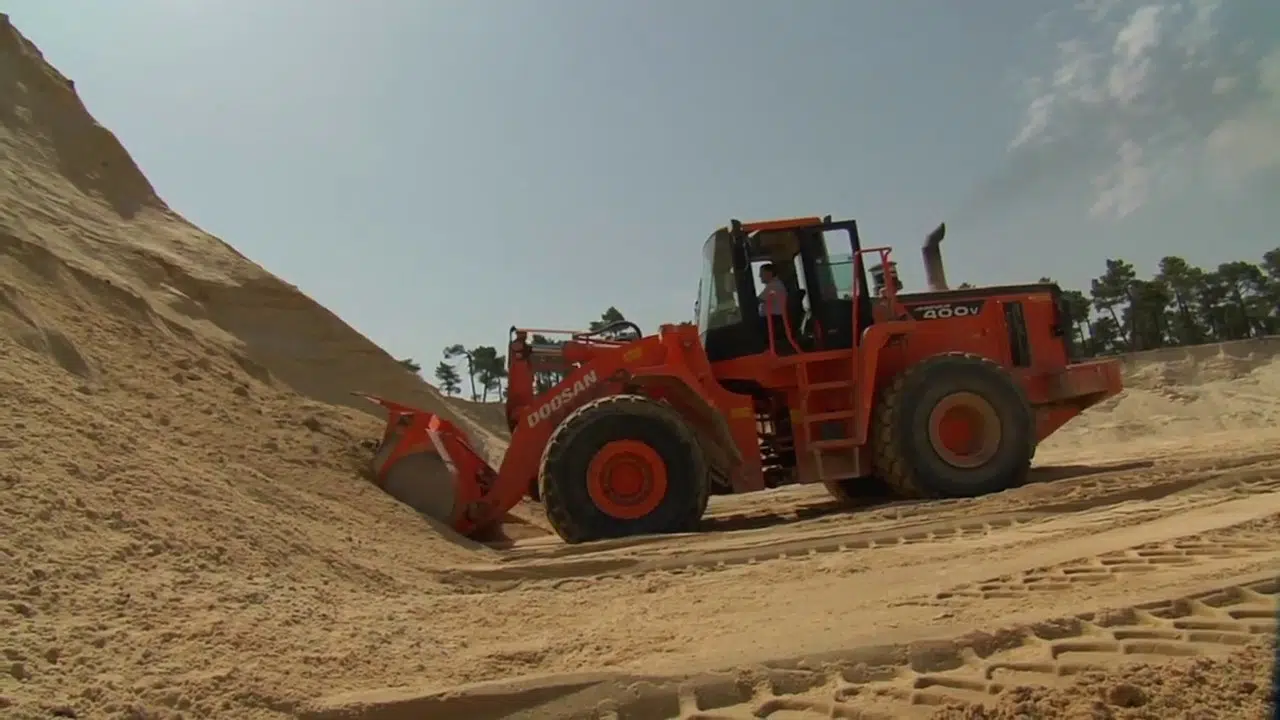
- Around 50 billion tons are extracted per year, enough to build a 27-meter high and wide wall around the equator.
- Since 2020, the weight of human infrastructure surpasses that of all the living biomass on the planet.
Environmental impacts
Excessive extraction causes:
- Deepening of rivers.
- Subsidence of deltas.
- Reduction of beaches.
- Saltwater intrusion into aquifers.
Sand fulfills vital functions: regenerating beaches, stabilizing coasts, filtering water, and supporting habitats for fish, birds, and turtles. Once turned into concrete or asphalt, it is removed from natural systems.
Regional examples
- Trinidad: loss of native vegetation essential for pollinators.
- St Kitts & Nevis: alteration of marine turtle nesting areas.
- Jamaica: degradation of seagrass beds and coral systems, accelerating coastal erosion.
In freshwater ecosystems, sandy beds and dunes support fish, amphibians, and migratory birds, as well as promote the growth of mangroves and seagrasses.
Responses and alternatives
Some countries are beginning to rethink their approach:
- Colombia: classified sand, gravel, and clay as strategic minerals in 2023.
- Brazil (Minas Gerais): promotes the use of mineral sand, a byproduct of mining processing that reduces pressure on rivers and coasts.
The UN report recommends:
- Strengthening environmental monitoring.
- Increasing transparency in extraction permits.
- Promoting recycling and alternative materials.
- Abandoning procurement practices based solely on the lowest cost.
Monitoring technology
UN researchers have developed a platform that uses satellite data and artificial intelligence to track marine dredging vessels. Preliminary results show that 15% of these activities occur within protected marine areas, exacerbating the ecological impact.
Sand can no longer be treated as a mere construction material. It is a strategic resource linked to biodiversity, water security, and climate resilience. Recognizing its ecological value and regulating its extraction is essential to protect coastal communities and ecosystems against the challenges of climate change.



