



In the locality of El Chaltén, a community call seeks to halt the deterioration of trails in the Los Glaciares National Park. The proposal aims to intervene in critical sectors affected by erosion and intensive use.
In particular, the section between Laguna Capri and Río Blando shows significant wear. Therefore, the initiative is organized alongside the National Parks Administration, with technical support and citizen participation.
In this way, the aim is not only to restore the trail but also to raise awareness about the care of these fragile environments.

Concrete actions to recover the original trail
The planned tasks include cleaning drains to prevent water accumulation. Likewise, work will be done on the blocking of alternative trails that exacerbate the environmental impact.
On the other hand, the path will be restored by repositioning stakes and removing loose stones. These actions will allow for improved transitability and reduced wear.
Additionally, the installation of appropriate signage and waste collection are planned. Together, these measures aim to organize the use of the natural space.
A problem exacerbated by lack of maintenance
The deterioration of the paths is not recent, but it has intensified in recent months. Consequently, the absence of maintenance brigades left sectors without periodic intervention.
Historically, these tasks were carried out every six months, which allowed for the preservation of the paths’ condition. However, the lack of specialized personnel has generated a visible impact.
In this context, the participation of volunteers emerges as a response to an urgent need for conservation.
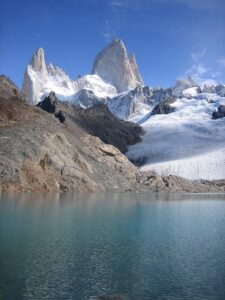
Causes of erosion on mountain trails
The erosion observed in the area is due to multiple factors that interact with each other. Firstly, the rain and meltwater tend to accumulate in the lower areas of the terrain.
As a result, the trails become natural channels through which water flows. This accelerates soil wear and deepens the original trail.
On the other hand, the constant traffic of visitors compacts the terrain and hinders water absorption. Consequently, it increases surface runoff and degradation.
Additionally, when hikers avoid wet areas, they create alternative paths. This practice expands the impact on the native forest and fragments the ecosystem.
Finally, factors such as slope, soil type, and extreme weather conditions intensify the erosive process in mountain environments.
Responsible tourism and long-term conservation
The growth of tourism in El Chaltén has increased pressure on its trails. Therefore, it is crucial to promote responsible practices among visitors.
In this regard, respecting the marked trails and avoiding detours is essential to reduce impact. Likewise, environmental education plays a central role in conservation.
Finally, these collective actions allow for the protection of one of Argentina’s most emblematic landscapes. The restoration of trails not only enhances the tourist experience but also safeguards biodiversity and ecological balance.



