



In an unprecedented decision, Greece announced the creation of two large marine protected areas, located in the Ionian Sea and the Southern Cyclades. The measure makes the country the first in Europe to completely ban bottom trawling fishing in its marine protected areas.
This practice, considered highly destructive to underwater ecosystems, will be gradually phased out by 2030. The announcement aligns with a commitment made at the United Nations Conference on the Oceans held in France.
The new marine reserves will not only expand the ocean surface under protection, but also mark a paradigm shift in the management of the Mediterranean Sea. The selected areas concentrate significant biodiversity and are crucial for species reproduction.
With over 13,600 kilometers of coastline and hundreds of islands, Greece takes on a central role in marine conservation in Europe. The strategy aims to turn these areas into sustainable models that ensure ecological balance and responsible economic activity.
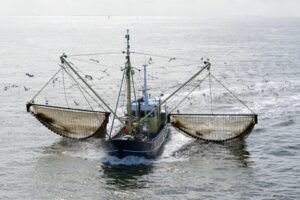
A Model for the Region
Greece is joining other countries like Brazil and Spain, who also announced new marine reserves and restrictive measures against trawling fishing during the international conference. The common goal is to achieve 30% global marine protection by 2030.
The Greek initiative includes stricter surveillance, digital vessel monitoring, and the development of alternative fishing practices. Additionally, it aims to promote ecotourism and the involvement of coastal communities in area management.
These policies aim to preserve the marine natural heritage, curb biodiversity loss, and adapt to climate change. The biological richness of the Eastern Mediterranean, of which Greece is a key custodian, faces increasing pressures from overfishing and pollution.
The drive towards a healthier sea involves investments, international dialogue, and an approach that balances production and conservation. The new protected areas could be the beginning of a regional network of safe zones for marine life.
 Greece bans trawling fishing. Photo: Google Maps.
Bottom Trawling: Silent Damage
Bottom trawling fishing involves dragging huge nets across the seabed, destroying everything in its path. This technique affects not only target species but also habitats like reefs and seagrass meadows.
Among the most serious environmental consequences are the destruction of seafloors, massive capture of unwanted species (bycatch), and the release of carbon trapped in sediments. This contributes to global warming.
Moreover, trawling fishing reduces long-term fishery productivity and disrupts entire food chains. Prohibiting it in protected areas is a key step to restore ecosystems and enable the natural recovery of the seas.
Greece’s decision marks a turning point. Its commitment not only strengthens local ecosystems but also serves as an example for other coastal nations facing the dilemma between conservation and development.


