



Ten years after its publication, the encyclical Laudato Si’ by Pope Francis, issued on May 24, 2015, continues to be a driving force in the global conversation on the environment and social justice.
Originally conceived as an urgent call to humanity to reconsider its relationship with nature and economic systems, the document warned about the interconnected crises of environmental degradation and social injustice. Today, within the framework of Jubilee 2025, Francis’s vision expands, connecting the ecological emergency with the growing crisis of debt suffocating peoples and governments.
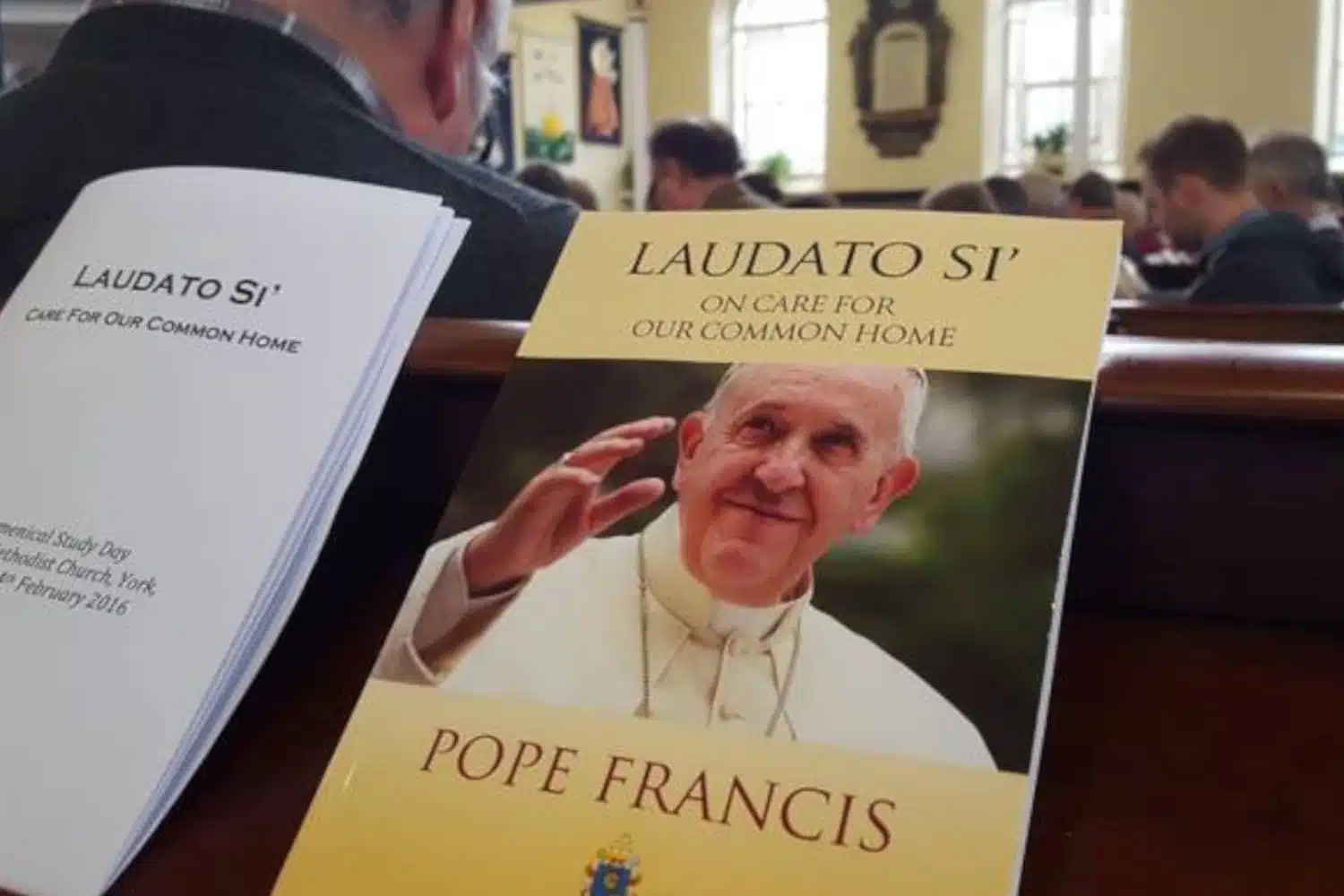
Pope Francis framed Laudato Si’ as a “cry of the Earth and the cry of the poor.” The document was not just a theoretical reflection but a “call to urgent action“. It delved into “integral ecology,” a concept that merges the environmental, economic, cultural, and social dimensions into a single moral vision.
This means that nature care cannot be separated from caring for the most vulnerable. The encyclical criticized modern consumerism and technocracy, as well as economic systems that “exploit both people and the planet.” Additionally, the Pope firmly aligned the Church with the scientific consensus on climate change, pointing to human activity, especially the burning of fossil fuels, as the main cause of global warming.
Impact on the Church and Geopolitics
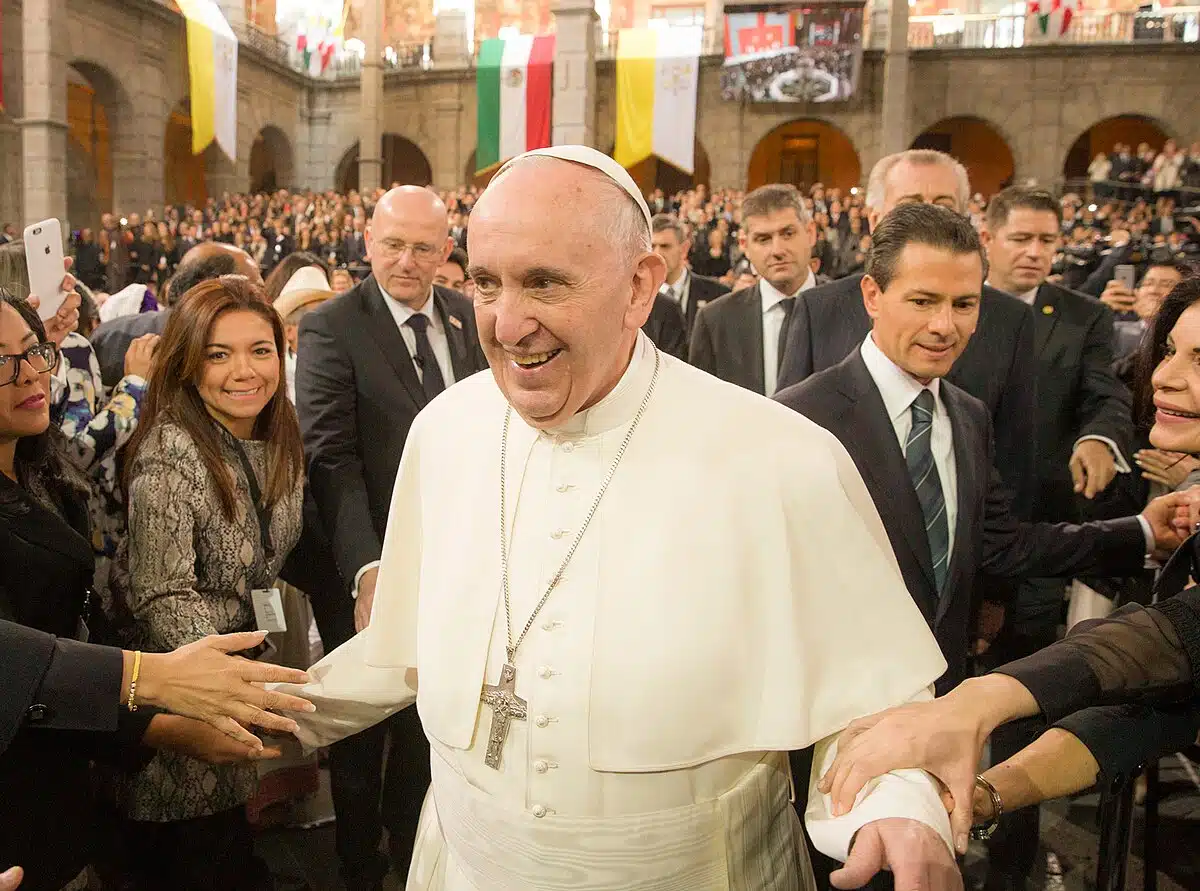
The reception of Laudato Si’ within the Catholic Church has been significant, though uneven. Institutionally, the encyclical propelled the adoption of its principles as a guiding framework in episcopal conferences, dioceses, and Catholic development agencies. The Vatican established the Dicastery for Promoting Integral Human Development to coordinate efforts for environmental, social, and economic justice.
For laypeople, especially in the Global South, Laudato Si’ provided legitimacy to their struggles for environmental and social justice, becoming a common ground against mining, deforestation, and water privatization.
The document also deepened the Church’s commitment to the global youth, resonating the language of “intergenerational justice” with movements like Generación Laudato Si’ and Fridays for Future.
In the political and diplomatic arena, the timing of the publication of Laudato Si’ was strategic. It was released in June 2015, months before the crucial COP21 in Paris, aiming to influence the negotiations of the Paris Agreement in December.
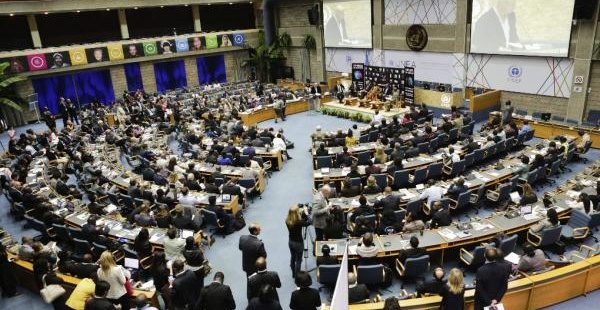
The encyclical was cited by heads of state and negotiators, and the then Secretary-General of the United Nations, Ban Ki-moon, considered it a crucial contribution to climate talks. By elevating the climate crisis from a technocratic challenge to an issue of ethics and justice, and by using the concept of “ecological debt”, the document legitimized the demands for equity and climate financing from vulnerable nations. The Vatican, with its unique status, acted as a “bridge builder” in multilateral forums.
From the Cry of the Earth to the Jubilee of Hope
Almost a decade after Laudato Si’, Pope Francis has returned to these issues with even greater urgency in his 2024 papal bull, Spes Non Confundit (“Hope Does Not Disappoint“), the foundational text of the 2025 Jubilee Year. These two texts form a continuum, encompassing a decade of growing planetary distress and calling for a radical reorientation.
The tradition of the Jubilee, invoking debt forgiveness and the restoration of the Earth, is reclaimed by Francis as a contemporary framework to address today’s “dual injustices”: ecological collapse and systemic economic inequality. In Spes Non Confundit, the Pope established an explicit link with Laudato Si’, describing ecological debt and financial debt as “two sides of the same coin that mortgage the future“.
Pope Francis has used his diplomatic platform to prepare the Church and the world for a transformative Jubilee. In key speeches, he has consistently linked environmental destruction with unjust economic systems, calling for debt relief not as charity but as justice. This vision translates into concrete geopolitical demands: debt relief, reform of climate finance, and the establishment of a global fund to eradicate hunger and promote sustainable development.
Francis has positioned ecological debt at the heart of Jubilee 2025, framing it as a moral imperative. He underscores the systemic nature of exploitation by connecting ecological and external debts, and calls for global solidarity. In Spes Non Confundit, the most striking moral appeal is directed at the wealthiest nations, urging them to acknowledge the “ecological debt“ they have with the Global South, a legacy of centuries of exploitation of natural resources and labor.
The Vatican is expected to actively participate in key global


