



In the midst of the search for more sustainable and healthier homes, indoor plants have become unfailing allies. Not only do they elegantly decorate, but they also purify the air and connect people with nature. However, keeping them radiant can be quite a challenge.
An unexpected ally for caring for them can be found in the kitchen: white vinegar. Used in moderation, it turns into a natural remedy to strengthen plants, improve their environment, and keep them away from invisible threats like dust and pests.
A simple mixture of water and vinegar applied to the leaves helps them breathe better, optimizing the photosynthesis process. This basic care helps keep them greener and more active, especially in enclosed spaces where air circulates with less freedom.
Furthermore, its disinfectant effect acts as a gentle but effective repellent, ideal for those who prefer chemical-free methods in home care.
 Spraying the leaves with a little vinegar mixed with water will help keep the plants healthier. Photo: Unsplash.
The natural help plants needed
Beyond the effect on the leaves, vinegar has a direct action on the soil. By balancing the pH, it improves the quality of the substrate and helps eliminate residues and microorganisms that could harm the roots.
With acetic acid as its main component, this liquid solution also acts as a natural stimulant. Periodic application can accelerate the appearance of new shoots and give the leaves a brighter and healthier tone.
These types of practices are part of a growing trend towards the use of homemade and ecological alternatives. In times of environmental awareness, small gestures like this reflect a commitment to green life both inside and outside the home. With just a little vinegar, nature responds gratefully.
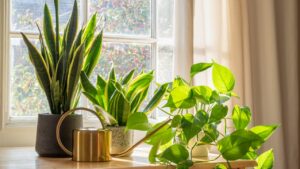 Thanks to vinegar, plants can be kept healthy and beautiful for longer.
An ally within reach
Vinegar, especially distilled white vinegar, is a widely valued ecological alternative for its multiple uses in the home and garden. Unlike industrial chemical products, it does not contaminate water or leave toxic residues, making it a safe ally for the environment. Its use helps reduce dependence on harmful synthetic substances.
From a health perspective, vinegar allows for keeping spaces clean without compromising indoor air quality. Thanks to its natural antimicrobial properties, it eliminates bacteria and fungi without negatively affecting the respiratory system, something essential in homes with children, the elderly, or pets.
Moreover, its application on plants not only promotes their growth and protection, but also improves indoor air quality by enhancing their purification capacity. Thus, vinegar emerges as an accessible and sustainable tool for those seeking a healthier and more balanced environment.


