



A study published in February 2026 by the custom packaging company Arka analyzed the environmental impact of celebrity-founded brands.
The report measured the carbon footprint of each company both per product sold and per dollar of revenue, in addition to evaluating their environmental policies, certifications, and ethical practices. The result was reflected in a Carbon Footprint Index (0-100), where higher scores indicate greater environmental damage.
The context is relevant: more than 55% of American consumers already check if products are eco-friendly before purchasing, making sustainability a decisive market factor.
The Row: the worst environmental performance
The luxury brand The Row, founded by Mary-Kate and Ashley Olsen, tops the list as the least sustainable. Each garment it sells emits more than 475 kg of carbon, about ten times more than traditional fashion brands. With just 22,000 products sold, the company generates more than 10,000 tons of emissions.
The luxury positioning explains part of the problem: high-end fashion requires more resources and intensive processes, which skyrockets its environmental footprint.
Other brands in the ranking
- Béis Travel (Shay Mitchell): ranks second with 65 kg of emissions per product. Its 90,000 units sold generate about 6,000 tons of carbon per year. Although it claims to be cruelty-free, it lacks certifications and scored the lowest in human sustainability.
- SKIMS (Kim Kardashian): third in the ranking, but with the highest total emissions: more than 136,000 tons annually. Its massive scale (20 million products sold per year) reduces the footprint per garment to less than 7 kg, but multiplies the global impact.
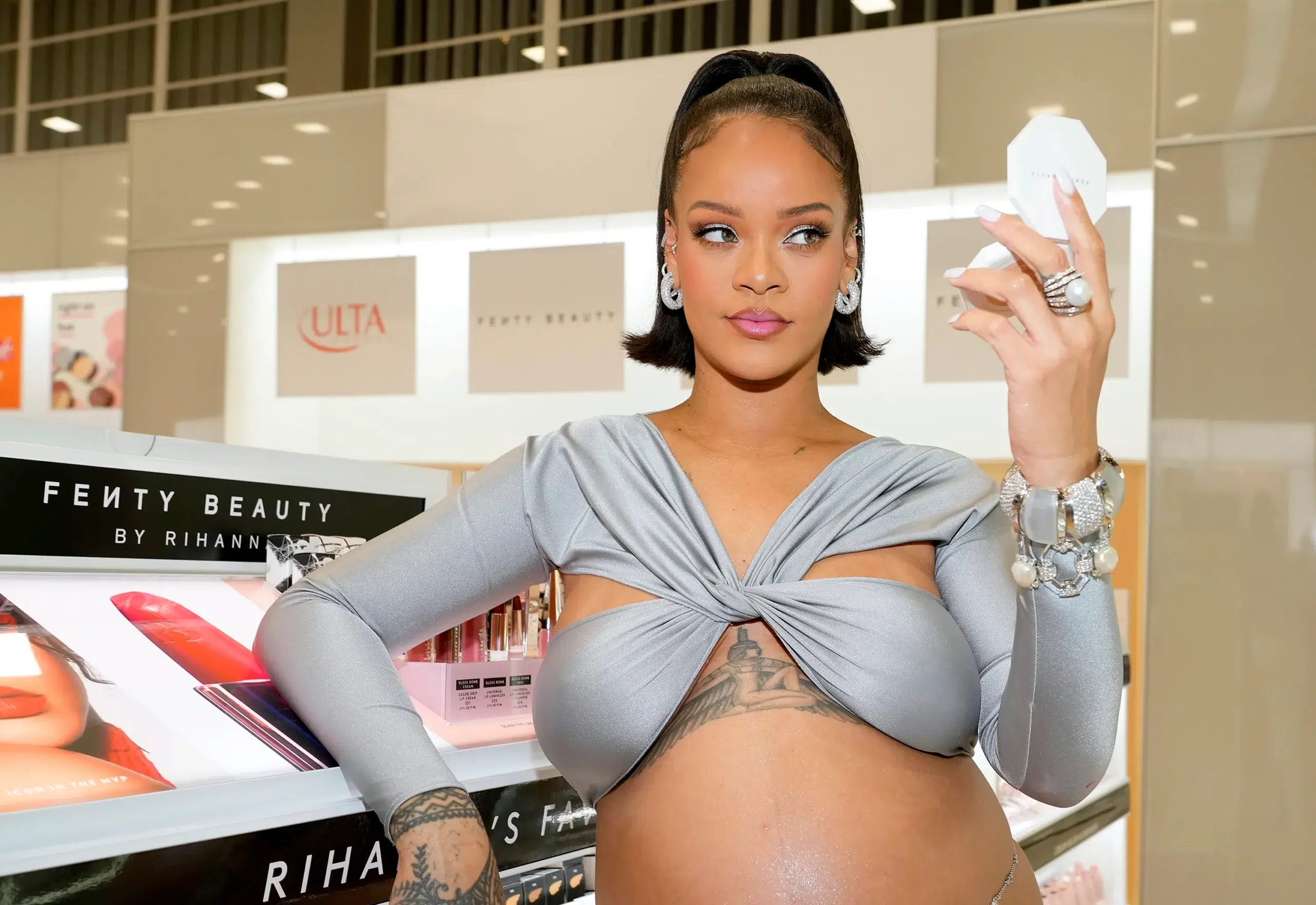
- Fenty Beauty (Rihanna): fourth position, with 4.4 kg of emissions per product and a total of 83,000 tons per year. Although makeup usually has a lower footprint than clothing, the brand shows weak environmental policies and lacks external certifications.
- Fabletics (Kate Hudson): fifth position, with 8.8 kg of emissions per product and more than 114,000 tons annually. Its large scale makes it one of the most polluting, despite surpassing the previous ones in sustainability.
The exception: Papatui
The beauty brand Papatui, by Dwayne Johnson, achieved the lowest carbon footprint in the study, positioning itself as the most sustainable among celebrity brands.
Study reflection
Arka’s sustainability consultant reminded that the textile industry produces 10% of global carbon emissions, more than all international flights and shipping combined. Although some brands have eliminated animal furs and leathers, environmental damage persists in supply chains and production processes.
The report emphasizes that celebrities, due to their influence and resources, should assume an unnegotiable environmental responsibility, betting on sustainable materials, transparency, and ethical practices.
The ranking shows that luxury and large-scale brands have disproportionate environmental impacts, while smaller and more conscious initiatives can make a difference. Social pressure and changing consumer habits are forcing celebrities to rethink their business models, in a market where sustainability is no longer optional.


