



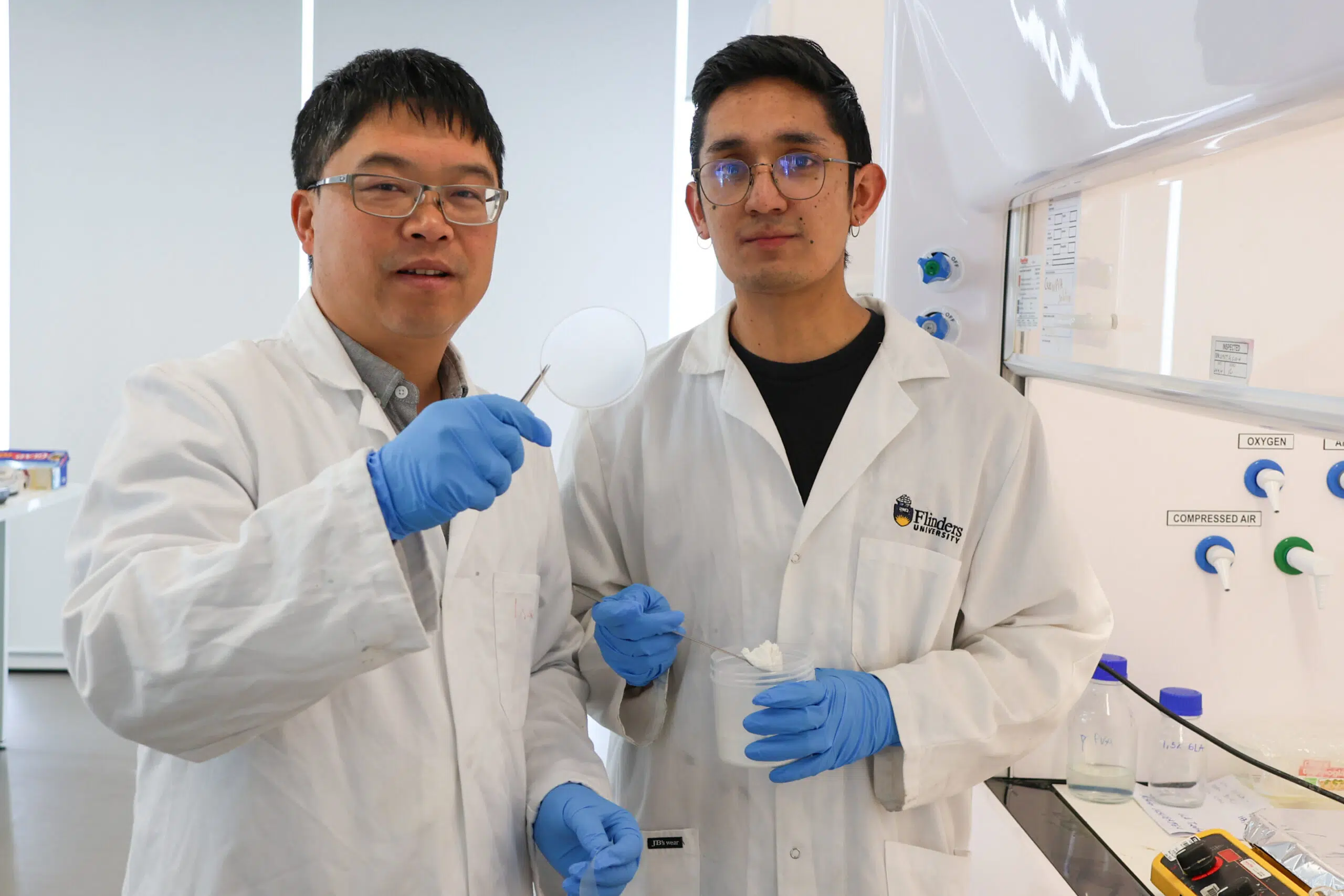
Investigators from Flinders University in Australia have developed a biodegradable plastic made from milk proteins that completely decomposes in soil in just 13 weeks.
The material combines calcium caseinate, modified starch, and natural bentonite nanoclay, along with glycerol and polyvinyl alcohol to enhance its durability and flexibility.
The aim is to offer an alternative to conventional single-use plastics, especially in food packaging, with a much lower environmental impact.
Properties and Tests
The film is thin, flexible, and designed to mimic the characteristics of traditional plastic. Tests showed that it degrades consistently under normal soil conditions, achieving complete decomposition in about 13 weeks.
Additionally, microbial evaluations confirmed that bacterial colony levels remain within acceptable limits, suggesting low toxicity. Researchers recommend conducting more antibacterial tests for future applications.
International Collaboration
The project involved scientists from the Universidad de Bogotá Jorge Tadeo Lozano in Colombia, such as Nikolay Estiven Gomez Mesa and Professor Alis Yovana Pataquiva-Mateus, who worked on developing new polymeric materials within the Nanobioengineering Research Group.
According to Gomez, the team began experimenting with caseinates to produce milk-based nanofibers and discovered they could be used to create polymers similar to common packaging materials. The integration of natural components like starch and bentonite improved the film’s strength and performance.
Global Context of Plastic Pollution
The development of biodegradable alternatives is urgent. The OECD warns that plastic production could increase by 70% between 2020 and 2040, surpassing 700 million tons annually.
Some key data:
- Plastic production increased from 2 million tons in 1950 to 475 million in 2022.
- 60% of plastics are single-use.
- Only 10% is recycled.
- Many plastics contain toxic additives, such as dyes and flame retardants, associated with health issues.
Potential Impact
The new biodegradable film could transform the food packaging industry, which is responsible for a large portion of single-use plastics. By integrating into the circular economy, this type of material would help conserve resources and reduce global pollution.
Professor Youhong Tang, project leader at Flinders, emphasized that finding sustainable alternatives for single-use plastic products is essential to curb the rise of pollution and move towards a cleaner future.
The milk protein-based biodegradable plastic represents a significant advancement in the fight against pollution. Its rapid decomposition, low toxicity, and potential to replace conventional plastics make it a promising solution for the industry and consumers.



