



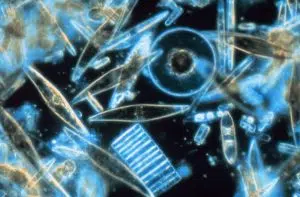
Arctic diatoms, also known as unicellular algae with outer glass walls, surprised science by demonstrating that they are not immobile or buried in extreme cold conditions as previously thought, according to a new study by Stanford.
The article published in Proceedings of the National Academy of Sciences highlights the importance of studying polar ecosystems before they disappear. These unicellular algae slide through frozen channels at record subzero temperatures, driven by mucous bands and molecular motors.
Research revealed that diatoms remain active even at -15°C, which is surprising. This temperature is the lowest ever recorded for the movement of a eukaryotic cell, a type of complex cell found in plants, animals, fungi, among others.
According to the study, it was also demonstrated that their movement, or skating, not only depends on low temperatures, but also on a combination of mucus and molecular motors.
How was the study conducted?
To reach this conclusion, researchers carried out a 45-day Arctic expedition in the Chukchi Sea aboard the research vessel Sikuliaq, owned by the National Science Foundation and operated by the University of Alaska Fairbanks.
Thanks to the use of microscopes developed by the Prakash Laboratory, the team managed to obtain images from inside the ice and document the activity of Arctic diatoms.
For the analysis, experts collected ice cores at 12 stations during the summer of 2023, from which they extracted diatoms to recreate their environments on a Petri dish, containing a thin layer of frozen freshwater and a very cold saltwater layer.
More information about Arctic algae
Arctic diatoms are unicellular microalgae that are an essential part of phytoplankton and sustain the marine food chain base. Their photosynthetic capacity converts solar energy into biomass, on which key species such as krill, fish, and ultimately Arctic marine mammals and birds depend.
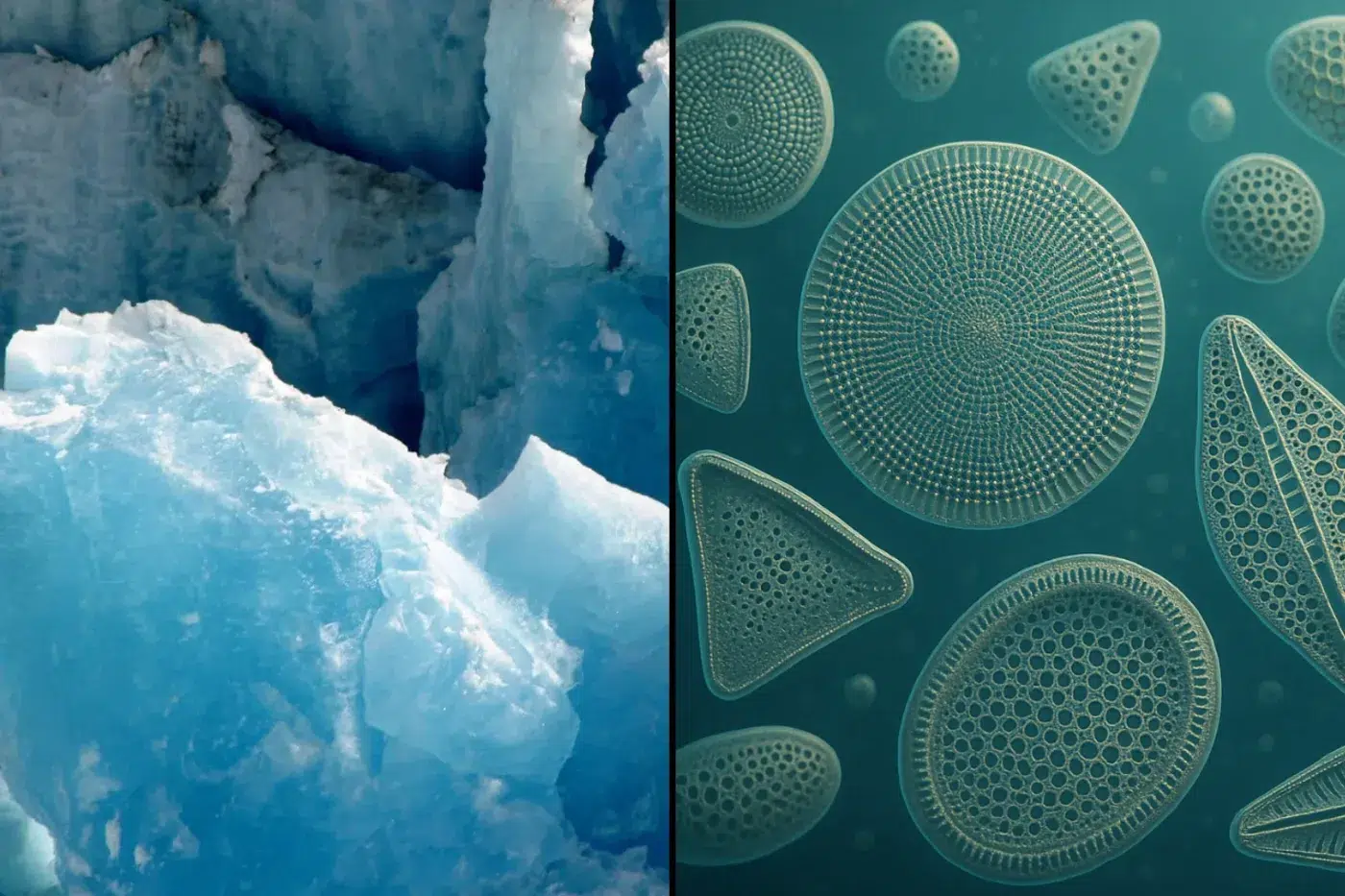
These microalgae have silica cell walls with highly varied geometric shapes, giving them great resistance and facilitating their preservation in sediments. Thanks to this, diatoms are also used in paleoclimatic studies, as their remnants help reconstruct past environmental changes in the polar region.
The ecological role of Arctic diatoms is becoming increasingly relevant in the face of climate change. The retreat of sea ice alters light and nutrient cycles, affecting their distribution and abundance. These changes have an impact on the entire trophic network, jeopardizing the productivity and balance of Arctic ecosystems.



