



A team of engineers from Western University in Ontario, Canada, has developed an experimental electrified house that integrates solar panels, a heat pump, and a thermal battery to achieve a model of net-zero energy consumption.
The goal: reduce emissions, lower costs, and decarbonize the residential sector.
A living laboratory for the energy transition
The house, located in Komoka, west of London, functions as a living laboratory where consumption, efficiency, and savings data are monitored in real-time. The project is led by Professor Joshua Pearce, PhD candidate Shafquat Rana, and Magnus Homes President Jaime Crncich, along with other academics.
“Solar costs are already lower than grid electricity, making this option a viable alternative for most Canadians,” says Pearce.
Preliminary results: savings and efficiency
- 45% reduction in electricity bills
- 55% decrease in carbon emissions
- 60% increase in solar self-consumption thanks to the thermal battery
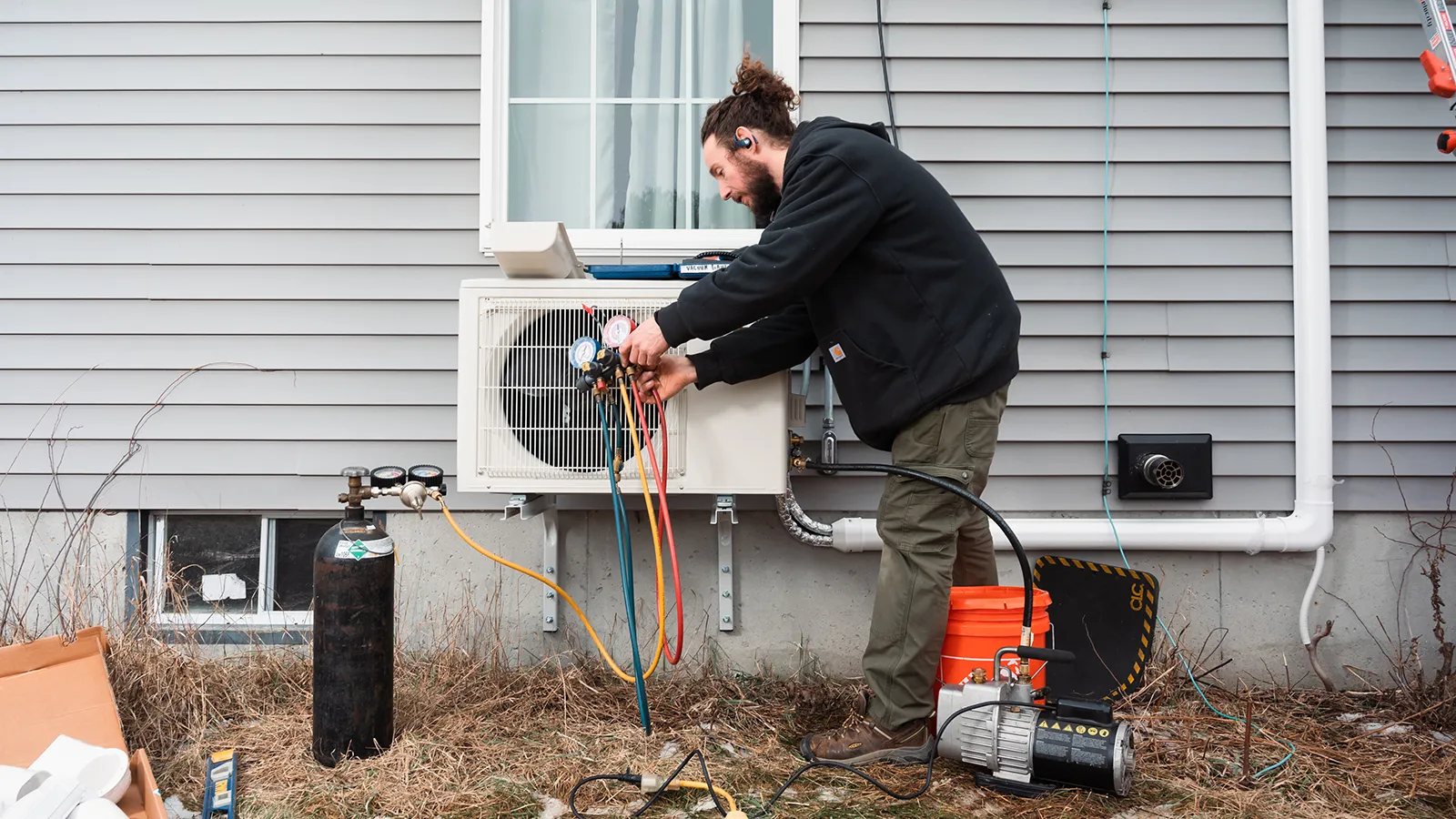
The battery uses phase change materials like salt or wax, which store heat generated by the heat pump for heating and hot water. This system converts each unit of electricity into three units of heat, achieving an efficiency of 300% or more.
Scalable and adaptable design
The system can be installed in existing homes with minimal modifications, making it a scalable and replicable solution. Researchers developed optimal practices to make the house four times more efficient than traditional methods.
“We want to demonstrate its effectiveness over a year and then expand it to other homes in Canada and around the world,” notes Rana.
Comparison with conventional homes
To assess the real impact, Rana is also monitoring a second house built by Crncich, which uses grid electricity and natural gas, without a thermal battery or solar panels.
This comparison allows for validating the performance of the electrified system against conventional models.
Technology serving comfort and climate
The house is equipped with sensors and smart wiring that allow tracking and predicting energy use from a mobile app.
This not only improves comfort but also optimizes consumption and reduces energy waste.
Electrified house: a global opportunity
Home electrification is a key strategy for long-term sustainability. According to Pearce, the use of solar energy combined with heat pumps can transform the residential sector into a driver of efficiency and decarbonization.
“Home decarbonization is a clear opportunity. This system can significantly reduce Canada’s emissions and contribute to the global effort against climate change,” concludes Rana.
This electrified house model demonstrates that it is possible to reduce emissions without sacrificing comfort, and that technological innovation applied to the home can be a powerful tool to advance towards a cleaner, more efficient, and accessible energy future.



