



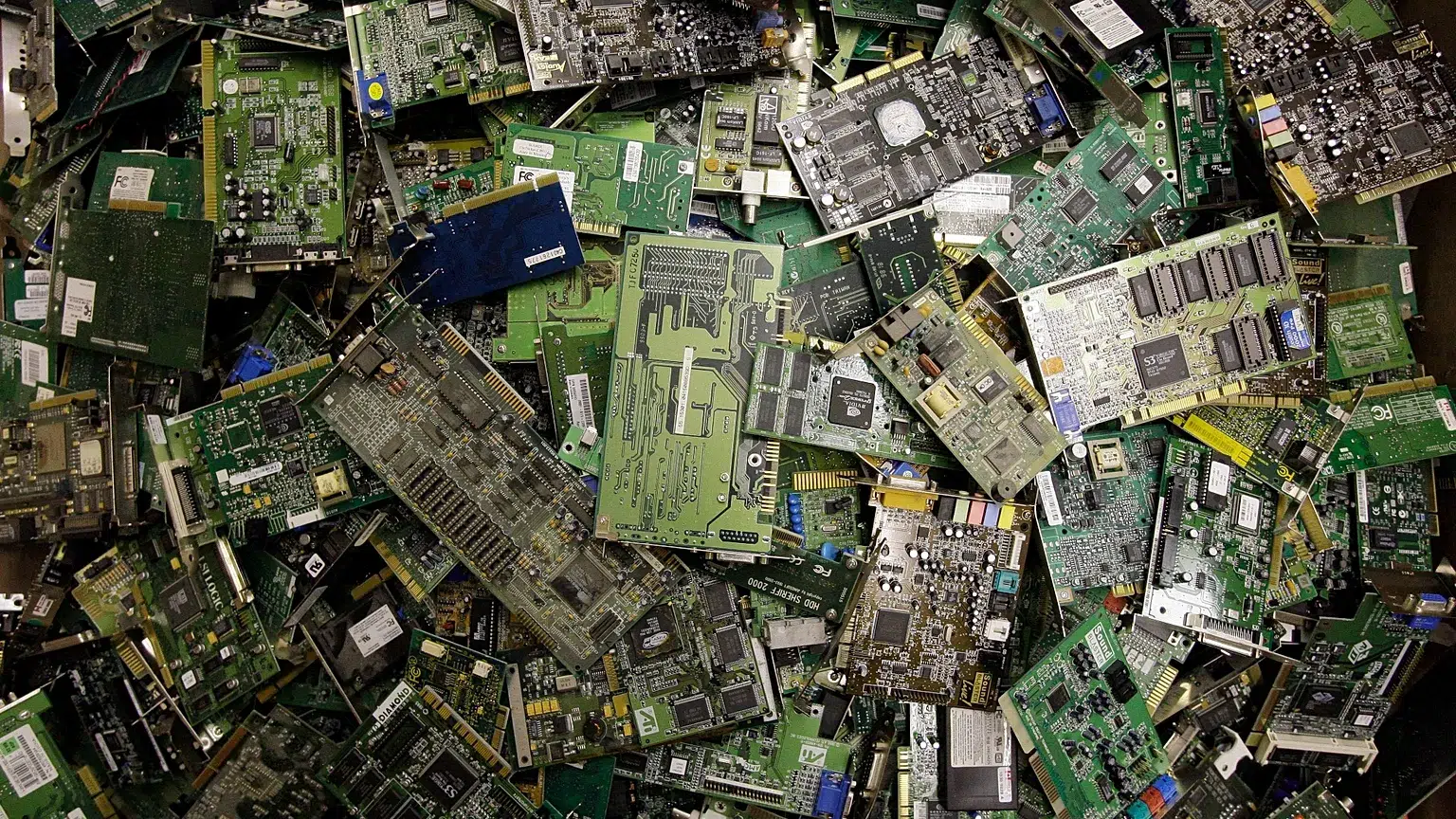
The Ministry of Environment and Energy Security of Italy has given the green light to the INSPIREE project, which will allow the construction in Ceccano of the first European industrial plant dedicated to recycling rare earths from electronic waste (WEEE).
The facility will process up to 2,000 tons of magnets annually and produce between 500 and 700 tons of recycled compounds, such as neodymium, praseodymium, and dysprosium.
This advancement is part of the European Union’s strategy to strengthen its autonomy in the supply of critical materials, essential for the digital industry, automotive, and energy transition.
Technology and Recovery Process
The INSPIREE project is based on two phases:
- Disassembly of magnets: extraction of components from hard drives, electric motors, and electronic devices.
- Hydrometallurgical treatment: recovery of rare earths through chemical processes that generate oxalates, oxides, and carbonates with less environmental impact than traditional mining.
The technology was developed in collaboration with the University of L’Aquila and represents the industrial scaling of a system already tested in a pilot version in Ceccano.
Involved Stakeholders
The value chain includes:
- Itelyum Regeneration: plant headquarters and project coordinator.
- Erion and EIT RawMaterials: industrial consortia providing expertise in WEEE management.
- Cinea and LIFE Programme: fund the initiative with European co-financing of 3.2 million euros for a duration of 42 months.
Expected Impact
- Strategic autonomy: reduces dependence on non-EU suppliers, especially from Asia.
- Energy and digital transition: ensures the supply of critical materials for batteries, electric motors, and renewable technologies.
- Specialized employment: although definitive figures have not yet been released, an impact is expected on technical profiles related to WEEE collection, logistics, and material recovery.
- Sustainability: reduces pressure on ecosystems affected by intensive mining.
European Context
The INSPIREE project is part of the 47 actions selected by the European Commission. This is within the framework of the Critical Raw Materials Act, which seeks to increase the proportion of recycled materials within the Union.
The goal is to reduce vulnerability to external markets and consolidate advanced recycling industrial hubs.
Ceccano as an Innovation Hub
With the commissioning of the plant, Ceccano aims to become one of the European reference centers in rare earth recycling. This positioning strengthens Italy’s role in the continental strategy and opens opportunities for the development of new technologies for the recovery and reuse of critical materials.
The first European industrial plant for recycling rare earths marks a milestone in the circular economy and industrial security of the European Union. By transforming electronic waste into strategic resources, INSPIREE demonstrates that sustainability and innovation can converge to ensure the continent’s energy and digital future.



