



Scientists from Finland have managed to transform forest waste into high-performance adhesive resins, which are stronger than those derived from petroleum.
This development marks a profound change in sectors where composite materials are critical—wind energy, transportation, nautical, or construction—demonstrating that sustainability can go hand in hand with technical excellence.
Biological vs. Fossil Resins
The new formulations of bio-based epoxy and polyester resins, obtained from biomass, match and even surpass their fossil equivalents. Most notably, they use abundant by-products from the forestry and agricultural industries, such as sawdust or straw, which were previously considered waste.
In practical applications:
- Polyester resins remain key in fiberglass structures (boat hulls, caravans, panels).
- Epoxy resins are essential in structural adhesives and high-performance composites (sports equipment, industrial components).
Surprising Technical Results
The tests conducted show remarkable improvements. Doctoral researcher Mikko Salonen highlighted that one of the formulations achieves up to 76% more tensile strength than a commercial fossil polyester resin. This technical leap breaks the prejudice that biological is necessarily inferior.
According to Juha Heiskanen, senior researcher at the University of Oulu, bio-based platform chemicals can be transformed into resins using the same current industrial lines, without the need for massive reconversions or new infrastructures. This facilitates scalability and reduces economic barriers.
Chemical Recyclability
Beyond resistance and price, the most profound change lies in chemical recyclability. Traditional composites, such as those used in wind turbine blades, are notorious for their recycling difficulty.
The new resins allow for chemical decomposition and reuse as raw material, effectively closing the cycle.
Biomass as a Strategic Resource
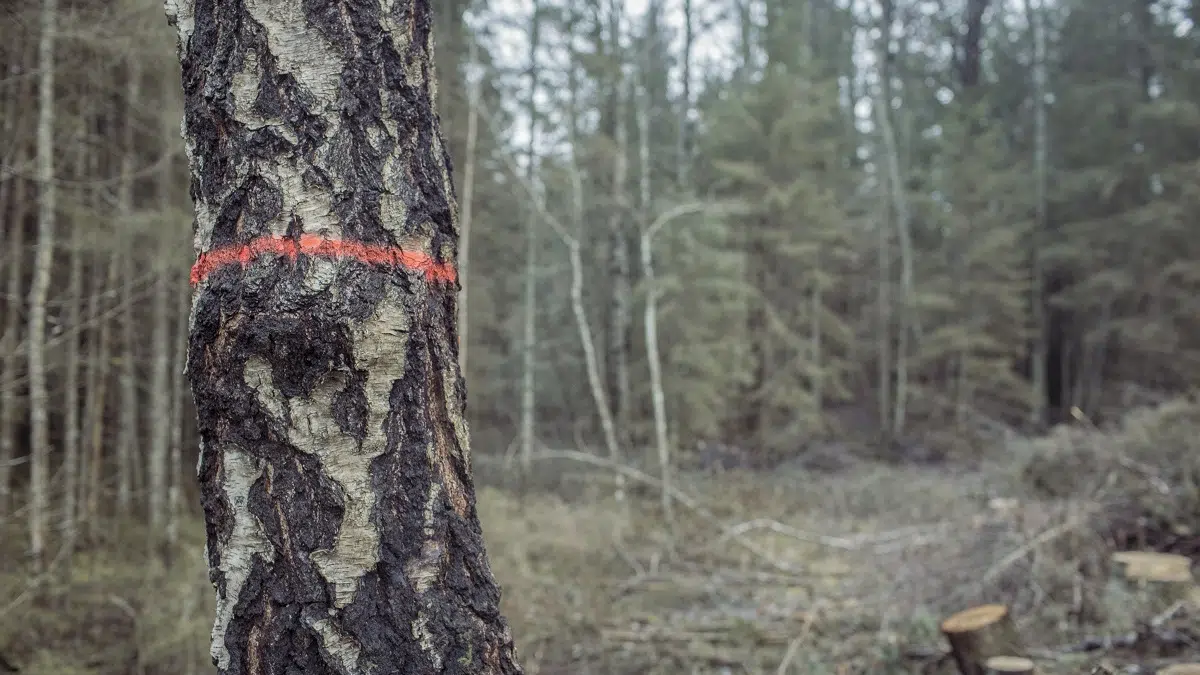
The heart of these resins lies in compounds such as hydroxymethylfurfural (HMF) and furfural, obtained from cellulose and hemicellulose present in lignocellulosic biomass. The raw material is not scarce: large volumes of forestry and agricultural by-products are generated each year, especially in countries with a strong timber sector.
For decades, the forestry industry focused on paper pulp production. Today, new technologies allow for the utilization of previously underutilized fractions, such as lignin, connecting them with chemical industry processes and creating new value chains in the bioeconomy.
Industrial Transfer and Patents
The team led by Heiskanen is already working with a clear vision of industrial transfer:
- Three registered patents.
- Open conversations to move to pilot production.
- Goal to bring the results to factories, ports, and wind farms.
Strategic Impact
The commitment to bio-based materials has an evident strategic reading:
- The European Union possesses less than 2% of the world’s oil reserves.
- Reducing external dependence is key for industrial autonomy.
- Progress is being made towards circular economy and climate goals.
Immediate and Future Applications
- Short term: industrial adhesives, panels, and structural composites.
- Medium term: more easily recyclable wind turbine blades, boats, and lightweight structures with lower environmental impact.
- Long term: full integration into circular economy regulations, accelerating the abandonment of difficult-to-manage fossil materials.
The development of biological resins in Finland demonstrates that innovation can transform forest waste into high-performance materials. This advancement not only opens the door to a more sustainable industry but also strengthens Europe’s energy autonomy and economic resilience.



