



The Chamber of Deputies of Santa Cruz approved the “New Algae Law”, an initiative that establishes a regulatory framework to organize, promote, and regulate the exploitation and industrialization of marine algae on the provincial coast.
The objective is clear: to boost productive development with environmental sustainability criteria, consolidating the province as a reference in the blue economy.
A Boost for Sustainable Production
The enactment of the law was celebrated by sector leaders. Martina Sasso, director of the Por el Mar Foundation, an organization leading the first marine algae cultivation in Argentina, highlighted:
“It is a great boost for projects that seek to generate work from our sea. Today we can produce in Santa Cruz and, at the same time, protect the submerged forests that are a natural heritage for everyone.”
Meanwhile, the Minister of Production, Commerce, and Industry, Nadia Ricci, emphasized:
“This law allows us to organize and enhance an activity with enormous potential for Santa Cruz, taking care of the environment and generating new productive opportunities linked to the sea.”
Biodiversity and Need for Regulation
The approved text recognizes that the Santa Cruz maritime coast is characterized by high levels of marine-coastal biodiversity, with ecosystems that shelter hundreds of species of fauna and flora.
The norm seeks to promote the exploitation and industrialization of algae while protecting its meadows against predatory practices, establishing measures for sustainable management.
Protection of Key Species
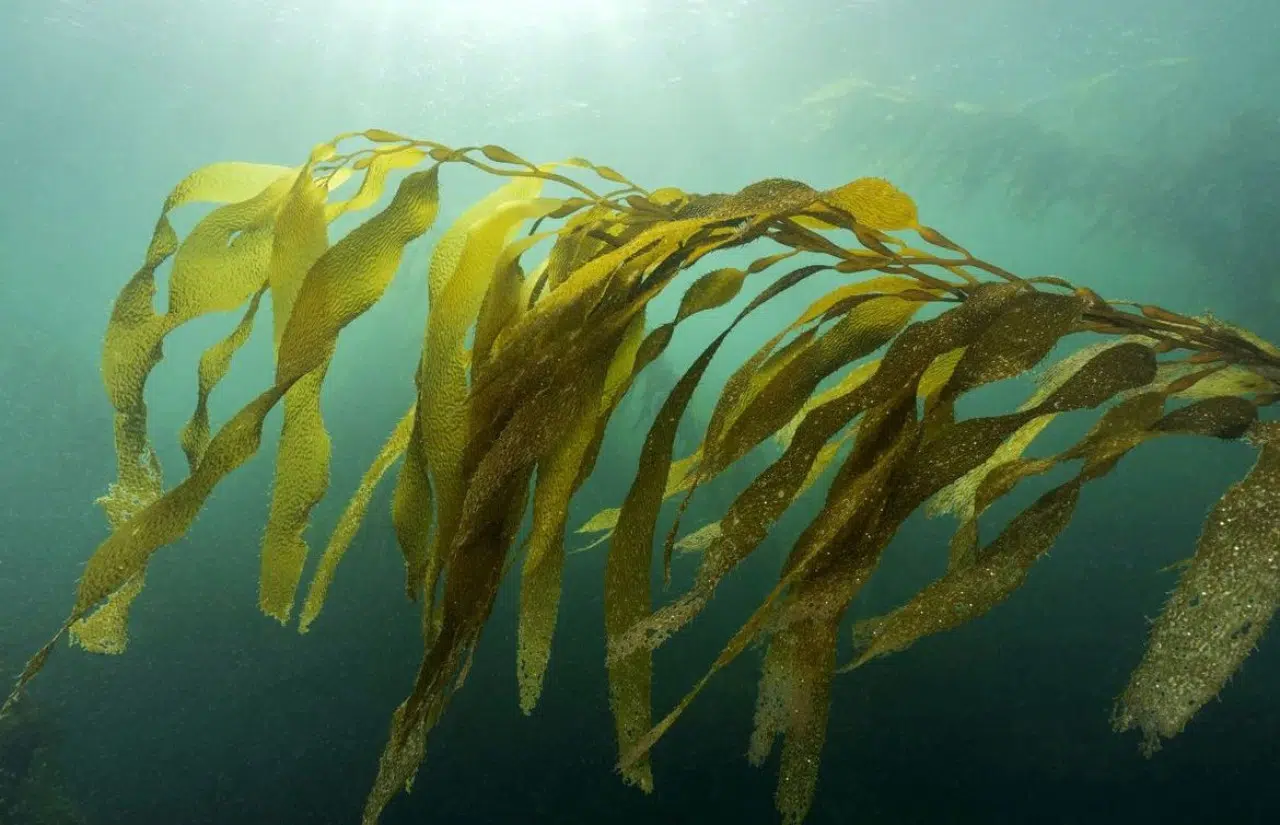
One of the central points of the law is the protection of the species Macrocystis pyrifera, known as kelp forests. The regulation prohibits its harvest by direct cutting, allowing only collection through arribazón (algae that naturally reach the coast).
The deputy Mario Piero Boffi, author of the project, explained:
“The forests of Macrocystis pyrifera play a fundamental role in mitigating climate change, as they naturally retain carbon.”
Management of Invasive Species
The law also contemplates a differentiated treatment for exotic species with invasive behavior, such as Undaria pinnatifida.
The implementing authority may authorize its extraction and industrialization under a special regime, enabling its productive use but with state control to avoid negative impacts.
Implementing Authority and Sanctions
The Ministry of Production, Commerce, and Industry, through the Secretariat of Fisheries and Aquaculture, will be the authority responsible for:
- Granting permits.
- Overseeing the activity.
- Defining permitted collection methods.
The law establishes that all industrialization activities must have enabling permits and provides for a sanction regime for those who fail to comply with the provisions, ensuring a rational exploitation of the resource.
Sustainable Marine Economy
With this approval, Santa Cruz reinforces its commitment to a sustainable marine economy, promoting new productive opportunities linked to algae and consolidating the protection of marine-coastal ecosystems as the basis for long-term development.
The “New Algae Law” marks a milestone in the environmental and productive management of the province, demonstrating that it is possible to generate employment and added value while preserving the natural heritage of the Argentine sea.



